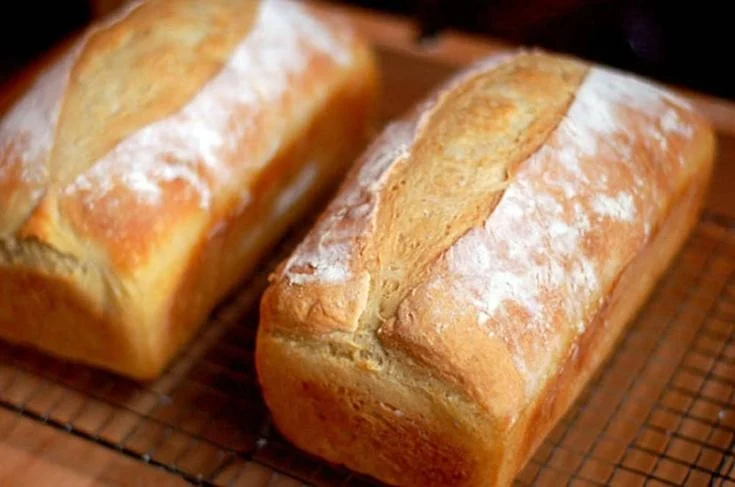
Making bakery-style bread without a stand mixer relies on understanding the core principles of dough development. Yeast fermentation, gluten formation, and proper hydration are key to achieving a soft, airy crumb and a crisp crust. By mastering these fundamentals, you can create artisan-quality bread right in your kitchen.
To make bread by hand, gather high-quality ingredients: bread flour, yeast, salt, sugar, and water. Basic tools include a mixing bowl, a bench scraper, a wooden spoon, and a clean countertop for kneading. Having these essentials ensures a smooth and efficient bread-making process.
48-18 Northern Blvd, Long Island City, NY 11101, USA
3. Step-by-Step Hand Kneading Techniques
Hand-kneading is the cornerstone of no-mixer bread. Follow these steps:
3.1. Mixing Ingredients
Combine flour, yeast, salt, sugar, and water in a large bowl. Stir until a sticky dough forms.
3.2. Initial Kneading
Turn the dough onto a floured surface and use the heel of your hand to push and fold the dough repeatedly. Continue for 8-10 minutes until smooth and elastic.
3.3. Stretch and Fold
Every 30 minutes during proofing, gently stretch and fold the dough to strengthen gluten structure, ensuring a light, airy crumb.
4. Proofing and Shaping Your Dough
Allow the dough to rise in a warm, draft-free environment until doubled in size. After proofing, gently deflate and shape the dough into your desired loaf style. Place it in a greased or parchment-lined baking pan or on a baking stone for artisan-style loaves.
5. Baking Tips for Perfect Bread
Preheat the oven to the correct temperature, usually 375°F–450°F depending on loaf size. Add a pan of water or mist the oven to create steam, which helps develop a crisp crust. Bake until golden brown and hollow-sounding when tapped.
6. Common Mistakes to Avoid
Avoid over-flouring the dough, under-kneading, or skipping proofing stages. These can lead to dense bread or uneven texture. Patience and careful attention to dough consistency are essential for bakery-quality results.
7. Final Tips for Bakery-Style Results
For the best results, use quality ingredients, maintain consistent kneading and proofing times, and practice shaping techniques. With these tips, you can make bakery-style bread without a stand mixer. To explore recommended tools and ingredients for hand-kneaded bread, visit Reliable Damage Hub and elevate your home baking experience with professional-grade resources.
Discover why bakery loyalty programs are becoming more popular and how they benefit customers. Learn how rewards systems, real bakery examples, and membership perks improve savings, experience, and customer satisfaction.
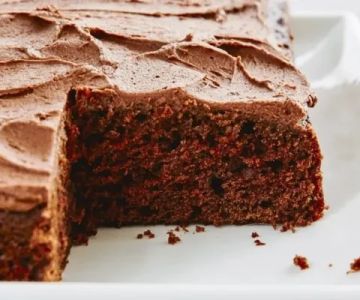
Explore why bakery cakes always taste better than boxed mixes, from ingredient quality to baking techniques and freshness. Learn what makes artisan desserts superior.
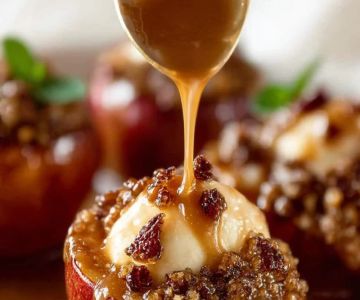
Learn how to make bakery-style baked apples with caramel sauce at home. A warm, comforting dessert recipe with step-by-step tips, real cooking insights, and serving ideas.Bakery-Style Baked Apples with Caramel Sauce Recipe GuideA Warm Bakery Favorite You Can Recreate at Home: Caramel Baked Applesprep-basics-baked-apples-step-setup - Understanding apple selection, oven setup, and baking environmentcaramel-sauce-method-breakdown - How to build a smooth caramel sauce without burning or bitternessbaking-techniques-and-texture-control - How to keep apples tender but not mushyflavor-upgrades-and-variations - Bakery-style upgrades, spices, fillings, and presentation ideasreal-kitchen-story-and-practical-tips - A home cooking experience and what actually makes the differenceThe Comfort Behind Bakery-Style Baked ApplesThere’s a certain kind of dessert that doesn’t try too hard, yet still feels like it came straight out of a bakery window display. How to Make Bakery-Style Baked Apples with a Caramel Sauce is exactly that kind of comfort food—simple ingredients transformed into something warm, aromatic, and deeply nostalgic.In many American bakeries, baked apples are often served during fall and winter, but at home, they become something even more personal. The smell alone—cinnamon, butter, and slow-cooked apples—can turn an ordinary kitchen into something that feels like a small café on a quiet street.Choosing Apples That Actually Hold Their ShapeNot all apples behave the same in the oven. Some collapse into applesauce, while others stay structured and tender. For bakery-style results, texture matters more than anything else.Best apple varieties for bakingFirm apples like Honeycrisp, Granny Smith, and Fuji tend to hold up well under heat. They soften gradually without losing their identity. This is key when aiming for a dessert that still feels like a “real apple,” not just cooked fruit.A small detail that often gets overlooked is size consistency. If apples vary too much, baking time becomes uneven. In a bakery kitchen, this is one of those silent rules that makes the final plate look professional even before tasting it.Preparing the Apples Like a Professional Kitchen WouldBefore baking, the apples need to be carefully cored. The goal is not to cut them in half, but to create a hollow center that can hold caramel, spices, or even chopped nuts.Leaving a thin base at the bottom is important. It prevents the filling from leaking and helps the apple maintain its structure during baking. Many home cooks skip this detail, which is why their baked apples often turn watery or collapse too early.Building a Bakery-Style Caramel SauceCaramel sauce is where this dessert shifts from simple to memorable. A good caramel sauce should be smooth, slightly thick, and rich without being overly bitter.The slow transformation of sugarSugar melts, then darkens, and finally develops depth. The biggest mistake is rushing this process. High heat creates bitterness quickly, while controlled heat builds complexity.Once butter is added, the mixture becomes glossy. Cream then softens everything into a sauce that clings beautifully to baked fruit. This is the stage where many home cooks realize why bakery desserts taste “rounder”—it’s balance, not just sweetness.The Baking Process That Creates the Right TextureOnce filled and drizzled with caramel, apples should be baked slowly. A moderate oven temperature allows the fruit to soften evenly while the caramel seeps into the center.During baking, something interesting happens: the apple releases its natural juices, which mix with caramel and spices. This creates a syrup at the bottom of the dish that is often more flavorful than the topping itself.What to look for during bakingThe skin should wrinkle slightly, and the apple should yield gently when pressed. It should not collapse. That balance is what defines a bakery-style finish rather than a stewed dessert.A Real Kitchen Moment: When Simplicity WinsA home baker once shared a story online about trying to recreate a café-style baked apple dessert for a family gathering. The first attempt was too soft, almost falling apart. The second batch used firmer apples and slower baking time—and suddenly, everything changed.What stood out wasn’t the recipe itself, but the realization that technique mattered more than complexity. That same shift is what turns this dessert from “good enough” into something people remember.Flavor Enhancements That Make It Feel Bakery-MadeProfessional bakeries rarely rely on a single flavor note. Instead, they layer subtle additions that build depth without overpowering the main ingredient.Common enhancementsCinnamon, nutmeg, vanilla bean, and a touch of sea salt all work together to elevate the apple’s natural sweetness. Some kitchens also add crushed pecans or oats inside the cavity for texture contrast.A small drizzle of warm caramel before serving is what visually completes the dish. It gives that glossy finish often seen in bakery displays.Serving Ideas That Feel Like a Café ExperienceServing baked apples warm is essential. Cold caramel loses its flow and texture, while warm caramel enhances aroma and mouthfeel.Some home cooks pair it with vanilla ice cream or whipped cream, creating a temperature contrast that feels intentionally crafted rather than accidental.For those who enjoy exploring more curated dessert inspirations or kitchen essentials that help recreate bakery-style results at home, platforms like Rubi Spanish Table can be a helpful place to discover related ingredients and tools that elevate everyday cooking.Why This Dessert Stays Popular Across SeasonsEven though baked apples are often associated with colder months, their appeal isn’t seasonal. The combination of warm fruit and caramel works year-round because it hits something familiar—comfort without heaviness.It’s also one of those desserts that adapts easily. It can be rustic or refined depending on presentation, which is why it continues appearing in home kitchens and bakery menus alike.Understanding What Makes It Truly “Bakery-Style”The difference is not in ingredients alone, but in control: heat control, timing, and texture awareness. Bakeries rely on repetition and precision, while home kitchens rely on intuition.When those two approaches meet, the result is a dessert that feels both professional and personal. That’s what makes How to Make Bakery-Style Baked Apples with a Caramel Sauce more than just a recipe—it becomes a technique worth repeating and refining over time.
Discover the best bakery breads for making French toast, including brioche, challah, and sourdough. Learn how each bread transforms your breakfast and where to find the perfect loaf.The Best Bakery Breads for Making French Toast at HomeWhy the Right Bread Can Completely Transform Your French Toast Morningbread-selection-basics - what makes a loaf ideal for French toastbakery-favorites - the most popular bread choices for rich flavortexture-science - how structure changes taste and soak qualityreal-breakfast-stories - everyday cooking experiences that shape choicesbuying-and-baking-tips - how to pick the perfect bakery loafThe Hidden Secret Behind Great French Toast Starts with BreadMost people assume French toast is all about eggs, milk, and cinnamon. In reality, the real foundation is the bread itself. Choosing the best bakery breads for French toast determines whether your breakfast turns out soggy, dry, or perfectly custardy.A good loaf acts like a sponge—but not the kind that falls apart instantly. It should absorb the egg mixture while still holding structure, creating that soft center with lightly crisp edges that makes French toast unforgettable.Over the years, home cooks and professional chefs alike have realized that switching bread types can completely redefine a breakfast table without changing a single ingredient in the batter.Brioche: The Rich, Buttery Classic That Never FailsWhy Brioche Dominates French Toast RecipesWhen people talk about brioche French toast, they are usually referring to the gold standard of indulgence. Brioche is rich with butter and eggs, which means it naturally complements custard mixtures without becoming soggy.One home cook once described using brioche as “cheating in the best way possible” because even a simple recipe suddenly tastes like something from a brunch café.Texture and Absorption BehaviorBrioche absorbs liquid evenly due to its soft crumb structure. It doesn’t collapse under moisture, which makes it ideal for thick slices cooked on a griddle until golden brown.Challah: The Balanced Option for Everyday Breakfast LoversA Slightly Firmer Yet Soft AlternativeAmong French toast bread types, challah sits comfortably between richness and structure. It is slightly less buttery than brioche but still tender enough to soak custard beautifully.Many families prefer challah for weekend breakfasts because it delivers consistency without overwhelming sweetness.A Family Story from a Sunday KitchenA mother in Chicago once shared how challah became her household’s tradition. Every Sunday, she used day-old challah slices, turning them into French toast while her kids argued over toppings—berries, syrup, or powdered sugar.That routine became less about cooking and more about creating a weekly ritual around food.Sourdough: The Unexpected Gourmet ChoiceWhy Tangy Bread Works Surprisingly WellAt first glance, sourdough might not seem like a natural fit for French toast. However, its slight tang creates a contrast against sweet toppings, making it one of the most interesting artisan bread for French toast options.The firmer crust also adds a slight crunch that contrasts beautifully with the soft interior.When Sourdough Becomes the Star of the PlateA café in San Francisco once went viral for serving sourdough French toast topped with citrus syrup and sea salt flakes. Customers described it as “unexpected but unforgettable,” proving that unconventional choices often lead to standout dishes.Why Bakery Bread Matters More Than Grocery BreadFreshness and Structural IntegrityBakery loaves are typically less processed, meaning they retain better texture for soaking. This makes thick cut bread French toast far more effective when using fresh bakery sources.Pre-sliced supermarket bread often breaks down too quickly, leading to uneven cooking and soggy centers.Flavor Depth You Can Actually TasteArtisan bakeries often use fermentation techniques that add complexity to flavor. Even subtle notes of nuttiness or sweetness can elevate a simple French toast dish.Real Kitchen Mistake That Changed EverythingA home cook once accidentally used stale bakery baguette instead of soft sandwich bread. Expecting disaster, they were surprised when the result turned out crisp on the outside and custardy inside.That mistake led them to experiment with different textures, eventually discovering that slightly stale bakery bread often performs better than fresh slices for soaking mixtures evenly.How to Choose the Right Loaf at a BakeryLook for Structure, Not Just SoftnessThe best bread for French toast is not necessarily the softest. It should have enough density to hold liquid without disintegrating.Day-Old Bread AdvantageSlightly aged bread often performs better because moisture levels are reduced, allowing the custard to penetrate evenly.Thickness Matters More Than You ThinkSlices around one inch thick usually deliver the most balanced texture, especially when using rich breads like brioche or challah.Where Quality Bakery Bread Makes the DifferenceFinding reliable bakery sources is just as important as choosing the bread type. Many home cooks turn to curated bakery platforms like bakery guides and specialty food marketplaces to discover high-quality loaves tailored for breakfast recipes.When exploring options for the best bakery breads for French toast, paying attention to ingredients, baking methods, and freshness can elevate your entire cooking experience.Bringing It All Together on Your Breakfast TableFrench toast is one of those dishes that feels simple until you realize how much detail matters. From brioche’s richness to sourdough’s tang, each bread tells a different story on the plate.The next time you plan a slow weekend breakfast, think beyond the recipe and start with the loaf itself. The right choice can completely redefine the experience.If you’re ready to explore more curated bakery selections and discover premium loaves that elevate your cooking, take a closer look at specialty bakery collections designed for home chefs who care about flavor, texture, and experience.
Discover The Secret Ingredients That Make Bakery Cakes So Irresistible, from texture science to flavor enhancers and professional baking techniques that create unforgettable cakes.
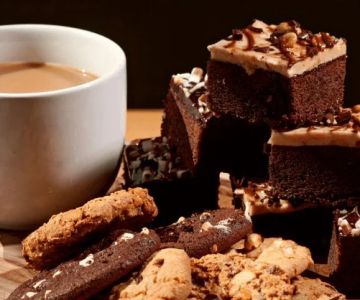
Learn the best bakery items to pair with coffee or tea, including croissants, muffins, and scones, with practical pairing insights and flavor harmony tips for everyday enjoyment.Best Bakery Items to Pair with Your Favorite Coffee or Tea for a More Enjoyable Daily Ritualcroissant-coffee-pairing-guide - understanding buttery pastries with espressomuffins-tea-snack-combinations - balancing sweetness with light beveragesscones-classic-tea-pairings - traditional combinations for afternoon teadanish-pastries-flavor-experience - fruity fillings and aromatic drinksbakery-lifestyle-coffee-culture - how small food choices enhance daily ritualsWhy Bakery Pairings Matter More Than Most People RealizeCoffee and tea are not just beverages in American daily life—they are routines, emotional anchors, and often small personal rituals that set the tone for the day. But what many people overlook is how much a simple bakery item can elevate that experience. The texture of a warm pastry, the sweetness of a muffin, or the subtle crunch of a fresh croissant can completely transform how flavors are perceived.When people talk about the Best Bakery Items to Pair with Your Favorite Coffee or Tea, they are often really talking about balance. A strong espresso needs something buttery or slightly sweet to soften its intensity. A delicate green tea benefits from a light pastry that doesn’t overpower its herbal notes. This balance is what turns a simple snack into a memorable moment.Croissants and Coffee: A Classic Combination That Never FailsButter, Aroma, and Espresso DepthA croissant paired with coffee is one of those combinations that feels almost universal. The flaky layers of a croissant absorb just enough coffee aroma to enhance its buttery richness. At the same time, the bitterness of espresso cuts through the pastry’s richness, creating a balanced flavor profile.In a small café in Boston, a barista once shared how regular customers instinctively order croissants with dark roast coffee—not because of a trend, but because the pairing simply “feels right.” That kind of natural alignment is what makes this combination timeless.Best Coffee Types for CroissantsDark roast espresso, cappuccino, and even flat white all work exceptionally well. The milk-based drinks soften the pastry’s richness, while espresso highlights its crisp layers.Muffins and Tea: A Gentle Morning ComfortSweetness Balanced by Warm Herbal NotesMuffins are often underestimated in pairing culture. Blueberry, banana, or chocolate chip muffins each bring different levels of sweetness and moisture. When paired with tea, especially black tea or chamomile, they create a soft and comforting experience.One bakery owner in Portland shared a story of a customer who visited every morning for years, always choosing a blueberry muffin with Earl Grey tea. She described it as her “quiet reset before work,” showing how emotional these pairings can become.Tea Types That Work Best with MuffinsBlack tea enhances sweetness, green tea adds freshness, and herbal tea balances heavier muffins. Each combination changes the experience slightly, making it feel new even if the food remains the same.Scones and Traditional Tea CultureDry Texture Meets Creamy AdditionsScones are closely tied to traditional tea culture, especially in British-inspired cafés across the United States. Their slightly dry texture makes them perfect for pairing with clotted cream, jam, and a warm cup of tea.This is where tea pairing becomes more layered. The scone is not just eaten—it is built, piece by piece, with spreads and sips of tea in between. It becomes an experience rather than a snack.Ideal Tea Choices for SconesAssam, Darjeeling, and English Breakfast teas are commonly used. Their boldness complements the richness of the scone and its toppings.Danish Pastries and Fruit-Infused Flavor ExperiencesSweet, Tangy, and Aromatic BalanceDanish pastries often include fruit fillings like apple, raspberry, or cherry. These flavors introduce acidity and sweetness that pair beautifully with both coffee and tea.A café in New York once went viral for its raspberry Danish paired with cold brew coffee. Customers described the combination as “unexpectedly refreshing,” proving that modern pairings can be just as exciting as traditional ones.Best Beverage MatchesCold brew coffee enhances fruit acidity, while jasmine or green tea highlights floral notes in the pastry.How Flavor Psychology Shapes Bakery Pairing ChoicesWhy Texture Matters as Much as TasteThe human brain processes texture and flavor together. A soft muffin paired with warm tea creates comfort signals, while a crispy pastry with strong coffee creates stimulation. This is why bakery pairing feels emotionally satisfying beyond just taste.Even the sound of biting into a flaky pastry can influence perception. It’s not just food—it’s sensory layering.Emotional Memory and Daily RitualsMany people associate bakery pairings with specific memories: morning routines, weekend café visits, or travel experiences. These emotional connections are what make the Best Bakery Items to Pair with Your Favorite Coffee or Tea such a personal topic.Simple Home Experiment for Better Pairing UnderstandingA practical way to explore bakery pairings is to experiment at home. Choose one beverage and try it with different bakery items on separate days. Notice how flavor perception changes. A plain croissant might feel richer on one day and lighter on another depending on mood and brewing strength.This method helps build awareness of how subtle differences affect enjoyment. It also helps refine personal preferences rather than relying solely on café recommendations.How Cafés Build Their Signature Pairing MenusMany successful cafés design their menus based on pairing psychology. Instead of randomly offering pastries, they carefully select items that complement their drink selection. This is where businesses like Camping With Kayla style lifestyle cafés (as an inspiration model for curated experiences) often succeed—they focus on emotional and sensory alignment rather than simple product lists.A well-designed menu encourages customers to try combinations they may not have considered before, increasing satisfaction and return visits.Why Small Pairing Choices Create Big Daily ImprovementsSomething as simple as choosing the right pastry for your coffee or tea can change the tone of your morning. It’s not about luxury or complexity—it’s about intentional enjoyment. A good pairing slows you down just enough to appreciate flavor, texture, and routine.Over time, these small habits become grounding moments in a busy lifestyle. They don’t require effort, but they add meaning to everyday routines.Bringing Better Bakery Pairings Into Everyday LifeThe next time you reach for coffee or tea, consider what bakery item might complete the experience. Whether it’s a buttery croissant, a soft muffin, or a traditional scone, each choice shapes your moment differently.Exploring the Best Bakery Items to Pair with Your Favorite Coffee or Tea is not just about food—it’s about creating small, enjoyable rituals that make daily life feel more intentional and satisfying. For more curated pairing ideas, seasonal bakery guides, and lifestyle inspiration, exploring specialty bakery collections can help you discover combinations you may never have tried before.





 Nagoya Bakery4.0 (25 reviews)
 The Quantum Baker0.0 (0 reviews)
 Valerio's Tropical Bake Shop4.0 (43 reviews)
 Manny's Bakeshop & Restaurant4.0 (19 reviews)
 Nanding's Bakery4.0 (368 reviews)
 Aloha Sunrise Granola5.0 (5 reviews)
 Bakery Celebration Cake Pickup: Size, Travel, and Timing
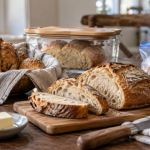 Bakery Bread Storage: Crust, Moisture, and Freezing Guide
 Bakery Reservation Notes: Time, Party, Access, and Contact
 Bakery Menu Portion Chec: A Heavenly Delights Bakery Reader Guide
 Bakery Service Charge Check: Bill, Tips, and Group Split
 Bakery Texture Guide: A Practical US Checklist