
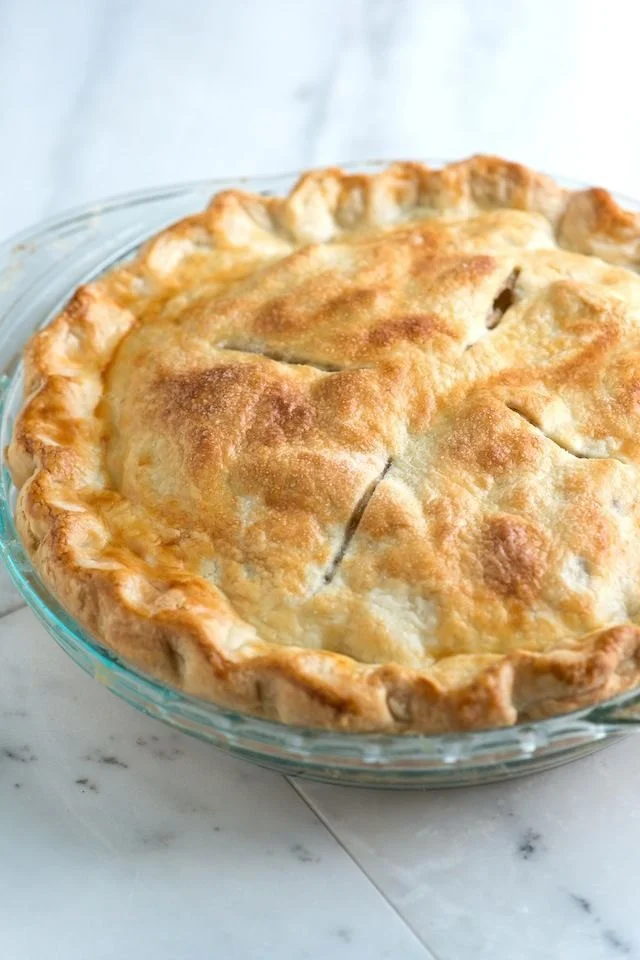
1. The Importance of a Flaky Pie Crust
A flaky pie crust is the hallmark of a perfect pie, whether it's for sweet pies like apple and cherry, or savory ones like chicken pot pie. The crisp, delicate layers of a well-made crust not only enhance the taste but also provide a pleasing texture that complements the filling. This article will walk you through the steps to ensure that you can consistently make flaky pie crusts at home, every time.

Julius Sturgis Pretzel Bakery / pretzel factory lititz pa
LititzLancaster CountyPennsylvania
219 E Main St, Lititz, PA 17543, USA
2. Understanding the Key Elements of a Flaky Pie Crust
Before diving into the recipe, it’s important to understand what makes a pie crust flaky. The key to achieving that coveted texture lies in how you combine the ingredients, handle the dough, and bake the crust. These are the primary factors that contribute to flakiness:
- Butter and Shortening: The combination of cold butter and shortening helps create the layers that lead to a flaky texture.
- Cold Ingredients: Keeping your ingredients cold ensures that the fat remains solid until baking, which is essential for flakiness.
- Minimal Handling: Overworking the dough can lead to a tough crust. Gently mixing and handling is key to maintaining tenderness and flakiness.
3. Step-by-Step Guide to Making Flaky Pie Crusts
3.1. Gather Your Ingredients
To make the perfect flaky pie crust, you’ll need the following ingredients:
- 2 1/2 cups all-purpose flour
- 1 cup unsalted butter (cold and cut into small cubes)
- 1/4 cup shortening (cold)
- 1/4 cup ice water
- 1/2 teaspoon salt
3.2. Mix the Dry Ingredients
Start by combining the flour and salt in a large mixing bowl. This step ensures that the salt is evenly distributed throughout the flour, which is essential for flavor.

L’Ami Bakery & Cafe / bakery in h mart
48-18 Northern Blvd, Long Island City, NY 11101, USA
3.3. Cut the Fat into the Flour
Add the cold butter and shortening to the flour mixture. Using a pastry cutter, fork, or your fingers, cut the fat into the flour until the mixture resembles coarse crumbs with pea-sized pieces of fat. These chunks of fat will melt during baking and create the flaky texture you desire.
3.4. Add Ice Water Gradually
Slowly add ice water, a tablespoon at a time, mixing until the dough just comes together. Be careful not to overwork the dough. It should be slightly crumbly but able to hold its shape when pressed together.
3.5. Chill the Dough
Once the dough has come together, shape it into a disk, wrap it in plastic wrap, and chill it in the refrigerator for at least 30 minutes. This resting time allows the fat to re-solidify and relaxes the gluten, ensuring that your pie crust remains tender.
4. Rolling Out the Dough for Perfect Flakiness
Rolling out the dough is where many bakers go wrong. To maintain the flakiness of the crust, be sure to follow these tips:
- Roll the dough on a lightly floured surface, using even pressure to avoid compressing the dough.
- Start from the center of the dough and roll outward, turning the dough a quarter turn every few rolls to ensure even thickness.
- If the dough becomes too soft or sticky, chill it again for a few minutes before continuing to roll.
5. Common Mistakes to Avoid When Making Pie Crust
Even experienced bakers can make mistakes when making pie crust. Here are a few common pitfalls to avoid:
- Using warm ingredients: Always make sure your butter, shortening, and even your water are cold. Warm ingredients will lead to a tough crust.
- Overmixing the dough: It’s tempting to mix the dough until it's smooth, but this will result in a dense crust. The less you handle the dough, the better.
- Not chilling the dough: Chilling the dough is critical. It helps to prevent shrinkage and promotes flakiness.
6. Tips for Pre-Baking Your Pie Crust
If you're making a pie that requires a pre-baked crust (like cream pies), here are some tips to ensure it turns out perfectly:
- Line the crust with parchment paper and fill it with pie weights or dried beans to prevent it from puffing up during baking.
- Bake at 375°F for about 15 minutes, then remove the weights and parchment paper and bake for an additional 5-10 minutes until golden brown.
7. Real-Life Example: A Success Story
One of our readers, Emily, shared her experience of making her first perfectly flaky pie crust. She had always struggled with tough crusts, but after following these tips, she was able to make a pie crust that was both tender and flaky. She even received compliments from her guests, making her feel more confident in the kitchen!
8. Conclusion
Making a perfectly flaky pie crust is not as difficult as it may seem. With the right techniques, ingredients, and a little patience, you can create a pie crust that’s worthy of any pie filling. If you’re looking for premium pie baking products or services, be sure to visit Heavenly Delights Bakery for expert recommendations on everything from baking tools to ingredients!

 Nagoya Bakery4.0 (25 reviews)
 The Quantum Baker0.0 (0 reviews)
 Valerio's Tropical Bake Shop4.0 (43 reviews)
 Manny's Bakeshop & Restaurant4.0 (19 reviews)
 Nanding's Bakery4.0 (368 reviews)
 Aloha Sunrise Granola5.0 (5 reviews)
 Bakery Celebration Cake Pickup: Size, Travel, and Timing
 Bakery Bread Storage: Crust, Moisture, and Freezing Guide
 Bakery Reservation Notes: Time, Party, Access, and Contact
 Bakery Menu Portion Chec: A Heavenly Delights Bakery Reader Guide
 Bakery Service Charge Check: Bill, Tips, and Group Split
 Bakery Texture Guide: A Practical US Checklist