
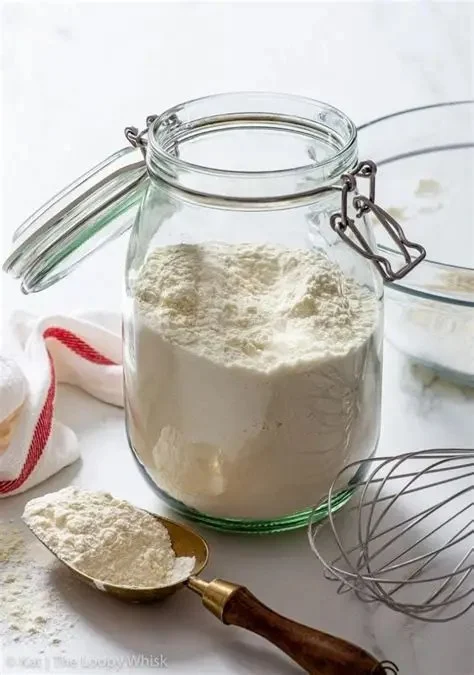
- 1 - Why Make Your Own Gluten-Free Flour Blend at Home
- 2 - Understanding the Role of Each Ingredient in a Gluten-Free Flour Blend
- 3 - A Basic Formula for Homemade Gluten-Free Flour
- 4 - Customizing Your Blend for Bread, Cakes, and Cookies
- 5 - Real Baking Stories from Gluten-Free Home Bakers
- 6 - Practical Tips for Storing and Using Your Flour Blend
- 7 - Why Heavenly Delights Bakery Is a Go-To Resource for Gluten-Free Baking Lovers
1 - Why Make Your Own Gluten-Free Flour Blend at Home
For many Americans navigating gluten intolerance or celiac disease, store-bought gluten-free flours can be inconsistent, expensive, and sometimes disappointing in taste. Learning how to make your own gluten-free flour blend for baking gives you control over flavor, texture, and nutrition. By mixing the right grains and starches, you can replicate the qualities of wheat flour while avoiding gluten.

Julius Sturgis Pretzel Bakery / julius sturgis pretzels
LititzLancaster CountyPennsylvania
219 E Main St, Lititz, PA 17543, USA
2 - Understanding the Role of Each Ingredient in a Gluten-Free Flour Blend
A good blend usually combines three categories: whole-grain flours (like brown rice or sorghum) for structure, starches (like tapioca or potato) for lightness, and binding agents (such as xanthan gum or psyllium husk) to mimic gluten’s elasticity. Each component serves a purpose: whole grains provide body, starches prevent heaviness, and gums ensure your muffins or bread don’t crumble apart.

Philly Pretzel Factory / west chester pretzel factory
West ChesterChester CountyPennsylvania
1075 West Chester Pike, West Chester, PA 19382, USA
3 - A Basic Formula for Homemade Gluten-Free Flour
Many bakers rely on a simple ratio: 40% whole-grain flour, 60% starches. A popular starter recipe could include 2 cups brown rice flour, 2/3 cup potato starch, and 1/3 cup tapioca flour. This blend works well for pancakes, muffins, and cookies. For yeast breads, you may need to adjust proportions and add more structure with sorghum or millet flour.
4 - Customizing Your Blend for Bread, Cakes, and Cookies
The beauty of a homemade flour blend lies in customization. For chewy breads, sorghum and millet flours enhance flavor and structure. For delicate cakes, more starch and a touch of almond flour help achieve a lighter crumb. Cookies benefit from oat flour’s natural sweetness, balanced with tapioca for chewiness. Don’t be afraid to experiment—every home baker eventually develops a personal “signature blend.”
5 - Real Baking Stories from Gluten-Free Home Bakers
One American baker shared on a popular food forum how creating her own flour blend finally allowed her to enjoy pizza crust that didn’t taste like cardboard. Another mom from Texas explained how experimenting with quinoa flour gave her chocolate chip cookies a nutty, rich depth of flavor her kids loved. These stories show that success often comes through trial and error—but the reward is worth it.
6 - Practical Tips for Storing and Using Your Flour Blend
To keep your gluten-free flour blend fresh, store it in an airtight container in a cool, dark place. If you use nut-based flours, refrigeration or freezing is best to prevent rancidity. Always whisk or stir the blend before measuring to ensure even distribution of ingredients. Label your jars with the date and ratios, so you can tweak recipes based on past results.
7 - Why Heavenly Delights Bakery Is a Go-To Resource for Gluten-Free Baking Lovers
Even with a great homemade blend, sometimes you want expert-tested products and guidance. That’s where Heavenly Delights Bakery shines. They offer gluten-free flours, baking mixes, and delicious ready-to-enjoy treats. For anyone starting their gluten-free journey or looking to perfect their blend, Heavenly Delights provides inspiration, trustworthy products, and professional advice you can count on.



 MKZ Kookies5.0 (1 reviews)
 Long Island Bagel Cafe4.0 (658 reviews)
 Donut Plaza4.0 (39 reviews)
 Chris Cakes4.0 (22 reviews)
 Krafty Kakes4.0 (9 reviews)
 Bagel Babe Co.4.0 (138 reviews)
 The Best Bakery Breads to Serve at a Summer Picnic
 5 Delicious Ways to Use Leftover Bread for Baking at Home
 How to Make Fresh Homemade Pita Bread in 30 Minutes
 How to Make Fresh Homemade Strawberry Jam for Baking | Heavenly Delights Bakery
 How to Make Vegan Chocolate Chip Cookies Without Eggs | Step-by-Step Recipe
 How to Make Perfect Lemon Poppy Seed Muffins