
- why-choose-alternative-flours-in-your-baking
- understanding-the-character-of-each-healthy-flour
- how-to-combine-flours-for-balance-and-nutrition
- case-study-when-baking-became-better-at-home
- why-heavenly-delights-bakery-can-help-you-succeed
1. Why Choose Alternative Flours in Your Baking?
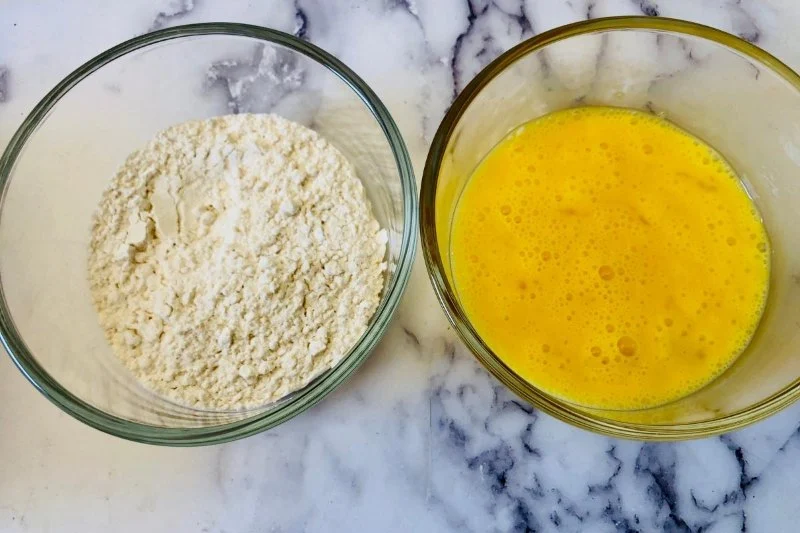
As more people seek healthier lifestyles, home bakers across the U.S. are shifting away from traditional all-purpose flour and turning to alternative flours to create baked goods that are not just delicious but also nourishing. Whether you’re gluten-sensitive, watching your blood sugar, or simply curious about better ingredients, using different flours in your baking opens up a world of flavor and nutrition.
Many flours made from nuts, seeds, and whole grains bring added fiber, protein, or essential vitamins. The best part? You don’t have to sacrifice taste or texture—just know how to use them correctly.

Savoia Pastry Shoppe / savoias pastry shop
RochesterMonroe CountyNew York
2267 Clifford Ave, Rochester, NY 14609, USA
2. Understanding the Character of Each Healthy Flour
2.1 Almond Flour: A Low-Carb Favorite
Almond flour has a subtly sweet, nutty taste and works beautifully in cookies, cakes, and even muffins. It's gluten-free and packed with Vitamin E, magnesium, and healthy fats. However, it lacks gluten structure, so it’s often paired with eggs or binding agents to help hold baked items together.

Black Rose European Bakery / black rose bakery menu
WestboroughWorcester CountyMassachusetts
232 Turnpike Rd, Westborough, MA 01581, USA
2.2 Coconut Flour: Fiber-Rich but Tricky
Coconut flour is extremely absorbent—using too much can make your treat dry and crumbly. Typically, you’ll only use 1/4 to 1/3 the amount of coconut flour compared to regular flour. It's perfect in pancakes and brownies, adding a mild tropical flavor and a significant fiber boost.
2.3 Oat Flour: A Soft Whole-Grain Option
Made by grinding whole oats, oat flour is gentle in taste and texture, making it great for muffins, bars, and breakfast bakes. It contains beta-glucan, which helps lower cholesterol. For gluten-free needs, make sure to buy certified gluten-free oats.
2.4 Whole Wheat Flour: The Classic Upgrade
If you're not ready to go fully alternative, start by substituting part of your white flour with whole wheat flour. It adds a hearty texture and brings fiber and nutrients. Try it in banana bread, chocolate chip cookies, or sandwich loaves.
2.5 Buckwheat, Chickpea, and Beyond
Other options like buckwheat (great for crepes and quick breads), chickpea flour (savory crackers or flatbreads), and spelt (a nutty ancient grain) add not only variety but also cultural roots and authenticity to your baking. The trick is matching the flour to the recipe and adjusting for moisture and structure accordingly.
3. How to Combine Flours for Balance and Nutrition
3.1 The Art of Blending
Rarely does one alternative flour do the job of traditional white flour alone. Blending is key. For example, using oat flour with almond flour can give softness and stability. Coconut flour, when used in small amounts, can add body when mixed with other flours.
3.2 Replacing with Precision
Start small: replace 25–30% of your white flour with a healthier alternative. Then adjust based on the results. Moisture may need tweaking, or bake time may shift. Always note how the dough feels and how your product bakes. With each batch, you’ll gain confidence in how different flours behave.
3.3 Nutrition That Tastes Like Comfort
Healthy doesn’t have to mean “health food.” Think chewy peanut butter cookies made with almond flour, or soft carrot muffins enriched with oat and whole wheat flour. By understanding texture and structure, your baked goods can taste just like grandma’s—but better for you.
4. Case Study: When Baking Became Better at Home
When Lisa, a Chicago-based mom of three, discovered her son had mild gluten intolerance, she didn’t want to give up the family’s weekend baking tradition. She started experimenting with oat and almond flour in her go-to recipes from chocolate chip cookies to banana muffins. It took some trial and error, but soon, she mastered a banana bread that the entire family loved—and her son could enjoy without discomfort. “We don’t even miss the old version,” she says. “It feels like a healthier treat, not a compromise.”
5. Why Heavenly Delights Bakery Can Help You Succeed
If you’re new to using different flours in your baking, or just want to try products that already use high-quality alternatives, Heavenly Delights Bakery is your perfect starting point. With an entire line of thoughtfully crafted treats made from almond, oat, and whole wheat flours, you can taste how better ingredients make better baked goods. Plus, their website includes educational tips and flour guides for home bakers who want to recreate the magic at home.
Whether you’re baking for health, taste, or a bit of both—knowing how to use different flours empowers you to create better, more meaningful treats. Your oven is your canvas. Let the flour be your brush.




 Nothing Bundt Cakes4.0 (79 reviews)
 Gold Crust Baking Co Inc4.0 (36 reviews)
 Twisted Sugar4.0 (32 reviews)
 Jirehs Bakery Llc4.0 (33 reviews)
 CupKates Bakery4.0 (61 reviews)
 Village Bagel Company4.0 (497 reviews)
 How to Make Fluffy, Homemade English Muffins: Step-by-Step Guide
 How to Make the Best Flaky Croissant Dough from Scratch – Step-by-Step Guide
 Top 5 Reasons Why You Should Support Local Bakeries
 How to Make Fresh Homemade Pecan Caramel Clusters
 The Best Baking Recipes for Busy Weekends: Quick and Delicious Ideas
 How to Make Bakery-Style Lemon Pound Cake from Scratch: A Step-by-Step Guide