
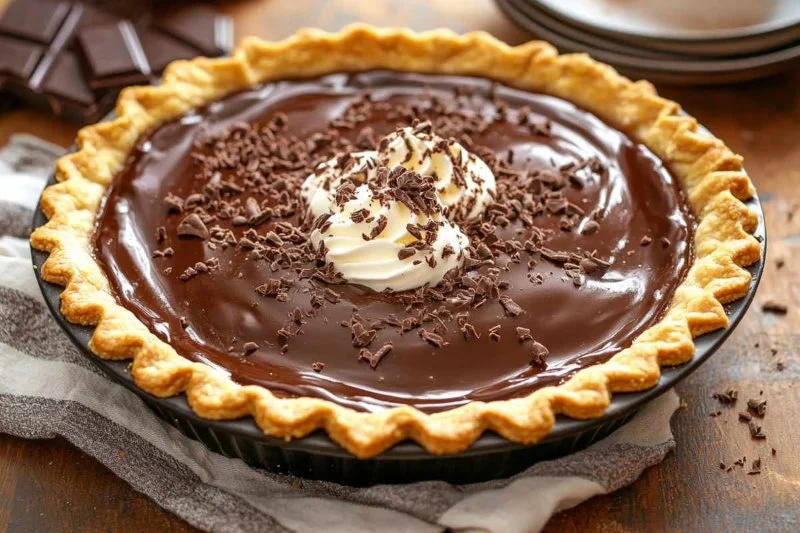
The Everyday Baker’s Path to a Flawless Homemade Pie Worth Sharing
- pie-crust-foundation - mastering dough texture, butter balance, and structure
- filling-flavor-development - choosing fruits, sugars, and thickening methods
- baking-temperature-control - how heat shapes crust color and texture
- real-bakery-stories - lessons from bakeries and home baking experiences
- beginner-mistakes-solutions - fixing common pie baking problems
Why Learning Pie Baking Feels Like Learning a Small Art Form
There is something deeply comforting about a freshly baked pie sitting on a kitchen counter—the golden crust, the bubbling filling, and the scent that fills the entire home. For many home bakers, A Beginner’s Guide to Making the Perfect Bakery Pie starts not with perfection, but with curiosity. Pie baking is one of those skills that looks simple but carries layers of technique hidden beneath its rustic appearance.
The Foundation: Understanding Pie Dough Like a Professional Baker
The crust is the soul of any bakery pie. It is what separates a forgettable dessert from something people remember long after the last slice is gone. Beginners often underestimate how much control dough requires, but once understood, it becomes surprisingly intuitive.
Butter temperature makes or breaks the crust
Cold butter creates flaky layers. When butter melts during baking, it releases steam, forming tiny pockets that give the crust its signature texture. If the butter is too warm during mixing, the dough becomes dense and loses structure.
Why resting dough is not optional
Resting allows gluten to relax. Without this step, the dough shrinks during baking and loses its shape. Even 30–60 minutes in the refrigerator can significantly improve results.
Filling That Actually Tastes Like Something You Remember
A great pie is not only about structure—it is about flavor that feels familiar yet elevated. Whether you are making apple, cherry, or blueberry pie, the filling should feel balanced, not overly sweet or watery.
Fruit selection matters more than sugar
Many beginners assume sugar is the main flavor driver, but fruit quality defines the final taste. Fresh, slightly tart fruits tend to hold up better during baking and create more complexity.
Thickening agents and why they matter
Cornstarch, flour, or tapioca are used to control moisture. Without them, pies often turn runny when sliced. The goal is a filling that gently holds shape without feeling stiff or gelatinous.
A Real Kitchen Story: The First Pie That Didn’t Go as Planned
A home baker once shared how her first attempt at apple pie ended in a soggy crust and overflowing filling. She followed a recipe perfectly but skipped one detail: letting the filling cool before assembling. The result taught her a simple but powerful lesson—temperature control matters as much as ingredients.
On her next attempt, she chilled the filling, adjusted the sugar level, and pre-baked the crust slightly. The difference was dramatic. The crust held its shape, and the filling settled into a glossy, bakery-style texture. This kind of learning curve is exactly what makes baking personal.
The Science of Baking Temperature and Timing
Heat is not just a setting on an oven dial—it is the force that transforms raw dough into structure and fruit into filling. Understanding temperature behavior is essential in mastering A Beginner’s Guide to Making the Perfect Bakery Pie.
High heat at the start
Many professional bakers begin baking at a higher temperature to set the crust quickly. This prevents the butter from melting too early and helps preserve flakiness.
Lower heat for finishing
After the crust sets, reducing the temperature ensures the filling cooks evenly without burning the edges. This two-stage method is one of the secrets behind bakery-quality results.
Common Beginner Mistakes and How to Fix Them Naturally
Most pie failures are not disasters—they are adjustments waiting to happen. Understanding common mistakes helps build confidence in the kitchen.
Overworking the dough
Too much mixing develops excess gluten, making the crust tough instead of tender. The solution is simple: mix just until combined, even if the dough looks slightly uneven.
Undercooked bottom crust
This happens when the filling releases too much moisture too early. Blind baking the crust or using a preheated baking sheet can solve this issue effectively.
What Makes a Bakery Pie Taste Different from Homemade Attempts
Bakery pies often taste more consistent because professional bakers control variables tightly—temperature, ingredient ratios, and baking time. However, home bakers have something bakeries don’t: flexibility and personalization.
In many small bakeries, recipes are adjusted seasonally. One bakery in the Midwest shared how their apple pies change flavor slightly depending on harvest batches. This attention to detail is what inspires many home bakers to refine their own techniques.
Building Confidence Through Repetition, Not Perfection
Baking pie is not about getting it right the first time. It is about understanding how dough behaves, how fruit reacts to heat, and how small adjustments create big improvements over time.
The more pies you make, the more intuitive the process becomes. Eventually, you stop following instructions mechanically and start recognizing patterns—how dough should feel, how filling should look before baking, and how crust color signals doneness.
Turning Basic Ingredients Into Something Worth Sharing
A well-made pie has a way of bringing people together. It sits at the center of family gatherings, holidays, and casual weekend dinners. What starts as a simple recipe often becomes a tradition.
For those who want to explore more baking inspiration, ingredient ideas, and curated dessert guides, platforms like Brunch & Snack Chat offer insights into baking culture, seasonal recipes, and practical kitchen guidance that can help elevate everyday baking.
Why This Skill Becomes More Rewarding Over Time
The true beauty of pie baking is not just in the final product but in the process itself. Each attempt builds understanding, and each mistake becomes part of your baking instinct.
Mastering A Beginner’s Guide to Making the Perfect Bakery Pie is less about achieving perfection and more about enjoying the craft. And once that mindset shifts, every pie becomes better than the last.



 Nagoya Bakery4.0 (25 reviews)
 The Quantum Baker0.0 (0 reviews)
 Valerio's Tropical Bake Shop4.0 (43 reviews)
 Manny's Bakeshop & Restaurant4.0 (19 reviews)
 Nanding's Bakery4.0 (368 reviews)
 Aloha Sunrise Granola5.0 (5 reviews)
 Pastry Gift Box Check: Variety, Allergens, and Transport
 Sourdough Loaf Pickup: Bake Time, Slicing, and Storage
 Bakery Celebration Cake Pickup: Size, Travel, and Timing
 Bakery Bread Storage: Crust, Moisture, and Freezing Guide
 Bakery Reservation Notes: Time, Party, Access, and Contact
 Bakery Menu Portion Chec: A Heavenly Delights Bakery Reader Guide