
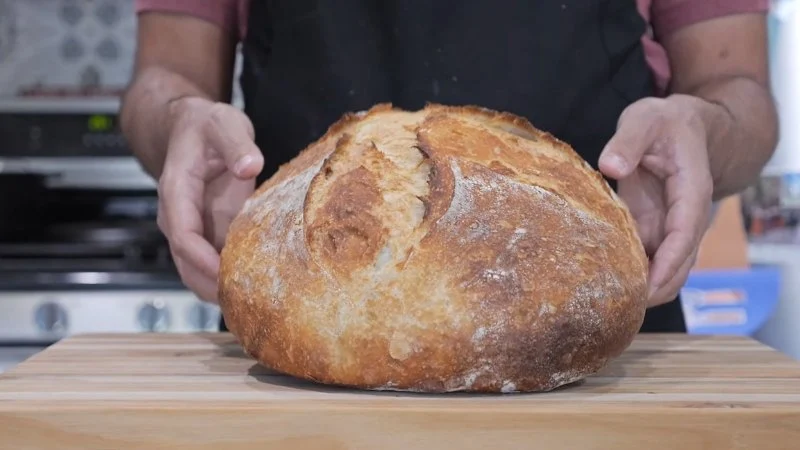
Your First Artisan Bread: A Complete Step-by-Step Guide
- -preparing-your-ingredients-and-kitchen
- -mixing-and-kneading-the-dough
- -first-rise-and-fermentation
- -shaping-and-second-rise
- -baking-and-temperature-tips
- -cooling-and-enjoying-your-loaf
- -real-life-baker-experiences
- -how-to-enhance-your-bread-baking-journey
1. Preparing Your Ingredients and Kitchen
Before starting, ensure you have high-quality flour, yeast, water, and salt. Using a digital scale helps achieve precise measurements, which is crucial for artisan bread. Prepare a clean, lightly floured workspace and preheat any equipment you plan to use.
Having all ingredients at room temperature and measuring them accurately sets a strong foundation for a successful first loaf.

Julius Sturgis Pretzel Bakery / pretzel factory lititz pa
LititzLancaster CountyPennsylvania
219 E Main St, Lititz, PA 17543, USA
2. Mixing and Kneading the Dough
2.1 Combining Ingredients
Start by mixing water and yeast, allowing it to activate. Then gradually incorporate flour and salt until the dough comes together. This initial mixing develops the gluten structure essential for artisan bread.

L’Ami Bakery & Cafe / bakery in h mart
48-18 Northern Blvd, Long Island City, NY 11101, USA
2.2 Kneading Techniques
Knead the dough for 10–15 minutes using either the traditional fold-and-push method or a stand mixer with a dough hook. Proper kneading ensures elasticity, even fermentation, and a light, airy crumb.
3. First Rise and Fermentation
3.1 Bulk Fermentation
Place the dough in a lightly oiled bowl, cover it, and let it rise at room temperature until doubled in size. This typically takes 1–2 hours depending on ambient temperature.
3.2 Benefits of Slow Fermentation
Allowing a longer, slower rise enhances flavor, aroma, and texture. For beginners, an overnight rise in the refrigerator can improve dough handling and taste.
4. Shaping and Second Rise
4.1 Shaping the Loaf
Gently deflate the dough and shape it into a round boule or elongated batard. Tension on the surface helps the loaf maintain structure during baking.
4.2 Proofing
Let the shaped dough rise for a second time until slightly puffy. Proper proofing ensures an even crumb and prevents collapse in the oven.
5. Baking and Temperature Tips
5.1 Preheating the Oven
Preheat your oven to 450°F (232°C) with a baking stone or Dutch oven if available. High heat encourages oven spring and creates a crisp crust.
5.2 Steam for Crust Development
Introduce steam during the first 10–15 minutes of baking by placing a tray of water or using a Dutch oven. Steam enhances crust color and texture.
5.3 Monitoring Bake
Bake until the crust is golden brown and the internal temperature reaches 200–210°F (93–99°C). Adjust timing based on your oven and loaf size.
6. Cooling and Enjoying Your Loaf
Remove the bread from the oven and cool on a wire rack for at least 1 hour. This allows the crumb to set and moisture to redistribute. Slice carefully and enjoy the fresh flavor of your homemade artisan bread.
7. Real-Life Baker Experiences
Many beginner bakers, like Sarah from New York, found that using a step-by-step approach helped her achieve a perfect crust and airy crumb on her first attempt. Similarly, Mark in California credits precise measurements and patience during fermentation for his successful loaves.
8. How to Enhance Your Bread Baking Journey
Experiment with different flours, hydration levels, and proofing techniques as you gain confidence. Investing in quality equipment like a Dutch oven or baking stone, available through platforms like Dine Droop, can further improve results. Always document your process to refine your skills and enjoy the rewarding experience of baking artisan bread at home.






 Nagoya Bakery4.0 (25 reviews)
 The Quantum Baker0.0 (0 reviews)
 Valerio's Tropical Bake Shop4.0 (43 reviews)
 Manny's Bakeshop & Restaurant4.0 (19 reviews)
 Nanding's Bakery4.0 (368 reviews)
 Aloha Sunrise Granola5.0 (5 reviews)
 Bakery Custom Cake Handoff: Design, Allergens, and Pickup
 Bread Freezing Plan: Slicing, Wrapping, and Thawing
 Pastry Gift Box Check: Variety, Allergens, and Transport
 Sourdough Loaf Pickup: Bake Time, Slicing, and Storage
 Bakery Celebration Cake Pickup: Size, Travel, and Timing
 Bakery Bread Storage: Crust, Moisture, and Freezing Guide