
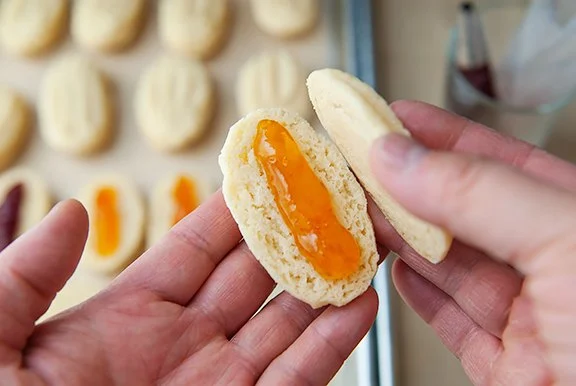
Mastering Bakery-Style Butter Cookies That Melt Yet Stay Crisp
- dough technique - how mixing style affects crisp, light texture
- butter quality - why fat content defines bakery-style flavor
- baking precision - temperature control for perfect edges
- texture balance - achieving crisp outside and tender center
- real kitchen mistakes - what home bakers usually get wrong
- final finishing - shaping, piping, and presentation tips
The Real Secret Behind Bakery-Level Butter Cookies
When people search for How to Make Bakery-Style Butter Cookies with a Crisp, Light Texture, they usually imagine a simple recipe. But professional bakers know it is not just about ingredients—it is about control, patience, and understanding how butter behaves under heat.
In commercial bakeries, butter cookies are treated almost like a science experiment. Small adjustments in temperature or mixing time can completely change whether the cookie turns out airy and crisp or dense and greasy.

Julius Sturgis Pretzel Bakery / pretzel factory lititz pa
LititzLancaster CountyPennsylvania
219 E Main St, Lititz, PA 17543, USA
Choosing Ingredients That Actually Change Texture
Butter quality is not optional
High-fat European-style butter creates a richer structure and cleaner melt. Lower-quality butter often contains more water, which can lead to spreading and uneven texture.

L’Ami Bakery & Cafe / bakery in h mart
48-18 Northern Blvd, Long Island City, NY 11101, USA
Flour type and protein balance
A softer flour with lower protein helps create a more delicate bite. Too much gluten development will make cookies tough instead of light and crisp.
Why sugar granularity matters
Fine sugar dissolves more evenly during baking, producing smoother edges and a more refined crunch compared to coarse sugar crystals.
The Mixing Method That Separates Home Baking From Bakery Results
Creaming butter correctly
One of the most overlooked steps in achieving bakery-style cookies is proper creaming. Butter and sugar must be beaten until pale and airy. This step traps air, which contributes directly to a lighter texture.
Avoiding overmixing after flour is added
Once flour enters the mixture, gluten begins to develop. Overmixing at this stage is one of the fastest ways to lose the crisp-light structure bakers aim for.
Chilling the dough strategically
Chilling is not just for convenience. It stabilizes butter structure, helping cookies hold shape and bake evenly rather than spreading too thin.
Baking Temperature and Timing Control
Why oven temperature changes everything
Even a 10-degree difference can change cookie texture dramatically. Lower heat often leads to flat cookies, while slightly higher controlled heat creates crisp edges and a light center.
Position inside the oven
Middle rack placement ensures even airflow. Uneven heat distribution is one of the hidden reasons home cookies fail to match bakery standards.
Recognizing the perfect bake point
Butter cookies should look slightly underdone in the center when removed from the oven. Residual heat continues baking them as they cool.
Real Kitchen Story: The Cookie That Changed a Baking Routine
A home baker once shared how she struggled for years to recreate her grandmother’s bakery-style butter cookies. Every batch came out either too soft or too greasy. The breakthrough came when she adjusted two things: switching to higher-fat butter and reducing mixing time after flour was added.
The result was immediate. The cookies developed the crisp edges she remembered, while still maintaining a light, almost melt-in-your-mouth center. It was a reminder that small technical changes often matter more than complex recipes.
Common Mistakes That Ruin Texture Without Warning
Using melted butter instead of softened butter
Melted butter destroys air structure. Softened butter, when creamed properly, builds the foundation for lightness.
Skipping measurement accuracy
Professional baking is sensitive to ratios. Even slight deviations in flour or butter can alter texture significantly.
Ignoring cooling time
Fresh cookies may feel soft right out of the oven, but proper cooling allows crispness to fully develop.
Shaping and Presentation Like a Bakery Professional
Piping consistency for visual appeal
Bakery cookies often use piping bags to create consistent shapes. This not only improves appearance but also ensures even baking.
Spacing on baking trays
Cookies need space to expand evenly. Crowding leads to uneven heat and inconsistent texture.
Finishing touches that elevate quality
A light dusting of sugar or a dipped chocolate edge can transform a simple cookie into a bakery-level product.
Why Homemade Bakery-Style Cookies Feel More Rewarding
There is something deeply satisfying about achieving bakery-quality results at home. It is not just about flavor—it is about control over ingredients, freshness, and the ability to customize every detail.
Once you understand the science behind How to Make Bakery-Style Butter Cookies with a Crisp, Light Texture, you stop following recipes blindly and start baking with intention.
Turning Practice Into Perfect Results
If you want to consistently achieve crisp, light, bakery-style cookies, focus on technique rather than shortcuts. Invest in good butter, respect mixing stages, and pay attention to temperature control. These are the habits that separate casual baking from professional-level results.
To explore premium baking tools, ingredient guides, and curated cookie-making kits designed for home bakers who want bakery-quality results, you can discover more resources and seasonal baking essentials that help refine your technique and elevate your results every time you bake.


 Nagoya Bakery4.0 (25 reviews)
 The Quantum Baker0.0 (0 reviews)
 Valerio's Tropical Bake Shop4.0 (43 reviews)
 Manny's Bakeshop & Restaurant4.0 (19 reviews)
 Nanding's Bakery4.0 (368 reviews)
 Aloha Sunrise Granola5.0 (5 reviews)
 Bakery Service Charge Check: Bill, Tips, and Group Split
 Bakery Texture Guide: A Practical US Checklist
 Bakery Cake Quote: Size, Design, Pickup, and Allergen Notes
 Bakery Bread Crumb Check: Freshness, Cutting, and Serving
 Bakery Cupcake Pickup: Count, Box, and Safe Transport
 Bakery Whole-Grain Bread: Ingredients, Texture, and Freshness