
Fresh from the Oven: The Everyday Upgrade Your Kitchen Has Been Missing
- 1-taste-and-texture-make-the-difference
- 2-ingredients-you-can-actually-pronounce
- 3-freshness-and-nutrition-in-real-life
- 4-supporting-local-bakeries-supports-your-community
- 5-the-hidden-costs-of-packaged-goods
- 6-how-to-shop-smart-at-a-local-bakery
- 7-a-quick-story-that-changed-my-shopping-habits
- 8-make-the-switch-with-confidence
1. Taste and Texture Make the Difference
If you’ve ever torn into a warm loaf and heard that soft crackle of a real crust, you already understand the main argument for fresh, local bakery items. Packaged goods can be convenient, sure—but convenience has a flavor, and it usually tastes like “fine.” Not bad. Not amazing. Just… fine.
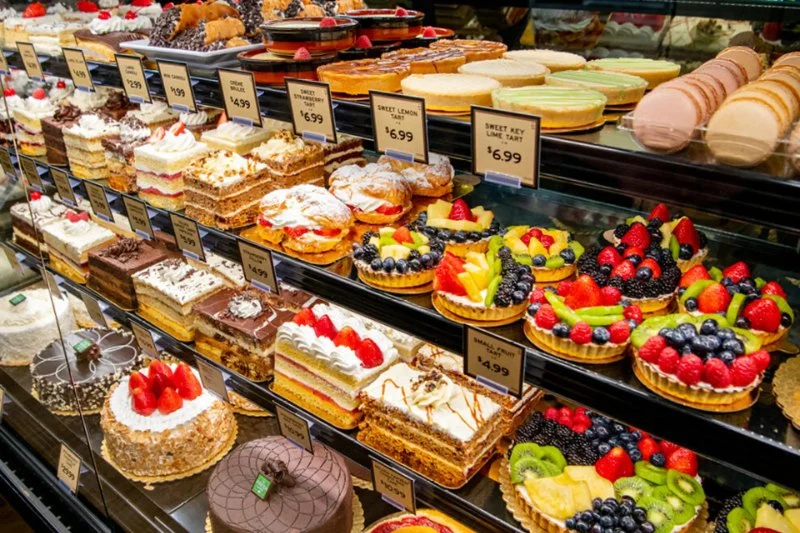
Fresh baked goods, on the other hand, feel alive. The crumb is springy, the crust is crisp instead of rubbery, and the aroma does half the work before you even take a bite. That’s because local bakers aren’t baking to survive a two-week shipping window. They’re baking for today.
1. Fresh bread often has a more complex flavor because it’s designed to be eaten soon after baking.
2. Pastries hold their texture better—flaky layers stay flaky instead of turning chewy in plastic wrap.
3. Even “simple” items like dinner rolls can taste richer because they’re not stripped down to be shelf-stable.
Paris Baguette / paris baguette jackson heights
27-35 Jackson Ave, Long Island City, NY 11101, USA
2. Ingredients You Can Actually Pronounce
This is where local bakery vs packaged goods becomes a real eye-opener. Packaged goods are engineered to stay soft, look consistent, and resist mold. To do that, many brands rely on additives, stabilizers, preservatives, and “dough conditioners” that most people wouldn’t recognize without a quick search.
Fresh, local bakery items tend to be simpler. Not always “health food,” but often more straightforward: flour, water, yeast (or sourdough starter), salt, butter, eggs, sugar—real ingredients that make sense in a home kitchen.
1. Fewer preservatives often means a shorter shelf life, but that’s not a flaw—it’s the whole point.
2. Many bakeries can tell you exactly what’s in each item, and some will even adjust for allergies if you ask ahead.
3. Cleaner labels make it easier to choose what fits your lifestyle—whether you’re trying to cut back on ultra-processed foods or simply eat more intentionally.

Posh Pop Bakeshop / posh pop bakeshop 39th
New YorkNew York CountyNew York
192 Bleecker St, New York, NY 10012, USA
3. Freshness and Nutrition in Real Life
Let’s be honest: bread and pastries are not going to replace your vegetables. But the benefits of fresh baked goods still matter, especially when you compare “fresh today” vs “made to last.” The longer something sits, the more it relies on packaging tricks to stay presentable.
Freshness is also part of satisfaction. When you eat something that tastes better, you often need less of it to feel satisfied. I’ve noticed this with bakery bread in particular: a slice of a good sourdough feels like an actual food experience, not just a bland base for toppings.
1. Fresh bakery bread can feel more filling due to texture and flavor complexity.
2. Some traditional baking methods (like longer fermentation) can improve taste and may feel gentler for some people compared to quick-rise breads.
3. You’re also avoiding the “snack spiral” where packaged items are designed to be endlessly munchable.
4. Supporting Local Bakeries Supports Your Community
When you buy from a local bakery, you’re not just buying bread—you’re paying for someone’s skill, time, and early-morning hustle. And that money tends to circulate locally: wages, local suppliers, neighborhood rent, community events.
There’s also a cultural side to it. Local bakeries often reflect the community’s tastes and traditions. In some places, it’s bagels and bialys. In others, it’s conchas, croissants, kolaches, or seeded rye that tastes like someone’s grandparent taught the recipe.
1. Local bakeries often experiment more—seasonal flavors, limited runs, and creative twists you’ll never see in packaged goods.
2. You can build a relationship with the people making your food, which is surprisingly satisfying.
3. Many bakeries also partner with nearby coffee shops, farms, or small businesses, which keeps the whole local food scene stronger.
5. The Hidden Costs of Packaged Goods
Packaged goods can look cheaper on the shelf, but the real cost shows up in ways people don’t always count: wasted food, disappointing meals, and buying “backup snacks” because the main thing wasn’t satisfying.
There’s also the quality trade-off. To stay consistent across thousands of stores, packaged goods are designed to be uniform, not exceptional. That’s why “artisan-style” packaged bread often tries to mimic bakery flavor—but still ends up tasting like it’s been standardized.
1. Shelf-stable softness is often a sign of extra processing, not freshness.
2. Plastic packaging and transport add environmental impact compared to buying local.
3. When you settle for “good enough,” you’re less likely to enjoy what you eat—and that’s a quiet cost that adds up.
6. How to Shop Smart at a Local Bakery
Buying local doesn’t mean buying randomly. The easiest way to fall in love with fresh local bakery items is to shop with a little strategy.
1. Start with one “daily driver” item—like sandwich bread, sourdough, or a simple baguette. Make it your regular swap for packaged goods.
2. Ask what’s best that day. Bakers usually know what came out especially well (and they’re often proud to tell you).
3. Learn storage basics. Bread boxes, paper bags, or freezing slices can keep quality high without relying on preservatives.
4. Treat pastries like same-day joys. If you want to save them, ask what freezes well and how to reheat for best texture.
7. A Quick Story That Changed My Shopping Habits
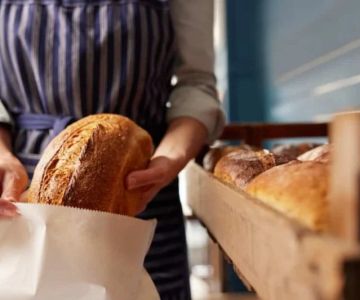
A couple years ago, I was in a hurry and grabbed my usual packaged bread. Later that same week, a friend brought over a loaf from a neighborhood bakery—nothing fancy, just a crusty country loaf. We made grilled cheese with it, and it genuinely changed how I thought about “basic” food.
The bread didn’t just hold the sandwich together—it was part of the flavor. Crisp crust, soft interior, buttery toast edges. The packaged loaf suddenly felt like a compromise I didn’t need to make.
That’s the thing about fresh, local bakery items: once you taste the difference in everyday meals, it’s hard to go back.
8. Make the Switch with Confidence
If you’re trying to eat better, cook more at home, or simply enjoy your food again, this is one of the easiest upgrades you can make. You don’t have to give up every packaged item overnight. Just start with one swap—bread, muffins, bagels, or a weekend pastry—and pay attention to how it changes your meals.
When you’re ready, lean into the best part: exploring. Try a new loaf, ask about seasonal items, and build a small rotation of favorites. Over time, you’ll find that choosing fresh, local bakery items over packaged goods isn’t just a “food choice”—it’s a habit that makes everyday life taste better.
Ready to take the next step? Learn more about today’s best fresh, local bakery items and see what’s baking right now—choose something you’ll actually look forward to eating, and make your next grocery run feel like an upgrade.

 Generoso's Bakery Cafe & Pizzeria4.0 (148 reviews)
 Costco Bakery4.0 (7 reviews)
 Castle Top Treats LLC5.0 (8 reviews)
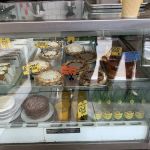 Black Jet Baking Co.4.0 (226 reviews)
 Bart’s Kitchen & Bakery5.0 (17 reviews)
 Hefner Donut Shop4.0 (90 reviews)
 How to Bake the Best Homemade Apple Crisp Like a Pro
 The Best Ways to Add Flavors to Your Baking Without Artificial Ingredients
 How to Create the Perfect Donut Glaze | Heavenly Delights Bakery Guide
 Why Freshly Baked Croissants Are the Ultimate Indulgence
 How to Make the Best Homemade Cake Pops
 How to Make Homemade Caramel Sauce for Desserts