
Bakery Secrets for a Cheesecake That Tastes Like It Came from a Display Case
- #Cheesecake-Starts-Before-You-Bake - Ingredients-Tools-And-Mindset
- #Mixing-Techniques-That-Change-Everything - Smooth-Batter-Without-Overwhipping
- #Baking-Like-A-Pro - Water-Bath-Temperature-And-Timing
- #Cooling-Without-Cracks - The-Step-Most-People-Rush
- #Flavor-Ideas-And-Serving-Moves - Make-It-Look-And-Taste-Premium
- #Upgrade-Your-Cheesecake-Setup - Tools-And-Ingredients-Worth-Buying
Cheesecake Starts Before You Bake
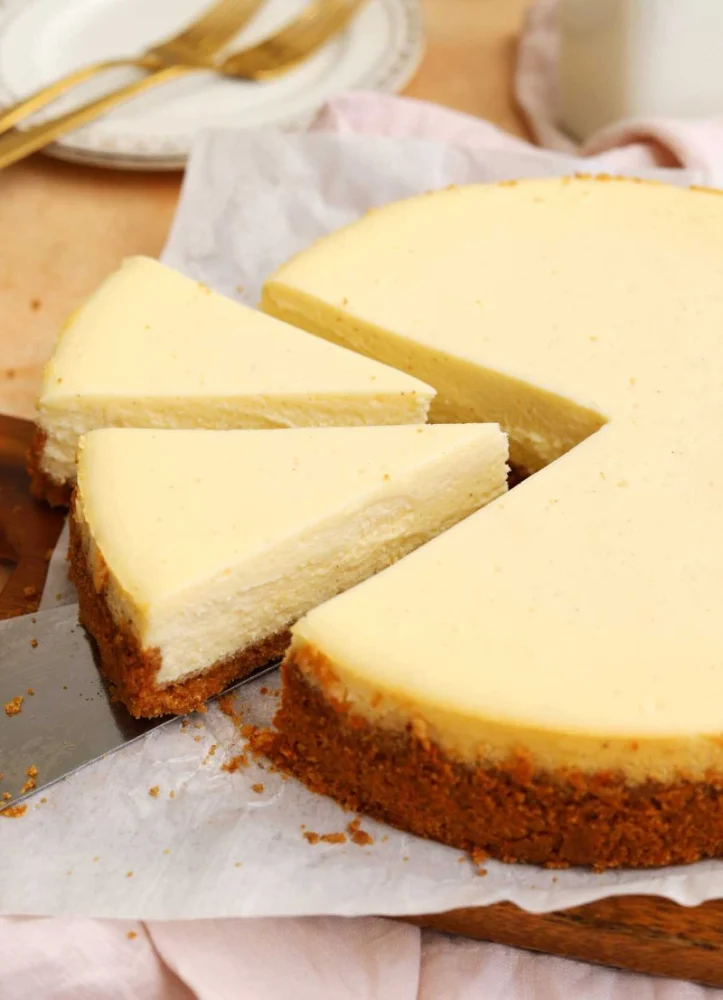
If you’ve ever stood in front of a bakery case staring at a cheesecake slice that looks almost unreal—perfectly smooth top, neat edges, thick creamy center—you’ve probably wondered what they’re doing that home bakers aren’t. Here’s the honest truth: a bakery-style cheesecake isn’t about “one secret ingredient.” It’s about a chain of small decisions that stack up. The kind that feel boring until you taste the result.
Tate's Bake Shop / tates hamptons
SouthamptonSuffolk CountyNew York
43 N Sea Rd, Southampton, NY 11968, USA
1. Ingredients Matter More Than Fancy Toppings
If the filling isn’t silky and balanced, no berry sauce can save it. The best “perfect cheesecake recipe” usually starts with full-fat cream cheese, real vanilla, and fresh eggs. Low-fat products tend to bake up thinner and slightly grainy. If you want that classic bakery bite—dense but not heavy—stick to the richer base.

Bohemian Bakery / bohemian donuts
MontpelierWashington CountyVermont
83 Main St, Montpelier, VT 05602, USA
1.1 Temperature is an ingredient, too
This is where most people accidentally sabotage their own work. Your cream cheese, eggs, and sour cream should be room temperature. Cold ingredients don’t blend smoothly, which leaves tiny lumps. Those lumps don’t magically disappear in the oven—they become texture problems.
2. Tools That Make a Bigger Difference Than You’d Think
You can absolutely learn how to make cheesecake without a fancy kitchen, but a few tools make the “bakery-style cheesecake” goal much easier.
2.1 The pan choice affects the final look
A springform pan is the classic. A solid cheesecake pan with a removable bottom can reduce leak risk, but either works if you protect it properly. The “best cheesecake pan” is the one that seals well and heats evenly, because uneven heat creates uneven texture.
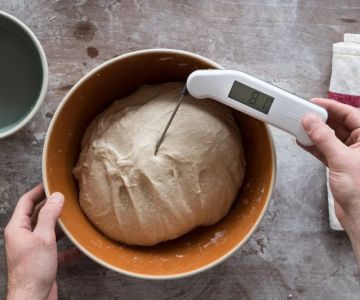
2.2 An instant-read thermometer is a confidence boost
People overbake cheesecake because they’re scared of underbaking it. A thermometer calms that fear. Cheesecake is done when it’s set around the edges but still slightly wobbly in the center, usually around the low 150s°F in the middle depending on your recipe style.
Mixing Techniques That Change Everything
When someone says, “My cheesecake tastes fine but it doesn’t look like the bakery one,” the problem is often mixing. The smooth top you want is the reward for gentle handling. Overmixing is the fastest route to bubbles, puffing, and cracks later.
1. The “Less Air” Rule
Think of cheesecake batter like a luxury fabric—you don’t want to beat it like bread dough. Mix slowly, scrape the bowl often, and stop as soon as the batter is smooth.
1.1 Why air ruins the finish
Air bubbles expand in the oven and collapse as the cake cools. That collapse can trigger cracks, especially if the edges set too firmly before the center.
2. The Order That Keeps Batter Velvety
A reliable method for a creamy cheesecake texture is:
2.1 Step-by-step order
1. Beat the cream cheese until smooth and glossy.
2. Add sugar and mix just until combined.
3. Add sour cream (or heavy cream) and vanilla.
4. Add eggs one at a time on low speed, stopping the moment each disappears.
This approach is boring in the best way—it removes drama from the bake. It’s also the path most professional kitchens follow because it produces consistent results.
Baking Like a Pro
Let’s talk about the part that scares people: baking. The bakery-style goal isn’t “more baked.” It’s “evenly baked.” That’s why pros obsess over temperature, moisture, and timing.
1. The Water Bath Isn’t a Myth
Yes, a cheesecake water bath is annoying. Yes, it works. The steam moderates the oven’s heat and helps the cheesecake bake gently. That gentle bake is what gives you a creamy interior instead of a dry, slightly eggy one.
1.1 How to reduce water bath stress
Use a larger roasting pan. Place your wrapped springform pan inside. Then add hot water after the pan is already in the oven so you don’t slosh water everywhere. Many bakers also place a separate pan of hot water on the lower rack if they want some humidity without full immersion—still helpful, though not quite the same.
2. Cheesecake Baking Temperature: Lower is Friendlier
A common mistake is baking too hot because it “sets faster.” That speed comes with a cost: the edges overcook while the center is still catching up. Many bakery-style cheesecakes bake around the low-to-mid 300°F range. The point is controlled heat, not aggressive heat.
2.1 Timing is a range, not a promise
Your pan material, oven personality, and ingredient temperature all affect timing. Use visual cues: the perimeter should look set, the center should jiggle like thick pudding, and the surface should not be browning deeply.
Cooling Without Cracks
If you want cheesecake cracks prevention, this is the moment that matters most. The oven isn’t the only place cracks happen. Rapid temperature change is like an ambush: the cheesecake shrinks quickly, the surface tightens, and something has to give.
1. The Slow-Cool Method Bakeries Use
When the cheesecake is done, turn off the oven, crack the door, and let it sit for about 45–60 minutes. This gradual cool helps the structure relax.
1.1 The edge-release trick
After that initial rest, run a thin knife around the edge of the cheesecake. This prevents the cake from sticking to the pan as it contracts. It’s a small move that can save the top.
2. Chill Time is Part of the Baking Process
A “perfect cheesecake recipe” isn’t finished when it leaves the oven. It finishes in the fridge. Cold time helps the texture set into that dense, creamy bakery slice you’re chasing. Ideally, refrigerate at least 6 hours—overnight is even better.
Flavor Ideas and Serving Moves
Here’s the fun part: bakery-style doesn’t just mean texture. It also means the cheesecake feels intentional—like someone planned the flavor, not just followed a recipe.
1. Flavor Upgrades That Taste Expensive
You can keep the base classic and still make it feel premium.
1.1 Subtle add-ins that don’t mess up texture
1. Citrus zest (lemon or orange) for brightness.
2. Espresso powder for depth in chocolate variations.
3. A spoon of honey instead of part of the sugar for warmth.
4. A pinch of salt to sharpen the flavor and reduce “flat sweetness.”
2. Serving Like a Bakery Without Overdoing It
A bakery slice looks clean. That means neat cuts and a tidy plate.
2.1 The hot-knife method
Dip a knife in hot water, wipe it dry, and slice. Repeat between cuts. It sounds fussy, but it gives you those crisp edges people associate with professional dessert shops.
Upgrade Your Cheesecake Setup
If you’ve tried once or twice and your cheesecake is “good but not quite bakery-level,” you’re not failing—you’re just missing the small advantages pros build into their process. The easiest way to level up is to improve consistency: stable pans, reliable ingredients, and a couple of tools that remove guesswork.
1. The Purchases That Pay Off Fast
If you want your next bake to feel smoother and more predictable, consider investing in:
1.1 Tools that improve results immediately
1. A sturdy springform pan that seals well.
2. A roasting pan deep enough for a stress-free water bath.
3. An instant-read thermometer so you stop overbaking.
4. Quality vanilla and full-fat cream cheese for that true bakery-style cheesecake flavor.
If you’re ready to make the perfect bakery-style cheesecake more than once—maybe for birthdays, holidays, or that “I’m bringing dessert” moment—upgrading your setup is the shortcut that feels worth it. Learn more, compare highly rated tools, and check out the latest baking essentials designed to help you consistently make a bakery-style cheesecake at home.


 Generoso's Bakery Cafe & Pizzeria4.0 (148 reviews)
 Costco Bakery4.0 (7 reviews)
 Castle Top Treats LLC5.0 (8 reviews)
 Black Jet Baking Co.4.0 (226 reviews)
 Bart’s Kitchen & Bakery5.0 (17 reviews)
 Hefner Donut Shop4.0 (90 reviews)
 How to Bake the Best Homemade Apple Crisp Like a Pro
 The Best Ways to Add Flavors to Your Baking Without Artificial Ingredients
 How to Create the Perfect Donut Glaze | Heavenly Delights Bakery Guide
 Why Freshly Baked Croissants Are the Ultimate Indulgence
 How to Make the Best Homemade Cake Pops
 How to Make Homemade Caramel Sauce for Desserts