
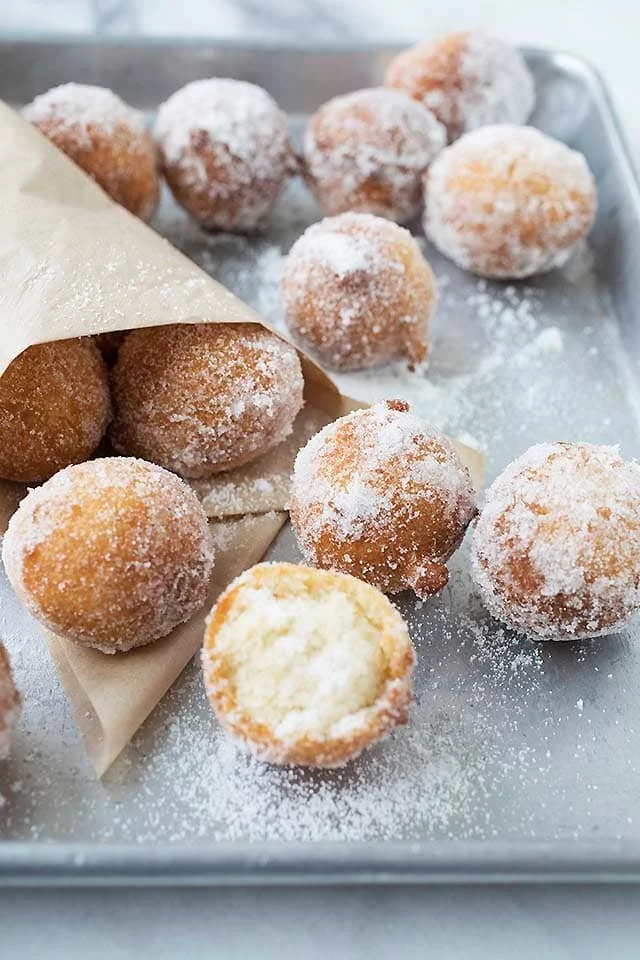
The Home Baker’s Playbook for Perfect Donut Holes
- 1-Bakery-Texture-Explained-#bakery_texture_explained
- 2-Ingredients-That-Actually-Matter-#ingredients_that_actually_matter
- 3-Dough-Methods-Yeast-vs-Cake-#dough_methods_yeast_vs_cake
- 4-Shaping-Proofing-and-Temp-Control-#shaping_proofing_and_temp_control
- 5-Frying-Without-Fear-#frying_without_fear
- 6-Glazes-Coatings-and-Fillings-#glazes_coatings_and_fillings
- 7-Troubleshooting-Like-a-Pro-#troubleshooting_like_a_pro
- 8-Next-Steps-for-Better-Batches-#next_steps_for_better_batches
1. Bakery Texture Explained
If you’ve ever bitten into a donut hole from a real bakery and thought, “Okay, how do they make it that soft?”—you’re not alone. The magic of bakery-style donut holes isn’t a secret ingredient so much as a series of small decisions that stack up: the right dough style, a careful rise (if you’re using yeast), and oil temperature that stays steady instead of swinging wildly.
Bakery donut holes usually land in one of two texture camps. The first is the airy, slightly chewy yeast style—light inside with that delicate pull when you tear it open. The second is the cake style—more tender and crumbly, like a mini old-fashioned donut that’s been given a glow-up. The Ultimate Guide to Making Bakery-Style Donut Holes really starts here, because once you pick the texture you want, the rest of your choices become way easier.

The French Workshop / 25-33 broadway astoria ny 11106
25-33 Broadway, Astoria, NY 11106, USA
1.1 What “Bakery-Style” Really Means
In most American bakeries, “bakery-style” is less about perfection and more about consistency. The donut holes are uniform, not greasy, and they stay soft for hours. That’s usually achieved by balancing moisture (milk, eggs, and fat), developing structure (mixing just enough), and frying at the sweet spot so the outside sets before the inside dries out.

Tous Les Jours / tous les jours southampton
SmithtownSuffolk CountyNew York
1 Miller Pl Suite D, Smithtown, NY 11787, USA
1.2 Why Your Home Batches Sometimes Taste “Flat”
There’s a common home-baker problem: the donut hole tastes fine, but it doesn’t have that “wow” bite. That often comes from under-seasoning the dough. Bakeries salt their dough properly, and they’re not shy about vanilla, nutmeg, or a tiny hint of citrus zest. Those details don’t scream “flavor,” but they make the donut taste finished.
2. Ingredients That Actually Matter
You can make donut holes with basic pantry staples, but if you want truly bakery-style donut holes, a few ingredients deserve more attention than others. Not because you need anything fancy—because these are the difference-makers when it comes to softness, browning, and flavor.
2.1 Flour Choices and Why They Change Everything
All-purpose flour works for both yeast and cake donut holes, but here’s the trick: for yeast donut holes, too much flour makes them dense. If you’ve ever had a batch that felt heavy, you probably added flour until the dough stopped sticking. A slightly tacky dough often fries up lighter and more tender.
For cake donut holes, flour matters in a different way—overmixing develops gluten and makes them tough. Think: gentle mixing, stop when you can’t see dry flour, and accept that the batter won’t look as “neat” as cookie dough.
2.2 The “Flavor Trio”: Salt, Vanilla, and Nutmeg
Salt sharpens sweetness. Vanilla rounds out the aroma. Nutmeg adds that classic donut-shop vibe (even if you can’t identify it). If you only upgrade three things in your donut hole recipe, upgrade those.
2.3 Milk, Buttermilk, or Yogurt
Milk gives softness. Buttermilk adds tang and tenderness in cake-style doughs. Yogurt (especially plain) can mimic buttermilk’s effect and often makes cake donut holes extra moist. If you’ve been chasing that bakery softness and missing it by a mile, a more acidic dairy choice can be the bridge.
3. Dough Methods: Yeast vs Cake
This is where most guides get overly technical—so let’s make it simple. Yeast donut holes are like soft dinner rolls that took a dessert turn. Cake donut holes are like quick bread that decided to go swimming in hot oil. Both can be “bakery-style,” just in different ways.
3.1 Yeast Donut Holes: The Light, Chewy Classic
Yeast donut holes take longer, but the payoff is that springy, cloudlike interior. The key is patience: a proper rise and a second short proof after shaping. If you rush the proof, you’ll get donut holes that look okay but fry up tight and bready.
3.2 Cake Donut Holes: Quick, Tender, and Forgiving
Cake donut holes are the move when you want results fast. They don’t need a rise. The trade-off is that technique matters: keep the batter cold (or at least not warm), avoid aggressive mixing, and fry at a stable temperature so the outside doesn’t over-brown before the center cooks.
3.3 Picking the Right Style for Your Kitchen
If your kitchen is cold and you hate waiting, cake donut holes might be your best friend. If you love a weekend baking project and want that “donut shop” chew, yeast is worth it. Either way, The Ultimate Guide to Making Bakery-Style Donut Holes is really about matching the method to your life, not forcing yourself into a technique you’ll never repeat.
4. Shaping, Proofing, and Temp Control
Donut holes look simple—just little balls, right? But shaping is where “pretty good” becomes “bakery-counter ready.”
4.1 Shaping Without Overworking
For yeast dough, pinch off pieces and roll gently between your palms. Don’t compress them like you’re making dense meatballs. You want surface tension, not a packed center. For cake batter, use a small scoop to keep sizes consistent—this helps them cook evenly.
4.2 Proofing Without Guessing
Yeast donut holes are ready to fry when they look slightly puffy and feel airy. If you poke one gently, the dent should slowly spring back. If it snaps back instantly, it needs more time. If it collapses, it went too far.
4.3 Why Temperature Is the Quiet Hero
Temperature shows up everywhere: dough temperature affects rising speed, and oil temperature determines texture. If your oil is too hot, the outside browns fast and the inside stays doughy. If it’s too cool, the donut holes soak up oil and taste heavy.
5. Frying Without Fear
Frying scares a lot of home bakers, but it doesn’t need to. Think of it as controlled toasting in oil. Your goal is steady heat and small batches.
5.1 The Best Oil Temperature Range
Most bakery-style donut holes fry best when the oil stays in a moderate range—hot enough to set the crust quickly, but not so hot that you get a dark shell and raw center. The best move is using a thermometer and adjusting the heat between batches.
5.2 Small Batch Frying for Consistency
Overcrowding drops the oil temperature fast. That’s how you end up with greasy donut holes. Fry in small batches so each donut hole has space to float and brown evenly. It feels slower, but the quality difference is huge.
5.3 A Little Story That Might Save Your Batch
I once tried to “speed-run” donut holes for a game-day party—crowded the pot, cranked the heat, and told myself it would be fine. The first batch came out pale and oily, so I overcorrected with higher heat, and the second batch browned too fast. The third batch finally worked… after I slowed down, fried fewer at a time, and watched the thermometer like it was a scoreboard. That day taught me the unglamorous truth: great donut holes are mostly about not rushing.
6. Glazes, Coatings, and Fillings
This is where donut holes turn into a “people talk about them later” dessert. Glaze adds shine, coatings add texture, and fillings add surprise.
6.1 Classic Vanilla Glaze That Sets Smooth
A bakery-style glaze is thin enough to drip, but thick enough to cling. Dip the donut holes while they’re warm (not piping hot). If they’re too hot, the glaze melts off. If they’re too cool, it sits dull and thick.
6.2 Cinnamon Sugar Done Right
Toss donut holes in cinnamon sugar while they’re still warm so it sticks naturally. A tiny pinch of salt in the cinnamon sugar makes the flavor pop—this is a bakery trick that feels almost unfair.
6.3 Filled Donut Holes Without a Mess
If you want filled donut holes, let them cool slightly first. Warm donut holes are delicate and can tear. Use a piping bag (or a zip-top bag with the corner snipped) and fill with jam, pastry cream, or a thick chocolate spread.
7. Troubleshooting Like a Pro
Even experienced bakers miss sometimes. Here’s how to diagnose quickly—without spiraling.
7.1 Greasy Donut Holes
Usually oil temperature was too low, or the pot was overcrowded. Next time, fry fewer at once and let the oil recover between batches.
7.2 Raw Centers
Oil was too hot or donut holes were too large. Keep the sizes consistent and lower the heat slightly.
7.3 Dense Texture
For yeast: dough may have been over-floured or under-proofed. For cake: batter may have been overmixed. Both problems show up as heaviness instead of that airy bakery bite.
8. Next Steps for Better Batches
Once you’ve made a batch or two, you’ll notice something funny: your “favorite” donut hole isn’t always the one you expected. Some people fall for the clean snap of a glaze. Others want cinnamon sugar that clings to every corner. The point is, you’re not just learning a recipe—you’re building your personal donut-hole style.
If you want to level up fast, focus on two upgrades: keep your frying temperature steady, and refine one signature finish (a glaze, a coating, or a filling) until it feels like your thing. That’s how home bakers quietly become “the donut-hole person” in their friend group.
And if you’re ready to go from “pretty good” to true bakery-style donut holes, the easiest next step is getting the right tools and ingredients lined up—especially a dependable thermometer, a sturdy fryer pot, and a quality piping setup for fillings. If you want to learn more or check out the latest products that make The Ultimate Guide to Making Bakery-Style Donut Holes easier to follow in real life, now’s a great time to explore what’s available and choose a setup that matches how you like to bake.


 Auntie Anne's2.0 (30 reviews)
 Peipei's Bakery& Mister Monut4.0 (184 reviews)
 Bakers Bounty - Union Square5.0 (2 reviews)
 M&J Bagel Store Bakery Deli Cafe4.0 (241 reviews)
 Tous Les Jours4.0 (137 reviews)
 Hy-Vee Bakery4.0 (18 reviews)
 How to Make the Best Homemade Banana Pudding
 Why Local Bakeries Are the Heart of Your Community
 How to Make Fresh Homemade Pita Bread in 30 Minutes
 How to Bake the Best Homemade Focaccia Bread with Herbs: Step-by-Step Guide
 How to Make a Bakery-Style Cookie at Home: Tips and Tricks
 10 Delicious Pastries to Add to Your Baking List: Sweet Treats for Every Occasion