
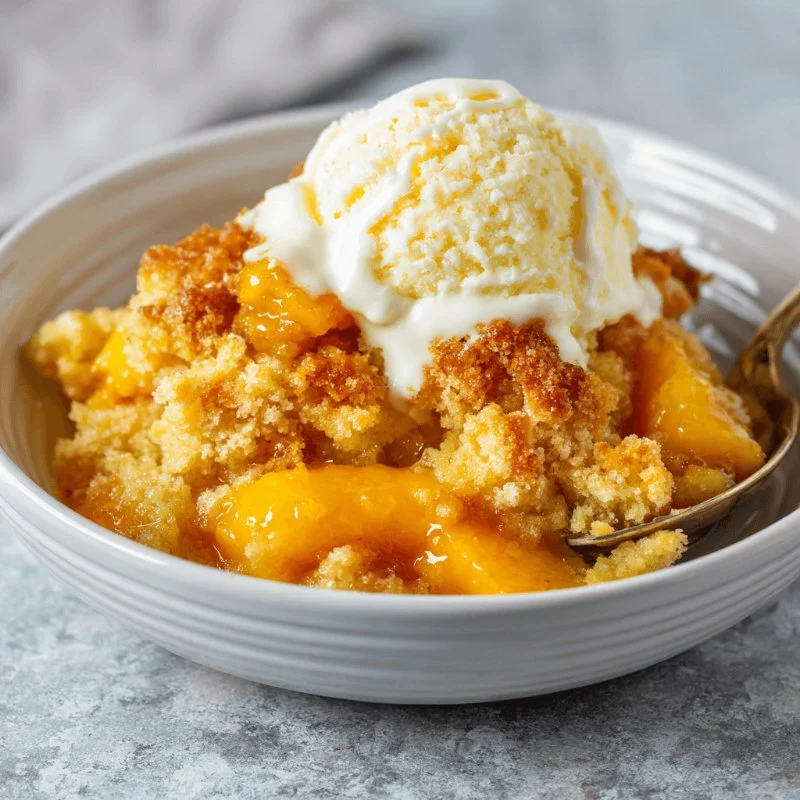
A Cozy Bakery-Style Peach Cobbler You’ll Want to Make Again and Again
- peach-cobbler-baking-basics - Understanding the foundation of a bakery-style texture and flavor
- fresh-peach-preparation - How fruit quality changes the entire dessert experience
- cobbler-topping-secrets - Creating a golden, crisp topping with soft interior contrast
- oven-baking-techniques - Temperature control and timing for perfect results
- serving-and-pairing-ideas - How to elevate the dessert experience at home
The Comfort Behind a True Bakery-Style Peach Cobbler
There’s something deeply nostalgic about a warm peach cobbler coming out of the oven. The bubbling fruit, the golden crust, and the sweet aroma filling the kitchen can instantly make a house feel like home. A bakery-style peach cobbler isn’t just about following a recipe—it’s about capturing that balance between rustic comfort and professional-quality texture.
What separates a standard homemade dessert from something you’d expect to see behind a bakery glass is attention to detail. The fruit should feel juicy but not watery, the topping should be crisp but tender inside, and every bite should carry a balanced sweetness that doesn’t overwhelm the palate.
Many home bakers first discover this difference after trying a professionally made version at a local bakery or Southern-style restaurant. That moment of comparison often sparks the desire to recreate that same depth of flavor at home.

Julius Sturgis Pretzel Bakery / pretzel factory lititz pa
LititzLancaster CountyPennsylvania
219 E Main St, Lititz, PA 17543, USA
Choosing the Right Peaches for Maximum Flavor Impact
A truly memorable homemade peach cobbler recipe begins long before the oven is preheated. It starts at the fruit selection stage. Fresh, ripe peaches bring natural sweetness and aroma that canned alternatives often struggle to match.

L’Ami Bakery & Cafe / bakery in h mart
48-18 Northern Blvd, Long Island City, NY 11101, USA
How ripeness changes everything
Peaches that are slightly soft to the touch but still firm enough to hold shape are ideal. Overripe fruit can break down too much during baking, while underripe peaches lack the natural sugar needed for depth of flavor.
A real example comes from a home baker in Georgia who experimented with two batches—one using store-bought firm peaches and another using locally ripened fruit. The difference was striking: the second batch had richer syrup, better texture, and a more aromatic finish.
For those looking to enhance flavor consistency year-round, some bakers gently poach or macerate peaches with sugar and lemon juice before baking to simulate peak-season sweetness.
Building the Perfect Bakery-Style Texture
The heart of any bakery-style peach cobbler lies in its structure. It’s not just about placing fruit in a dish and adding batter—it’s about creating layers of contrast.
Balancing softness and crispness
The filling should be thick enough to hold shape but still juicy enough to bubble up through the topping. Meanwhile, the topping should form a golden crust that slightly cracks when spooned, revealing a soft interior beneath.
This contrast is what makes easy peach cobbler dessert recipes feel elevated when done correctly. Bakers often achieve this by carefully controlling butter distribution and ensuring the oven temperature remains stable throughout baking.
A small adjustment in baking time—just a few minutes too long or too short—can completely change the texture outcome. That’s why experienced bakers often rely on visual cues like bubbling edges and golden crust color rather than timers alone.
The Secret Behind a Crispy Yet Tender Topping
One of the most discussed elements in Southern peach cobbler baking tips is the topping itself. It can make or break the entire dessert experience.
A well-executed topping should feel slightly crisp on the outside while remaining soft and cake-like inside. Achieving this requires proper fat distribution, gentle mixing, and careful layering over the fruit base.
What many home bakers overlook
Overmixing the batter is one of the most common mistakes. When gluten develops too much, the topping becomes dense instead of airy. Another overlooked detail is butter temperature—too cold and it won’t spread evenly, too warm and it won’t create structure.
In professional kitchens, bakers often chill the topping mixture briefly before layering it onto fruit. This small step helps control spread and ensures a more consistent bake.
How Oven Technique Shapes the Final Dessert
Oven behavior plays a bigger role than many realize when making fresh peach cobbler from scratch. Even slight variations in heat distribution can affect caramelization and moisture levels.
Most bakery-style results come from a combination of moderate heat and slightly extended baking time. This allows the peaches to release juices gradually while the topping develops its golden crust.
Inconsistent oven calibration is a common issue in home kitchens. Bakers often rotate the dish halfway through baking to ensure even browning and prevent one side from overcooking.
Serving Moments That Turn Dessert Into Experience
A well-made cobbler deserves thoughtful presentation. While it can certainly be enjoyed straight from the pan, small serving enhancements can elevate the experience significantly.
Simple ways to enhance enjoyment
A scoop of vanilla ice cream melting over warm cobbler creates a classic contrast of hot and cold. Some prefer a drizzle of honey or a sprinkle of cinnamon sugar for added depth.
There’s also something special about serving it in small ceramic dishes for individual portions. It transforms the dessert from casual comfort food into a more refined bakery-style experience.
Many home bakers have shared that this dessert often becomes the centerpiece of family gatherings, especially during summer when peaches are at their peak.
Real Kitchen Story: When a Simple Recipe Became a Family Tradition
One home cook shared how their first attempt at peach cobbler was inspired by a roadside bakery visit during a road trip through the South. The flavor left such an impression that recreating it became a weekend tradition.
Over time, the recipe evolved—adjusted sweetness levels, improved crust technique, and refined baking times turned it into a signature family dessert. What started as curiosity became a shared ritual passed between generations.
This is the kind of transformation that shows how baking is not just about food, but about memory and connection.
Bringing Bakery-Level Results Into Your Own Kitchen
Mastering bakery-style peach cobbler is less about complexity and more about understanding technique. Small improvements in ingredient selection, mixing method, and baking control can dramatically elevate results.
For those who want to explore more baking inspiration, ingredient tools, and dessert upgrades, platforms like Rubi Spanish Table offer curated options that help home bakers refine their craft and experiment with confidence.
Once you experience the difference that thoughtful technique makes, this dessert often becomes more than just a recipe—it becomes a personal signature.



 Nagoya Bakery4.0 (25 reviews)
 The Quantum Baker0.0 (0 reviews)
 Valerio's Tropical Bake Shop4.0 (43 reviews)
 Manny's Bakeshop & Restaurant4.0 (19 reviews)
 Nanding's Bakery4.0 (368 reviews)
 Aloha Sunrise Granola5.0 (5 reviews)
 Bakery Celebration Cake Pickup: Size, Travel, and Timing
 Bakery Bread Storage: Crust, Moisture, and Freezing Guide
 Bakery Reservation Notes: Time, Party, Access, and Contact
 Bakery Menu Portion Chec: A Heavenly Delights Bakery Reader Guide
 Bakery Service Charge Check: Bill, Tips, and Group Split
 Bakery Texture Guide: A Practical US Checklist