
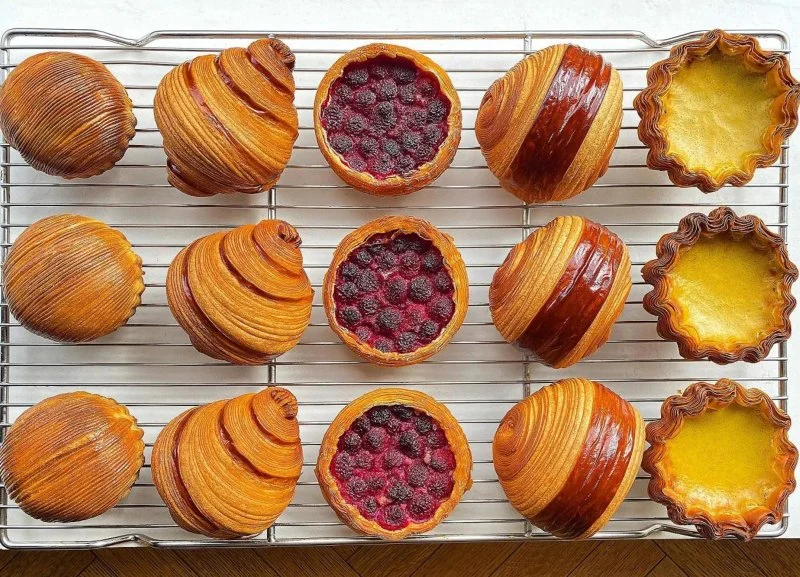
How to Make Classic French Pastry Recipes at Home: A Beginner's Guide
- 1. Introduction to Classic French Pastries
- 2. Essential Ingredients for French Pastry Making
- 3. Step-by-Step Guide to Making Popular French Pastries
- 4. Common Mistakes to Avoid When Making French Pastry
- 5. Why Making French Pastries at Home is Worth the Effort
1. Introduction to Classic French Pastries
French pastries are renowned worldwide for their delicate flavors, flaky textures, and elegant presentations. If you’ve ever dreamed of creating classic French pastries in your own kitchen, you're in the right place. In this article, we'll explore the essentials of French pastry-making, including recipes that you can easily recreate at home. Whether you're preparing a delicate croissant or a rich éclair, French pastries offer an incredible opportunity to impress your guests and treat yourself to something truly special.

Julius Sturgis Pretzel Bakery / pretzel factory lititz pa
LititzLancaster CountyPennsylvania
219 E Main St, Lititz, PA 17543, USA
2. Essential Ingredients for French Pastry Making
Before diving into the kitchen, it's important to gather the right ingredients. While many French pastry recipes rely on simple components, the quality of your ingredients plays a crucial role in achieving that authentic taste and texture. Here’s what you’ll need for most classic French pastries:
- Butter: High-quality butter is essential for achieving that signature flaky, rich texture. Always choose unsalted butter for the best results.
- Flour: Use all-purpose flour for most pastries, but for certain delicate recipes like puff pastry, you may want to choose pastry flour, which has a lower protein content.
- Sugar: Granulated sugar is commonly used, but for specific recipes like crème pâtissière, you may need powdered sugar for a smoother consistency.
- Eggs: Eggs are used for both structure and richness in French pastries, from making dough to glazing the final product.
- Yeast: For recipes like croissants, yeast is necessary for leavening the dough and giving it that light, airy texture.
3. Step-by-Step Guide to Making Popular French Pastries
Now that you have your ingredients, let’s take a look at how to make a few popular French pastries that you can easily recreate at home.
L’Ami Bakery & Cafe / bakery in h mart
48-18 Northern Blvd, Long Island City, NY 11101, USA
Making Croissants
Croissants are a French classic known for their flaky layers and rich, buttery taste. While the process can be time-consuming, it’s well worth the effort.
- Prepare the dough: Mix your ingredients, and allow the dough to rise.
- Incorporate the butter: Roll the dough into a rectangle and fold in the butter, then refrigerate to keep it cold.
- Laminate the dough: Roll and fold the dough several times to create layers.
- Shape the croissants: Cut the dough into triangles and roll them into croissant shapes.
- Bake: Allow the croissants to rise and bake them until golden brown.
Making Éclairs
Éclairs are a favorite French dessert made from choux pastry, filled with crème pâtissière (pastry cream) and topped with a chocolate glaze. Here’s how to make them:
- Prepare the choux dough: Boil butter, water, and flour, then beat in the eggs to form a smooth dough.
- Piping and baking: Pipe the dough onto a baking sheet and bake until puffed and golden brown.
- Fill with pastry cream: Once cooled, slice open the éclairs and fill them with pastry cream.
- Glaze with chocolate: Coat the top of each éclair with a rich chocolate glaze for that signature shine.
4. Common Mistakes to Avoid When Making French Pastry
Making French pastries is an art form, and there are several common mistakes that can make or break your recipe. Here are a few things to keep in mind:
- Not Using the Right Butter: Using butter with a low fat content or salted butter can ruin the flavor and texture.
- Overworking the Dough: Overmixing or overhandling the dough can lead to tough pastries, especially for delicate items like croissants.
- Not Allowing the Dough to Rest: Resting the dough between steps is essential for achieving the proper texture and consistency.
- Ignoring the Temperature: Keep the dough cold and work in a cool kitchen to prevent the butter from melting prematurely.
5. Why Making French Pastries at Home is Worth the Effort
Making French pastries at home may seem daunting, but the rewards are well worth it. Not only do you get to enjoy the satisfaction of creating something from scratch, but the flavors and textures of homemade pastries are far superior to store-bought versions. Plus, it’s a wonderful way to impress friends and family or treat yourself to a special indulgence.
If you’re ready to dive into French pastry-making, check out our Heavenly Delights Bakery for all the tools and ingredients you’ll need to get started!
 Nagoya Bakery4.0 (25 reviews)
 The Quantum Baker0.0 (0 reviews)
 Valerio's Tropical Bake Shop4.0 (43 reviews)
 Manny's Bakeshop & Restaurant4.0 (19 reviews)
 Nanding's Bakery4.0 (368 reviews)
 Aloha Sunrise Granola5.0 (5 reviews)
 Bakery Reservation Notes: Time, Party, Access, and Contact
 Bakery Menu Portion Chec: A Heavenly Delights Bakery Reader Guide
 Bakery Service Charge Check: Bill, Tips, and Group Split
 Bakery Texture Guide: A Practical US Checklist
 Bakery Cake Quote: Size, Design, Pickup, and Allergen Notes
 Bakery Bread Crumb Check: Freshness, Cutting, and Serving