
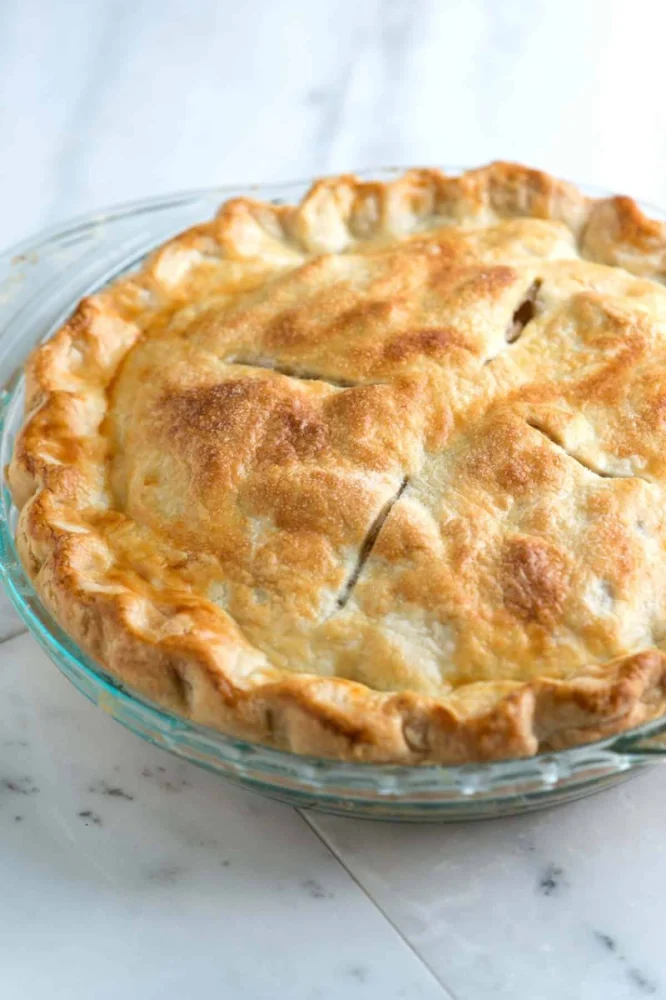
- 1- Why Pie Crust Matters for the Perfect Pie
- 2- Essential Ingredients for the Best Flaky Pie Crust
- 3- Techniques for Making the Perfect Flaky Pie Crust
- 4- Common Mistakes to Avoid When Making Pie Crust
- 5- Explore Delicious Pies at Heavenly Delights Bakery
1- Why Pie Crust Matters for the Perfect Pie
When it comes to making pies, the crust is just as important as the filling. A flaky, tender pie crust serves as the perfect base, enhancing the flavors of the pie and providing a satisfying contrast to the smoothness or sweetness of the filling. Whether you’re making a classic apple pie, a creamy custard pie, or a rich chocolate pie, the texture of the crust plays a significant role in the overall experience.
A perfectly baked pie crust should be crisp and light, not soggy or dense. Achieving that ideal texture can be challenging, but with the right ingredients and techniques, it’s entirely possible to make the best flaky pie crust that will have your guests asking for more.

Julius Sturgis Pretzel Bakery / pretzel factory lititz pa
LititzLancaster CountyPennsylvania
219 E Main St, Lititz, PA 17543, USA
2- Essential Ingredients for the Best Flaky Pie Crust
Making a flaky pie crust starts with choosing the right ingredients. Here’s a look at the key components that contribute to the perfect crust:
1. Flour
All-purpose flour is the most commonly used type of flour for pie crusts. It provides the right balance of structure and tenderness. Some bakers prefer to use a combination of all-purpose flour and pastry flour for an even flakier texture, but all-purpose flour alone works just fine for most pies.
2. Fat
The fat used in pie crust is crucial for achieving flakiness. Butter is a popular choice for its rich flavor, but shortening can also be used for a more neutral taste and a flakier texture. A combination of both butter and shortening is often recommended, as it provides the best of both worlds: flavor from the butter and flakiness from the shortening.
3. Cold Water
Cold water helps bind the dough together without activating the gluten too much, which can result in a tough crust. It’s important to use ice-cold water to keep the dough cool and prevent the fat from melting before baking.
4. Salt
Salt is essential for balancing the flavors in the crust. A small amount of salt enhances the overall taste of the pie and helps bring out the sweetness of the filling.

L’Ami Bakery & Cafe / bakery in h mart
48-18 Northern Blvd, Long Island City, NY 11101, USA
3- Techniques for Making the Perfect Flaky Pie Crust
Now that you have your ingredients, it’s time to focus on the techniques that will make your pie crust flaky and tender. Here are some tips to help you achieve that perfect crust:
1. Keep Everything Cold
Cold ingredients are key to creating a flaky crust. The fat needs to stay solid throughout the mixing process to create those delicate, flaky layers. Ensure that your butter and shortening are chilled before you begin. Also, try to use ice water, and if the dough starts to warm up, place it in the fridge for a few minutes before continuing.
2. Don’t Overwork the Dough
When making pie crust, it’s essential not to overwork the dough. Over-mixing or kneading will activate the gluten in the flour, which will lead to a tough crust. Instead, handle the dough gently and mix it until it just comes together. The goal is to keep the dough as tender as possible.
3. Use a Pastry Cutter or Fork
To incorporate the fat into the flour, use a pastry cutter or fork to cut the fat into the flour until the mixture resembles coarse crumbs. This process helps create the flaky texture. You can also use your hands, but be careful not to melt the fat with the warmth of your fingers.
4. Chill the Dough
Once the dough is mixed, wrap it in plastic wrap and refrigerate it for at least 30 minutes. Chilling the dough allows the fat to firm up again, which is crucial for maintaining that flaky texture. It also makes the dough easier to roll out.
4- Common Mistakes to Avoid When Making Pie Crust
Even with the best ingredients and techniques, there are some common mistakes that can ruin your pie crust. Here are a few pitfalls to avoid:
1. Using Warm Ingredients
As mentioned earlier, keeping your ingredients cold is essential for a flaky crust. If your fat or water is too warm, it can cause the dough to become soft and sticky, making it difficult to work with. Always use chilled fat and cold water for the best results.
2. Rolling the Dough Too Thin
Rolling the dough too thin can lead to a crust that’s too fragile and prone to breaking. Aim for a dough thickness of about 1/8 inch. This ensures the crust will be sturdy enough to hold your filling without cracking or becoming too dry.
3. Skipping the Chilling Step
Chilling the dough is critical for a successful pie crust. If you skip this step, the dough will be difficult to handle, and the fat will begin to melt before it has a chance to form those signature flaky layers. Always allow the dough to rest in the fridge before rolling it out.
5- Explore Delicious Pies at Heavenly Delights Bakery
If you’re not in the mood to bake your own pie, why not let the experts at Heavenly Delights Bakery do the work for you? Our bakery offers a variety of mouthwatering pies with flaky, homemade crusts that are made fresh daily. Whether you’re craving a classic apple pie, a rich pecan pie, or something more adventurous, we’ve got you covered.
Visit us today or order online to enjoy our delicious pies made with love and care. Let Heavenly Delights Bakery bring the joy of freshly baked pies to your table!

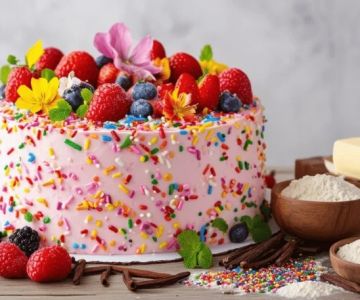
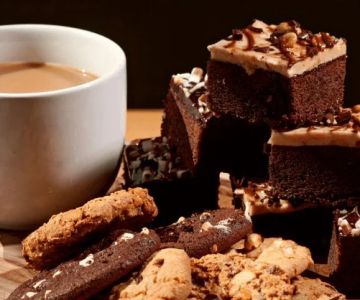
 Nagoya Bakery4.0 (25 reviews)
 The Quantum Baker0.0 (0 reviews)
 Valerio's Tropical Bake Shop4.0 (43 reviews)
 Manny's Bakeshop & Restaurant4.0 (19 reviews)
 Nanding's Bakery4.0 (368 reviews)
 Aloha Sunrise Granola5.0 (5 reviews)
 Bakery Service Charge Check: Bill, Tips, and Group Split
 Bakery Texture Guide: A Practical US Checklist
 Bakery Cake Quote: Size, Design, Pickup, and Allergen Notes
 Bakery Bread Crumb Check: Freshness, Cutting, and Serving
 Bakery Cupcake Pickup: Count, Box, and Safe Transport
 Bakery Whole-Grain Bread: Ingredients, Texture, and Freshness