
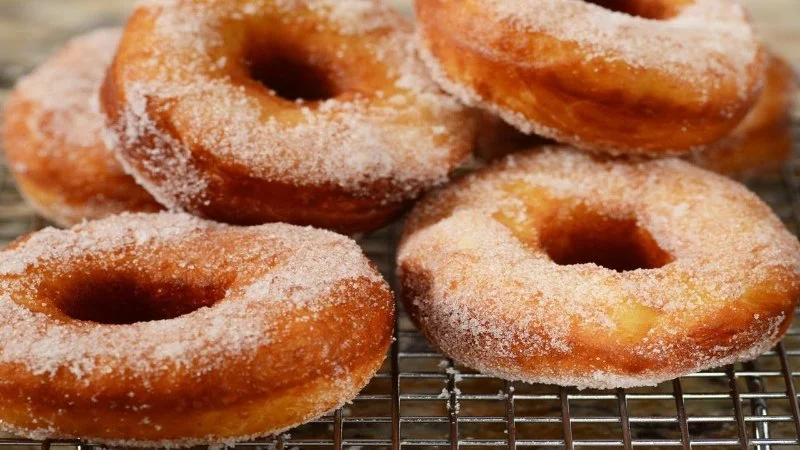
Bring Fresh, Fluffy Doughnut Shop Flavor Into Your Kitchen
- why-homemade-doughnuts-are-worth-it
- ingredients-that-create-bakery-style-results
- step-by-step-doughnut-making-method
- common-mistakes-that-ruin-homemade-doughnuts
- flavor-ideas-for-finish-and-filling
- how-to-get-better-results-every-time
1. Why Homemade Doughnuts Are Worth It
Learning how to make your own bakery-style doughnuts at home sounds ambitious at first, but once you make a batch successfully, it becomes one of those kitchen skills that feels surprisingly satisfying. Fresh doughnuts have a softness and warmth that store-bought versions rarely match. The outside has that delicate golden finish, the inside stays light and airy, and the glaze still has a slight sheen when you bite into it. That combination is exactly what makes bakery doughnuts so memorable.
There is also something genuinely fun about the process. The dough changes in your hands, the kitchen starts to smell sweet and buttery, and suddenly the whole experience feels closer to a weekend ritual than a baking project. During the last few years, homemade bakery-style recipes became especially popular online because people wanted comfort food that felt special without needing a professional pastry kitchen. Doughnuts were one of the recipes that kept showing up for a reason. When they are done well, they feel like a small celebration.

Julius Sturgis Pretzel Bakery / pretzel factory lititz pa
LititzLancaster CountyPennsylvania
219 E Main St, Lititz, PA 17543, USA
1.1 More Control Over Flavor and Texture
One of the biggest advantages of making homemade doughnuts is control. You choose whether they are lightly sweet, deeply glazed, filled with jam, rolled in cinnamon sugar, or finished with chocolate. You also control the texture. Some people prefer a fluffy yeast doughnut with a tender chew, while others love a richer cake-style doughnut. If your goal is true bakery-style doughnuts at home, yeast dough is usually the better route because it gives that classic pillowy interior people expect from a doughnut shop.

L’Ami Bakery & Cafe / bakery in h mart
48-18 Northern Blvd, Long Island City, NY 11101, USA
1.2 A Better Fresh-from-the-Kitchen Experience
Anyone who has had a warm doughnut five minutes after glazing knows the difference immediately. The crumb is softer, the aroma is fuller, and the sweetness tastes cleaner. That is the kind of result people are usually chasing when they search for how to make doughnuts from scratch rather than buying a box from the supermarket.
2. Ingredients That Create Bakery-Style Results
If you want doughnuts that truly feel bakery-made, the ingredient list matters more than most people think. The basics are simple, but quality and proportion shape the final result.
2.1 Flour, Yeast, and Dairy Build the Structure
All-purpose flour works for many recipes, but bread flour can create a slightly stronger dough with a better chew. Instant yeast or active dry yeast gives the dough lift and helps create that light interior. Warm milk adds richness and improves tenderness, while butter and eggs help create a dough that feels soft instead of dry. A little sugar in the dough improves flavor, but too much can make the dough heavy, so balance is important.
2.2 Salt Is Small but Essential
Salt is one of those ingredients that is easy to underestimate in sweet baking. In doughnuts, it sharpens flavor and keeps the sweetness from tasting flat. A doughnut without enough salt often tastes bland no matter how much glaze you add later.
2.3 Oil Temperature Changes Everything
Technically oil is not mixed into the dough, but it plays a huge role in the final product. If the frying oil is too cool, doughnuts absorb too much fat and become greasy. If the oil is too hot, the outside darkens too quickly while the center stays undercooked. This is one reason bakery-style doughnuts look easy until you actually try them. The small details matter.
3. Step-by-Step Doughnut-Making Method
The best way to approach homemade bakery doughnuts is to think of the process in stages instead of trying to rush through it all at once.
3.1 Mix and Knead the Dough Properly
Start by combining warm milk, yeast, a bit of sugar, eggs, butter, flour, and salt. Once the dough comes together, knead it until it turns smooth and elastic. This step matters because proper kneading develops the gluten structure that helps doughnuts puff beautifully during frying. The dough should feel soft and slightly tacky, not sticky and messy.
3.2 Let the Dough Rise Until It Looks Alive
Place the dough in a lightly greased bowl, cover it, and let it rise until doubled in size. This is where patience pays off. An under-proofed dough makes dense doughnuts, while a well-risen dough gives you that airy bakery-style interior. A warm kitchen helps, but avoid overheating the dough. Gentle warmth is better than aggressive heat.
3.3 Cut, Rest, and Fry
Roll the dough out to an even thickness and cut classic rounds with a center hole or leave them whole for filled doughnuts. After cutting, let the shapes rest again so they puff slightly before frying. This short second rise is one of the secrets behind doughnuts that feel light instead of tight. Fry in batches, keeping the oil temperature steady. Most home cooks find that a medium golden color on each side is the sign they are ready.
3.4 Glaze While They Are Still Slightly Warm
A simple glaze made from powdered sugar, milk, and vanilla works beautifully. Dip the doughnuts while they are still warm enough to absorb a little of the glaze but not so hot that it melts completely off. This creates the classic shiny coating people associate with bakery doughnuts.
4. Common Mistakes That Ruin Homemade Doughnuts
Most disappointing homemade doughnuts can be traced back to just a few common issues.
4.1 Rushing the Rise
The most common mistake is impatience. People want doughnuts quickly, so they cut the proofing time short. The result is usually a doughnut that looks fine from the outside but feels heavy once you bite into it. Good dough needs time to develop flavor and texture.
4.2 Using Too Much Flour
It is tempting to keep adding flour if the dough feels soft, but too much flour creates a dry and bready result. Doughnut dough should feel supple and slightly soft. That softness is part of what gives the final doughnut its delicate crumb.
4.3 Ignoring Temperature
Both dough temperature and oil temperature matter. A cold dough rises slowly and unevenly. Oil that swings wildly in temperature creates inconsistent batches, which is why a thermometer is more helpful than people expect. It turns guesswork into something manageable.
5. Flavor Ideas for Finish and Filling
Once you master the base recipe, making bakery-style doughnuts at home becomes much more creative.
5.1 Classic Finishes That Always Work
Vanilla glaze is the familiar favorite, but cinnamon sugar, chocolate glaze, maple glaze, and powdered sugar are all reliable choices. If you want something that feels especially bakery-inspired, try a vanilla bean glaze with a pinch of salt. It tastes more balanced and a little more polished than plain sugar glaze.
5.2 Filled Doughnuts Feel Extra Special
Raspberry jam, lemon curd, pastry cream, and chocolate hazelnut filling all work beautifully. Filled doughnuts require a little more effort, but they are often the ones people remember most. One home baker shared online that she started making filled doughnuts for Sunday brunch after realizing the boxed bakery version never had enough filling. That comment resonated with a lot of people because it captures the real appeal of making them yourself: you can make them exactly the way you wish bakeries would.
6. How to Get Better Results Every Time
If your first batch is not perfect, that does not mean the recipe failed. Doughnuts are one of those bakes that improve fast once you understand the rhythm.
6.1 Take Notes Like a Real Baker
Write down how long your dough rose, how warm your kitchen was, what oil temperature worked best, and which glaze ratio you preferred. Professional bakers rely on consistency, and even a simple notebook can make a surprising difference at home.
6.2 Invest in a Few Useful Tools
You do not need a commercial kitchen, but a dough cutter, thermometer, rolling pin, and wire rack make the process smoother. Small upgrades usually lead to better results because they remove unnecessary frustration. If you plan to make homemade doughnuts more than once, good tools are worth having.
6.3 Keep Exploring Better Baking Methods
The more you learn about mixing, proofing, frying, and glazing, the easier it becomes to create doughnuts that really do look and taste bakery-made. If you want to keep improving your results, explore more baking ideas, ingredient guides, and kitchen essentials that help you make bakery-style doughnuts at home with more confidence and consistency. The right inspiration and tools can turn a good batch into one that feels truly shop-worthy.
Once you know how to make your own bakery-style doughnuts at home, it becomes very hard to go back to average ones. Fresh texture, better flavor, and the freedom to customize every detail make the effort worth it. If you are ready to take the next step, learn more, compare useful baking tools, and discover products that can help you create even better homemade doughnuts in your own kitchen.





 Nagoya Bakery4.0 (25 reviews)
 The Quantum Baker0.0 (0 reviews)
 Valerio's Tropical Bake Shop4.0 (43 reviews)
 Manny's Bakeshop & Restaurant4.0 (19 reviews)
 Nanding's Bakery4.0 (368 reviews)
 Aloha Sunrise Granola5.0 (5 reviews)
 Bakery Celebration Cake Pickup: Size, Travel, and Timing
 Bakery Bread Storage: Crust, Moisture, and Freezing Guide
 Bakery Reservation Notes: Time, Party, Access, and Contact
 Bakery Menu Portion Chec: A Heavenly Delights Bakery Reader Guide
 Bakery Service Charge Check: Bill, Tips, and Group Split
 Bakery Texture Guide: A Practical US Checklist