
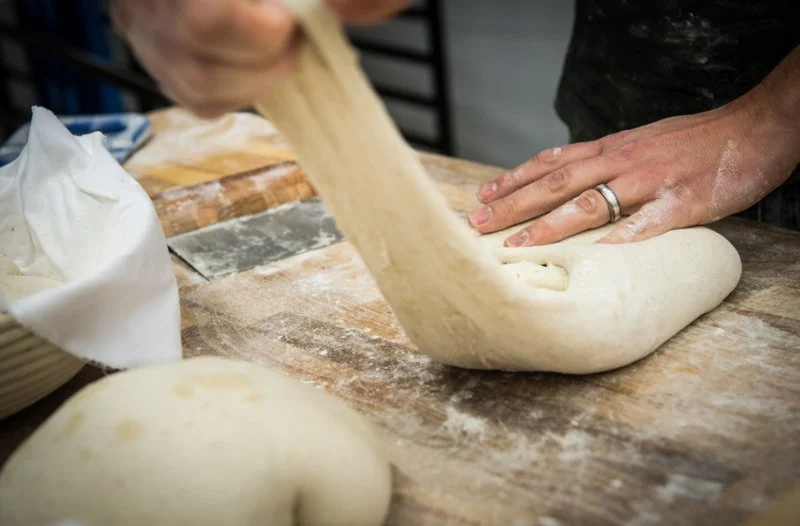
Mastering the Art of Bread Rising in Your Bakery
- 1-understanding-yeast-and-fermentation
- 2-choosing-the-right-flour-and-ingredients
- 3-optimal-kneading-and-dough-handling
- 4-controlling-temperature-and-humidity
- 5-timing-the-proofing-process
- 6-common-mistakes-to-avoid
- 7-case-studies-from-successful-bakeries
- 8-enhancing-consistency-with-technology
- 9-final-tips-for-professional-bread-rise
- 10-invitation-to-explore-products-and-tools
1. Understanding Yeast and Fermentation
Yeast is the heart of bread rising. Understanding how yeast activates and interacts with flour and water is essential for achieving professional-quality bread. Proper fermentation allows the dough to develop flavor, texture, and the ideal rise.

Julius Sturgis Pretzel Bakery / pretzel factory lititz pa
LititzLancaster CountyPennsylvania
219 E Main St, Lititz, PA 17543, USA
1.1 Yeast Activation Techniques
Using warm water at the correct temperature (around 105–115°F) helps activate yeast efficiently. Adding a pinch of sugar can jumpstart the fermentation process.

L’Ami Bakery & Cafe / bakery in h mart
48-18 Northern Blvd, Long Island City, NY 11101, USA
1.2 Fermentation Timing
Allowing dough to rest for adequate periods is crucial. Short fermentation can lead to dense bread, while over-fermentation can produce a sour taste and collapse the structure.
2. Choosing the Right Flour and Ingredients
The type of flour and quality of ingredients significantly impact dough elasticity and rise.
2.1 High-Protein Flour
Bread flour with high gluten content ensures strong dough structure, supporting the rise and preventing collapse.
2.2 Fresh Ingredients
Using fresh yeast, quality water, and unprocessed salts enhances fermentation and ensures consistent results.
3. Optimal Kneading and Dough Handling
Proper kneading develops gluten, which traps gas produced during fermentation and leads to a strong, airy structure.
3.1 Techniques for Kneading
Use a combination of stretching and folding techniques. Avoid over-kneading as it can make dough too tough, inhibiting proper rise.
3.2 Dough Resting Periods
Allow the dough to relax after kneading to improve elasticity, which helps the bread expand evenly during baking.
4. Controlling Temperature and Humidity
Environmental factors in your bakery play a crucial role in bread rising.
4.1 Warm Environment
Maintain a warm, draft-free area for proofing. Temperature around 75–80°F is ideal for most bread types.
4.2 Proper Humidity
Humidity prevents the dough surface from drying out, allowing uniform expansion and avoiding a crusty exterior too early in the rising process.
5. Timing the Proofing Process
Proofing, the final rise before baking, is critical for texture and volume.
5.1 Single vs. Double Proof
Some bread recipes benefit from a double proof. The first rise develops flavor and gas, while the second ensures perfect volume and texture.
5.2 Observing Dough Behavior
Professional bakers often rely on visual cues: dough should double in size and feel soft yet elastic. Avoid relying solely on timers.
6. Common Mistakes to Avoid
Even experienced bakers sometimes encounter issues that prevent optimal rise.
6.1 Overproofing
Allowing dough to rise too long can weaken the gluten network, causing collapse.
6.2 Underproofing
Skipping proper fermentation leads to dense, chewy bread lacking volume and flavor.
7. Case Studies from Successful Bakeries
A local bakery in New York improved bread volume by adjusting fermentation temperatures and switching to high-protein flour. Customers reported a noticeable difference in texture and taste, leading to increased sales.
8. Enhancing Consistency with Technology
Using proofing cabinets with controlled temperature and humidity ensures uniform results, especially during peak hours. Digital scales and timers help maintain precise measurements and timings for large batches.
9. Final Tips for Professional Bread Rise
Consistency, observation, and patience are key. Regularly monitoring dough, adjusting environmental conditions, and using high-quality ingredients can transform your bakery’s bread from good to exceptional.
10. Invitation to Explore Products and Tools
For bakers looking to elevate their craft, explore professional-grade yeast, high-protein flours, and proofing tools at Bakery Pro Supplies. Investing in quality products ensures your bread rises like a professional every time. Click to discover the latest products and tips to enhance your bakery’s success.






 Nagoya Bakery4.0 (25 reviews)
 The Quantum Baker0.0 (0 reviews)
 Valerio's Tropical Bake Shop4.0 (43 reviews)
 Manny's Bakeshop & Restaurant4.0 (19 reviews)
 Nanding's Bakery4.0 (368 reviews)
 Aloha Sunrise Granola5.0 (5 reviews)
 Bakery Celebration Cake Pickup: Size, Travel, and Timing
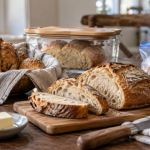 Bakery Bread Storage: Crust, Moisture, and Freezing Guide
 Bakery Reservation Notes: Time, Party, Access, and Contact
 Bakery Menu Portion Chec: A Heavenly Delights Bakery Reader Guide
 Bakery Service Charge Check: Bill, Tips, and Group Split
 Bakery Texture Guide: A Practical US Checklist