
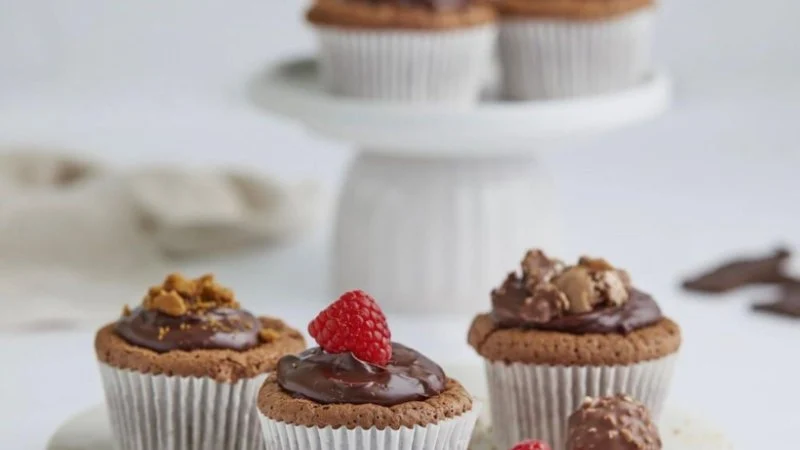
From Tin Pans to Modern Sweet Icons: The Cupcake Journey Through Time
- cupcake origins-history of early recipes and baking methods
- industrial baking-cupcakes becoming a household dessert staple
- american bakery culture-how cupcakes entered mainstream bakeries
- modern cupcake boom-social media and boutique bakeries
- today’s cupcake market-why cupcakes remain a bakery favorite
Early Baking Traditions That Gave Birth to Cupcakes
Long before cupcakes became the brightly frosted treats we see in bakeries today, they were born out of practicality rather than indulgence. Early American home bakers in the late 18th and early 19th centuries needed desserts that were simple, quick, and easy to portion. Instead of elaborate layered cakes, they experimented with small, individual-sized portions baked in ceramic cups or tin molds.
This early form of what we now call cupcakes was not initially named “cupcake” because of its appearance, but rather due to the measurement system used. Ingredients were often measured in cups—one cup of butter, two cups of sugar, three cups of flour—making recipes accessible even for inexperienced cooks. This simplicity played a huge role in shaping what would eventually become a global dessert category.
In many rural American households, baking was done over wood-fired ovens, and consistency was hard to achieve. Smaller cakes reduced baking time and allowed families to enjoy fresh desserts without the risk of burning a full-sized cake. These humble beginnings laid the foundation for what would become one of the most iconic bakery staples in the world.

Julius Sturgis Pretzel Bakery / pretzel factory lititz pa
LititzLancaster CountyPennsylvania
219 E Main St, Lititz, PA 17543, USA
The Industrial Revolution and the Standardization of Sweet Treats
As the Industrial Revolution reshaped food production in the United States, baking tools and ingredients became more widely available. Metal baking tins, refined sugar, and baking powder transformed home baking into a more predictable process. Cupcakes benefited significantly from these innovations.
By the mid-19th century, cupcakes began appearing in printed cookbooks, often referred to as “number cakes” or “1234 cakes,” based on their simplified ingredient ratios. This era marked a turning point where cupcakes transitioned from home experiments into standardized recipes shared across households.
One particularly interesting development during this time was the rise of community cookbooks compiled by church groups and women’s societies. These cookbooks helped spread cupcake recipes across regions, making them a common household dessert across America. The consistency of recipes allowed cupcakes to evolve from a rustic treat into a reliable dessert option.
L’Ami Bakery & Cafe / bakery in h mart
48-18 Northern Blvd, Long Island City, NY 11101, USA
How Cupcakes Became a Symbol of American Bakery Culture
By the early 20th century, cupcakes had firmly entered American bakery culture. Bakeries began selling them alongside pies, donuts, and layered cakes. Their portability made them ideal for school lunches, picnics, and social gatherings.
A major turning point came during the post-World War II economic boom. With increased household incomes and the rise of commercial bakeries, cupcakes became more decorative and indulgent. Frosting became thicker, flavors became more diverse, and presentation started to matter as much as taste.
A well-known anecdote from this era involves small-town bakeries in the Midwest that would compete during county fairs, each showcasing unique cupcake designs. These competitions helped elevate cupcakes from simple desserts to artistic bakery creations.
Today, cupcakes are considered a core bakery staple dessert in the United States, often sitting at the front counter of nearly every local bakery, inviting customers with colorful frosting and creative toppings.
The Modern Cupcake Boom and Boutique Bakery Era
The 2000s brought a dramatic shift in cupcake popularity, often referred to as the “cupcake boom.” Television shows, food blogs, and social media platforms turned cupcakes into visual art pieces. Bakeries like boutique cupcake shops in New York and Los Angeles transformed the industry by offering gourmet flavors such as red velvet cheesecake, salted caramel espresso, and lavender honey.
This period also saw cupcakes become emotionally tied to celebrations. Birthdays, weddings, baby showers, and corporate events increasingly featured customized cupcakes instead of traditional cakes. Their individual serving size made them practical and visually appealing.
A notable cultural moment occurred when cupcake-focused bakeries became tourist attractions, with people lining up for hours to try limited-edition flavors. This phenomenon demonstrated how far cupcakes had evolved from their humble origins.
For baking enthusiasts and small bakery owners looking to recreate or innovate within this space, resources like Dine Droop can help explore ingredient sourcing, baking tools, and bakery inspirations that align with modern dessert trends.
Social Media’s Role in Making Cupcakes a Global Trend
Platforms like Instagram and Pinterest reshaped how desserts are perceived. Cupcakes, with their photogenic frosting swirls and decorative toppings, became one of the most shared desserts online. This visual appeal significantly contributed to their global popularity.
The rise of “food aesthetics” encouraged bakers to experiment with colors, textures, and themes. Unicorn cupcakes, galaxy-themed frosting, and minimalist monochrome designs became viral sensations. In many ways, cupcakes became not just food but a form of digital expression.
Interestingly, data from global search trends shows that cupcake-related queries continue to remain consistently high, proving that their popularity is not just a passing trend but a sustained cultural phenomenon.
Home Baking vs. Professional Bakery Craft
While cupcakes are widely available in bakeries, home baking remains an essential part of their story. Many families in the United States continue to pass down cupcake recipes through generations. These homemade versions often carry sentimental value that store-bought cupcakes cannot replicate.
Professional bakeries, on the other hand, focus on innovation and consistency. They invest in high-quality ingredients, precision baking equipment, and advanced decorating techniques. The contrast between home and bakery cupcakes highlights the versatility of this dessert.
A personal observation from baking communities shows that beginners often start with cupcakes because of their forgiving nature. Unlike layered cakes, minor imperfections in cupcakes are easily covered with frosting, making them ideal for learning baking skills.
Cultural Meaning and Emotional Connection Behind Cupcakes
Cupcakes have evolved into more than just desserts; they represent celebration, comfort, and creativity. In many American households, cupcakes are associated with childhood memories, school parties, and family gatherings.
Psychologically, their individual portion size creates a sense of personal indulgence. Unlike shared cakes, each cupcake feels like a small, complete experience. This emotional connection plays a significant role in their continued popularity.
Even in modern culinary discussions, cupcakes are often cited as a perfect example of how simplicity can evolve into cultural significance over time.
The Future of Cupcakes in the Bakery Industry
Looking ahead, cupcakes are expected to remain a strong presence in the bakery industry. Trends suggest a growing demand for healthier variations, including gluten-free, vegan, and reduced-sugar options. At the same time, gourmet and luxury cupcake segments continue to expand.
Innovation is also shaping presentation styles. Interactive cupcakes with hidden fillings, multi-layered flavors, and fusion-inspired recipes are becoming more common in high-end bakeries.
For bakery owners and dessert enthusiasts, staying updated with evolving customer preferences is essential. Exploring curated bakery resources through platforms like Dine Droop can help in understanding market trends and sourcing inspiration for new creations.
A Dessert That Refuses to Fade Away
From simple kitchen experiments to globally recognized bakery icons, cupcakes have traveled an extraordinary path. Their adaptability, simplicity, and emotional appeal have allowed them to remain relevant across centuries.
Whether enjoyed at a family gathering, purchased from a boutique bakery, or shared on social media, cupcakes continue to represent joy in a small, perfectly portioned form. Their story is still being written in bakeries, kitchens, and dessert shops around the world.
 Nagoya Bakery4.0 (25 reviews)
 The Quantum Baker0.0 (0 reviews)
 Valerio's Tropical Bake Shop4.0 (43 reviews)
 Manny's Bakeshop & Restaurant4.0 (19 reviews)
 Nanding's Bakery4.0 (368 reviews)
 Aloha Sunrise Granola5.0 (5 reviews)
 Bakery Reservation Notes: Time, Party, Access, and Contact
 Bakery Menu Portion Chec: A Heavenly Delights Bakery Reader Guide
 Bakery Service Charge Check: Bill, Tips, and Group Split
 Bakery Texture Guide: A Practical US Checklist
 Bakery Cake Quote: Size, Design, Pickup, and Allergen Notes
 Bakery Bread Crumb Check: Freshness, Cutting, and Serving