
What Great Bakers Know About Making Pie Crust That Shatters and Melts
- -Why Flaky Pie Crust Happens in the First Place
- -Choosing Ingredients That Create Tender Layers
- -Handling the Dough Without Ruining the Texture
- -Rolling, Chilling, and Baking With Better Control
- -A Real Baking Story That Changed One Home Baker’s Results
- -How to Get Better Results Every Time You Bake
1. Why Flaky Pie Crust Happens in the First Place
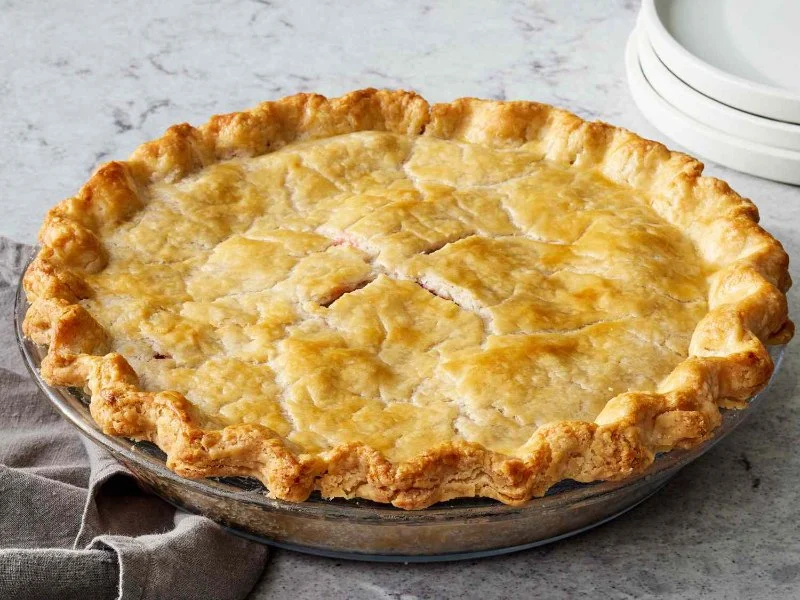
Anyone who has ever pulled a pie out of the oven and hoped for that delicate, golden crackle has probably wondered about the secret to perfectly flaky pie crusts: tips from expert bakers are often less mysterious than people expect. The biggest difference usually comes down to understanding what flakiness really is. It is not luck, and it is not just a “good recipe.” It is the result of tiny layers of fat trapped in dough that release steam in the oven and separate into crisp, tender sheets.

Julius Sturgis Pretzel Bakery / pretzel factory lititz pa
LititzLancaster CountyPennsylvania
219 E Main St, Lititz, PA 17543, USA
1.1 What Expert Bakers Mean by “Flaky”
A flaky crust is not the same as a crumbly crust. Crumbly dough may fall apart, but a truly flaky crust breaks into thin layers. That layered structure is what gives a pie a bakery-style finish. Professional bakers talk about texture in very physical terms: the dough should feel cool, the fat should stay distinct, and the finished crust should hold its shape while still feeling light when bitten into.
L’Ami Bakery & Cafe / bakery in h mart
48-18 Northern Blvd, Long Island City, NY 11101, USA
1.2 Why Temperature Matters More Than Most People Think
One of the oldest baking truths still holds up: warm dough is usually the enemy of flakiness. When butter or shortening melts before the pie goes into the oven, the layers disappear before they ever have a chance to form. That is why chilled ingredients, a cool kitchen, and short handling times matter so much. It sounds simple, but it is often the detail that separates a tough homemade crust from one that feels genuinely impressive.
1.3 The Mistake Many Home Bakers Repeat
A very common habit is overworking dough because it looks too rough in the bowl. Expert bakers actually expect pie dough to look a little imperfect before resting. If it looks too smooth too early, that often means the flour has been overhydrated or the gluten has been pushed too far. Ironically, the dough that worries beginners the most often bakes up the best.
2. Choosing Ingredients That Create Tender Layers
When people search for the secret to perfectly flaky pie crusts: tips from expert bakers, they often focus on technique and overlook ingredient behavior. But ingredients do not just add flavor. They affect structure, moisture, browning, and tenderness in very specific ways.
2.1 Butter, Shortening, or a Mix
Butter gives beautiful flavor and excellent browning, which is why many bakers refuse to give it up. Shortening, however, has a reputation for creating tenderness because it melts differently and can be easier to work with. Many experienced pie bakers use both. Butter brings taste, while shortening adds insurance against toughness. That combination is not cheating. It is simply practical baking.
2.2 Flour Choice Is More Important Than It Looks
All-purpose flour is the standard choice because it strikes a workable balance between strength and tenderness. Bread flour can create too much chew. Some bakers mix in a little pastry flour for an even softer result, but the real point is consistency. A pie crust recipe can only become dependable if the flour behaves predictably every time.
2.3 Water Should Be Cold, but Also Measured Carefully
Cold water helps keep the fat firm, but the amount matters just as much as the temperature. Too little water leaves dry patches that crack when rolled. Too much water develops extra gluten and makes the dough dense. Expert bakers often add water one spoonful at a time and stop the moment the dough can hold together when pressed. That small pause in judgment is one of the quiet skills behind great crusts.
2.4 Salt, Sugar, and Small Flavor Decisions
Salt sharpens flavor, even in sweet pies. A little sugar can help browning, though too much may make the crust harder to handle. Some bakers add a splash of vinegar or vodka because they believe it helps control gluten development. These additions can be useful, but they do not rescue bad handling. They work best when the fundamentals are already in place.
3. Handling the Dough Without Ruining the Texture
This is where many pie crusts succeed or fail. The secret to perfectly flaky pie crusts: tips from expert bakers almost always comes back to restraint. Good pie dough is not bullied into shape. It is guided gently.
3.1 Cutting Fat Into Flour the Right Way
Whether using a pastry cutter, fingertips, or a food processor, the goal is not to make the mixture uniformly sandy. Some pieces of fat should remain larger, about the size of peas or slightly flatter. Those larger bits are what later create visible flakes. If the mixture becomes too fine, the finished crust may still be tender, but it will not have that layered lift.
3.2 Why Resting the Dough Changes Everything
Resting dough in the refrigerator gives the flour time to hydrate and the gluten time to relax. It also re-chills the fat. This single step can fix several problems at once: shrinkage, cracking, and toughness. Professional bakers are patient here because they know rushed dough tends to fight back on the counter.
3.3 The Rolling Stage Is Not Just About Thickness
Rolling pie dough is really about control. Too much flour on the surface dries the dough. Too little makes it stick and tear. Too much pressure compresses the layers you worked to preserve. Good bakers roll from the center outward, rotate the dough often, and stop once the thickness is even. They do not keep rolling just to make the circle prettier.
3.4 What To Do When the Dough Starts Misbehaving
If the butter softens, chill the dough. If the dough cracks at the edges, let it warm for a minute and try again. If it sticks, lift it gently and dust only what is necessary. This is where experience grows. Expert baking is often just calm problem-solving instead of perfect execution on the first try.
4. Rolling, Chilling, and Baking With Better Control
Even well-made dough can disappoint if the final stages are rushed. The secret to perfectly flaky pie crusts: tips from expert bakers includes knowing that the oven is not the only place where results are decided. Most of the final texture is set before baking even begins.
4.1 Why a Final Chill Before Baking Helps
After the crust is fitted into the pie dish, another chill helps firm the fat again and reduces shrinking. This is especially important in warm kitchens or during holiday baking, when dough often sits out longer than expected. A properly chilled shell enters the oven with structure still intact.
4.2 Blind Baking Without Guesswork
For custard pies or recipes with wet fillings, blind baking can prevent a soggy bottom. The trick is not only using pie weights, but also baking long enough for the crust to set before the weights come out. Many underbaked crusts look pale and technically “done,” yet never become crisp after filling is added.
4.3 Oven Heat and Pan Choice
A strong initial oven temperature helps activate steam and set layers fast. Glass pans let bakers monitor bottom browning, while metal pans often heat more quickly. Neither is automatically superior. The better choice is the one you learn to read well in your own oven.
4.4 Small Finishing Details That Matter
An egg wash can add shine and color. Coarse sugar can improve both texture and appearance for top crusts. Venting matters more than people think because trapped steam from filling can make the crust soggy or uneven. These are small details, but together they create the kind of pie people remember.
5. A Real Baking Story That Changed One Home Baker’s Results
A friend of mine used to make excellent fillings and disappointing crusts. Her apple pies smelled wonderful, looked promising, and then sliced like cardboard. She assumed the problem was the recipe, so she kept changing recipes. More butter. Less butter. Special flour. Expensive rolling pin. Nothing fixed it.
5.1 What She Thought the Problem Was
She believed flaky crust depended on a secret ingredient. That is a very common assumption, especially after reading dozens of online recipes that promise miracle results. In reality, her dough was being overmixed, overwatered, and rolled after it had already warmed up on the counter.
5.2 What Finally Worked
She changed only three things. First, she left visible butter pieces in the dough. Second, she chilled the dough twice instead of once. Third, she stopped trying to make the dough look perfectly smooth. The next pie was noticeably different. The crust had layers, the edges browned better, and the slices finally held together without feeling heavy.
5.3 Why This Story Resonates With So Many Bakers
It reflects a pattern seen again and again in home kitchens. People often assume better baking comes from buying more gear or finding a more complicated recipe. In pie making, better results usually come from respecting texture, temperature, and timing. That is why so many expert bakers sound almost old-fashioned in their advice. They are not being vague. They are repeating what consistently works.
6. How to Get Better Results Every Time You Bake
If you want more than a one-time success, the real goal is building a process you trust. The secret to perfectly flaky pie crusts: tips from expert bakers is not about chasing perfection in a single afternoon. It is about learning what your dough looks like, how your kitchen behaves, and which small choices improve the outcome.
6.1 Repeat the Same Method Before Changing Recipes
Many bakers switch recipes too fast. A smarter approach is to repeat one solid method several times and change only one variable at a time. That teaches you far more than hopping from recipe to recipe. Once your hands know the texture of properly mixed dough, your results become much more reliable.
6.2 Keep Notes Like a Serious Baker
Write down whether the butter got too soft, whether the dough cracked, whether the bottom browned enough, and whether the crust shrank. These notes sound small, but they build real baking intuition. Professionals do this constantly, even when they no longer need to think much about it.
6.3 Use Good Tools, but Do Not Depend on Them
A decent rolling pin, a sturdy pie dish, parchment, and pie weights all help. Still, tools do not replace technique. The baker who learns dough behavior will almost always outperform the baker who owns the fanciest equipment but rushes the process.
6.4 Where Curiosity Naturally Leads Next
Once you understand how flakiness is built, you start noticing the value of better butter, better bakeware, and well-tested baking tools. That is the point where many readers naturally want to explore more, compare options, and upgrade selectively rather than impulsively. If you are serious about mastering The Secret to Perfectly Flaky Pie Crusts: Tips from Expert Bakers, this is a smart moment to learn more about the tools and ingredients experienced bakers rely on, and to take a closer look at products that can make each batch more consistent, more beautiful, and a lot more satisfying to serve.

 Nagoya Bakery4.0 (25 reviews)
 The Quantum Baker0.0 (0 reviews)
 Valerio's Tropical Bake Shop4.0 (43 reviews)
 Manny's Bakeshop & Restaurant4.0 (19 reviews)
 Nanding's Bakery4.0 (368 reviews)
 Aloha Sunrise Granola5.0 (5 reviews)
 Bakery Celebration Cake Pickup: Size, Travel, and Timing
 Bakery Bread Storage: Crust, Moisture, and Freezing Guide
 Bakery Reservation Notes: Time, Party, Access, and Contact
 Bakery Menu Portion Chec: A Heavenly Delights Bakery Reader Guide
 Bakery Service Charge Check: Bill, Tips, and Group Split
 Bakery Texture Guide: A Practical US Checklist