
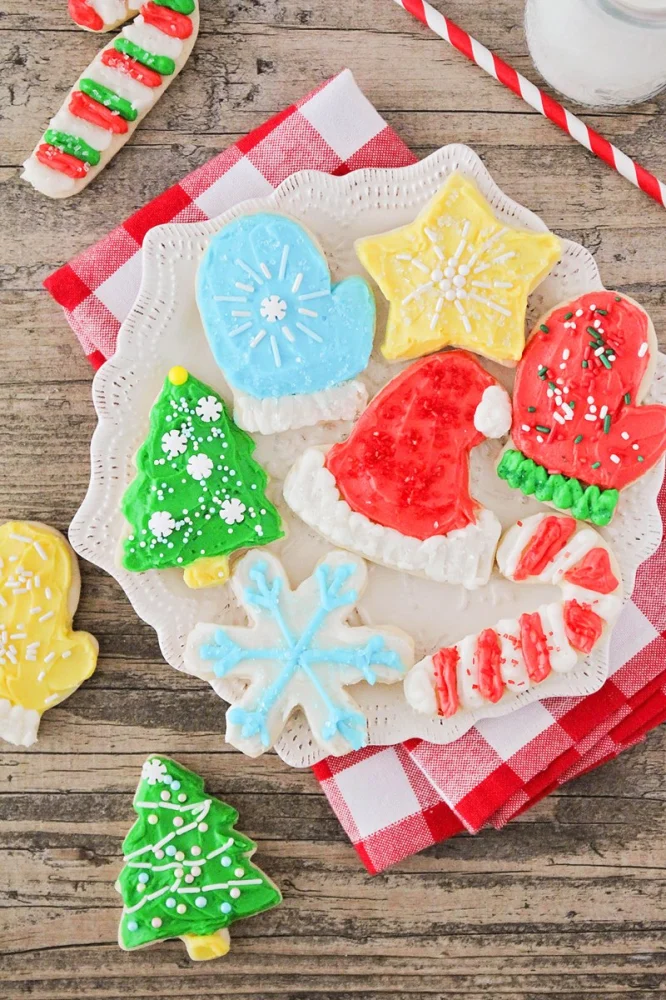
Bakery-Worthy Sugar Cookies at Home: A Step-by-Step Master Plan
- what-makes-sugar-cookies-taste-like-a-bakery
- ingredients-that-change-the-texture-and-flavor
- mixing-chilling-and-shaping-for-thick-soft-results
- baking-timing-and-troubleshooting-common-mistakes
- frosting-finishes-that-look-professional
- how-to-store-freeze-and-keep-them-fresh
- when-it-makes-sense-to-buy-tools-and-premix-to-level-up
1. What Makes Sugar Cookies Taste Like a Bakery
If you’ve ever picked up a pink-frosted sugar cookie from a grocery bakery and thought, “Why can’t mine do that?” you’re not alone. Bakery-style sugar cookies have a very specific personality: they’re thick but tender, sweet without tasting flat, and soft for days instead of turning into crunchy coasters by tomorrow morning.
Here’s the quiet secret that bakers don’t always say out loud: it’s not one magical ingredient. It’s a set of decisions that stack up. How you cream the butter, whether you chill the dough, how you portion the cookies, and when you pull them from the oven all matter. In other words, bakery results come from bakery habits.

Tous Les Jours / tous les jours bergenfield photos
BergenfieldBergen CountyNew Jersey
387 S Washington Ave, Bergenfield, NJ 07621, USA
1.1 Texture Goals You Should Actually Aim For
When people say “soft,” they often mean different things. For bakery-style sugar cookies, you want a soft interior with a delicate crumb, not cakey like a muffin and not chewy like a chocolate chip cookie. That texture comes from controlling gluten development and baking just until the edges set.

Cheri's Bakery / cheris bakery
BranfordSouth Central Connecticut Planning RegionConnecticut
1208 Main St, Branford, CT 06405, USA
1.2 Flavor That Doesn’t Taste Like Plain Sugar
A common home-baked sugar cookie problem is that it tastes sweet but not interesting. Bakeries usually boost flavor with a careful balance of vanilla, a hint of almond (optional but powerful), and enough salt to make everything pop instead of taste one-note.
2. Ingredients That Change the Texture and Flavor
A classic sugar cookie recipe can be made with pantry basics, but bakery-style sugar cookies are picky about ratios. If your cookies spread too thin or turn out dry, it’s often an ingredient balance issue, not your oven “being weird.”
2.1 Butter, Sugar, and the Creaming Moment
Butter gives flavor and tenderness, but it also controls spread. If your butter is too warm, your dough behaves like it’s already halfway melted. Aim for cool room temperature: you should be able to press a finger into the butter, but it shouldn’t look shiny or greasy.
Creaming butter and sugar isn’t just mixing. You’re incorporating air, which affects lift and texture. For bakery-style sugar cookies, cream until lighter in color and fluffy, but don’t chase a huge volume increase like you would for cake.
2.2 Flour Choices and Why Measuring Matters More Than You Think
Too much flour makes dry cookies. Too little makes pancake cookies. If you can use a kitchen scale, do it. If you’re using cups, fluff the flour, spoon it in, and level it off—don’t scoop straight from the bag unless you enjoy surprise results.
2.3 Eggs, Vanilla, and the Optional Almond “Bakery” Note
Eggs add structure and moisture. A full-sized egg is usually enough for a standard batch, but some bakers add an extra yolk for softness. Vanilla should be noticeable, not shy. Almond extract is optional, but even a small amount can create that nostalgic bakery aroma people recognize instantly.
2.4 Leavening and Salt: Small Ingredients, Big Outcomes
Baking powder gives gentle lift and keeps cookies soft. Baking soda can encourage browning and spread, so if your goal is pale, thick cookies, baking powder tends to be your friend. Salt isn’t negotiable—it’s the flavor amplifier that makes a sugar cookie taste like more than sugar.
3. Mixing, Chilling, and Shaping for Thick, Soft Results
This is where home bakers usually lose the bakery look. The dough can be delicious, but the cookie shape ends up thin, uneven, or cracked in a way that feels accidental rather than charming.
3.1 Mixing Technique That Prevents Tough Cookies
Once flour goes in, mix gently. Overmixing develops gluten, and gluten makes cookies tougher. You want “just combined” with no dry streaks. If you’re adding sprinkles or mix-ins, fold them in at the end.
3.2 Why Chilling Is the Cheat Code for Bakery-Style Sugar Cookies
Chilling firms up the fat, hydrates the flour, and reduces spreading. If you only have time for one “extra” step, chill the dough. Even 30–60 minutes helps. If you can chill longer, you’ll notice the dough becomes easier to handle and bakes more consistently.
3.3 Portioning and Shaping Like a Bakery
Bakeries use scoops for a reason: consistency. Portion the dough into equal balls, then slightly flatten them so they bake into a thick round cookie instead of a tall dome. For the classic “smooth top,” roll the portioned dough ball between your palms briefly to seal cracks.
If you want that signature bakery height, slightly underbake and let the cookies finish setting on the hot pan. That carryover heat is not a myth—it’s the difference between soft centers and dry cookies.
4. Baking Timing and Troubleshooting Common Mistakes
Most sugar cookie heartbreak happens in the last five minutes. The oven is where good dough becomes great cookies—or where it gets bullied into dryness.
4.1 The “Looks Not Done” Moment You Have to Trust
Bakery-style sugar cookies should look slightly underdone in the center when you pull them. The edges should be set, but the middle should still look soft. If you wait until the tops look fully baked, you’ll almost always overshoot softness.
4.2 Why Cookies Spread Too Much
Spreading usually comes from warm dough, warm baking sheets, or too little flour. Another sneaky reason is over-creaming warm butter, which weakens dough structure. Chill dough, use a cool pan, and check your measurements.
4.3 Why Cookies Turn Out Dry
Dryness can come from too much flour, too long in the oven, or dough that wasn’t properly mixed (leading to uneven hydration). If you’re consistently getting dry cookies, start by shaving 1–2 minutes off your bake time and measuring flour more carefully.
4.4 A Real-Life “Cookie Crisis” That Changed My Method
A few years ago, I volunteered to bake sugar cookies for a school event. I made a double batch, got distracted, and baked the first tray “until they looked done.” They cooled into crisp, sad discs. The second tray I pulled earlier—when the centers still looked a little pale—and those were the ones parents asked about. Same recipe. Different timing. That day convinced me baking is less about rules and more about reading the cookie.
5. Frosting Finishes That Look Professional
That bakery vibe often comes from the finish. Frosting changes the whole experience—texture, sweetness, and visual appeal.
5.1 Choosing the Right Frosting Style
For bakery-style sugar cookies, a soft, creamy frosting is the classic choice. It should spread easily, set slightly on top, and stay tender underneath. A buttercream-style frosting works well, and adding a small amount of cream cheese can create a richer taste without making it overly tangy.
5.2 Getting the Smooth “Bakery Swirl” Without Fancy Skills
Use an offset spatula or the back of a spoon. Apply a generous dollop, then swirl lightly. The trick is confidence—if you overwork it, it starts looking messy. If you stop sooner, it looks intentional.
5.3 Color and Toppings Without Going Overboard
Pastel frosting, a pinch of sprinkles, or a light dusting of sugar can create that bakery display look. You don’t need a dozen toppings. Pick one detail that matches your vibe, and let the cookie do the rest.
6. How to Store, Freeze, and Keep Them Fresh
6.1 Keeping Soft Sugar Cookies Soft
Store cookies in an airtight container. If they’re unfrosted, you can add a slice of bread to the container to help maintain softness (the bread dries out first). If they’re frosted, use parchment between layers and avoid crushing the tops.
6.2 Freezing Dough and Baked Cookies
Bakery-style sugar cookies are freezer-friendly. Freeze portioned dough balls on a tray, then transfer to a bag. Bake from frozen with a small added bake time. For baked cookies, freeze unfrosted when possible, then frost after thawing for the best finish.
7. When It Makes Sense to Buy Tools and Premix to Level Up
If you’re baking these regularly—holidays, birthdays, fundraisers, or just because you like having a “cookie flex” ready—small upgrades can make the process easier and more consistent. A sturdy scoop, a silicone mat, and quality extracts can change your results more than most people expect.
And if you love the bakery look but don’t always have time for measuring and troubleshooting, there’s no shame in exploring well-reviewed baking kits, pro-style decorating tools, or premium mixes that are built to deliver that thick, soft texture consistently. The key is choosing options that match your goal: bakery-style sugar cookies that stay tender, frost beautifully, and make people ask, “Where did you buy these?”
If you’re ready to take the next step, look for products specifically designed for bakery-style sugar cookies—from high-quality vanilla and piping tools to curated kits that help you get the same results every batch. Learn more, compare what’s trending, and check out the latest options to make your next cookie run feel like a bakery display at home.





 Sky's the Limit Bridal Sweets4.0 (20 reviews)
 Cinnabon2.0 (107 reviews)
 Gentile's Bakery4.0 (1 reviews)
 The Kind Crust0.0 (0 reviews)
 Holy Sins Royal Bakehouse5.0 (85 reviews)
 Cinnabon3.0 (8 reviews)
 The Secret to Making Flaky Puff Pastry: Tips for Perfect Pastry Every Time
 The Best Bakeries You Have to Visit | Heavenly Delights Bakery
 How to Make the Best Vanilla Bean Cake from Scratch – Expert Baking Tips
 The Secret to Making Flaky Puff Pastry: Expert Tips for Perfect Results
 How to Make Perfect Lemon Poppy Seed Muffins
 How to Create Beautiful Cake Layers for Any Celebration