
The Simple Joy of Walking Into a Bakery for a Fresh Artisan Loaf
- #What-Makes-Artisan-Bread-Feel-Different - flavor - texture - craft
- #Why-A-Bakery-Beats-Store-Bought-Most-Days - freshness - ingredients - trust
- #How-Bakers-Create-That-Crackle-And-Chewy-Center - fermentation - technique - time
- #Choosing-The-Right-Loaf-For-Your-Meal - sourdough - baguette - sandwich
- #A-Real-Story-That-Changed-How-I-Buy-Bread - local-bakery - everyday-habit
- #How-To-Get-The-Most-From-Your-Bakery-Visit - storage - slicing - serving
- #Ready-To-Taste-The-Difference - homemade-artisan-bread - shop-now
1. What Makes Artisan Bread Feel Different
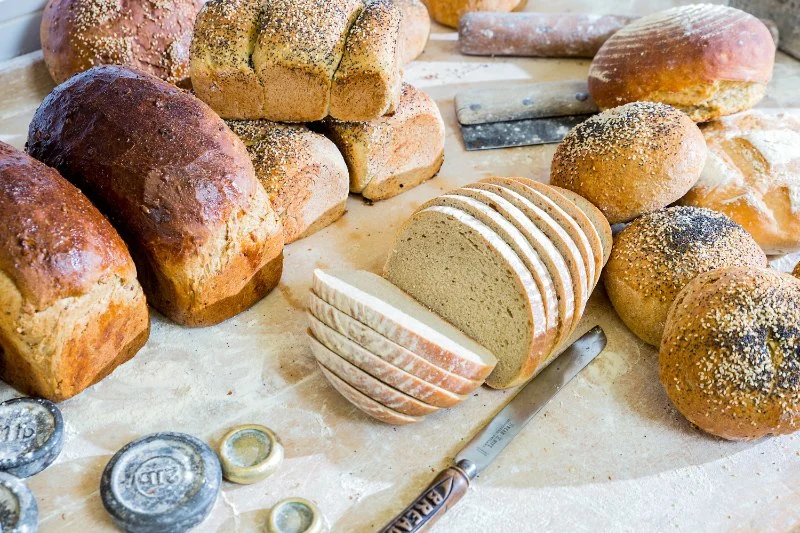
There’s a specific moment that’s hard to replicate: you open the bakery door, the bell chimes, and the air smells warm—like toasted grain, caramelized crust, and a faint whisper of butter even when there isn’t any butter involved. That experience is part of the reason people keep coming back. But the bigger reason is what’s in your hands five minutes later: homemade artisan bread that actually tastes alive.

Julius Sturgis Pretzel Bakery / pretzel factory lititz pa
LititzLancaster CountyPennsylvania
219 E Main St, Lititz, PA 17543, USA
1.1 It starts with real structure, not “soft fluff”
Good artisan bread has a personality. The crust crackles when you tear it. The inside is springy, not spongey. If you’ve ever brought home a grocery loaf that turned oddly dry by the next morning (or suspiciously “fresh” for a week), you already know the difference.

L’Ami Bakery & Cafe / bakery in h mart
48-18 Northern Blvd, Long Island City, NY 11101, USA
1.1.1 Why texture matters more than people think
Texture isn’t just mouthfeel—it’s a clue. A resilient crumb often means better fermentation and better ingredient quality. That fermentation is what builds flavor naturally, instead of relying on sugar, extra oils, or “dough conditioners” to make bread taste like something.
1.2 Flavor that feels layered, not loud
Homemade artisan bread isn’t about being fancy. It’s about tasting wheat the way it’s supposed to taste. A great sourdough has gentle tang. A baguette has a sweet, nutty finish. Even a simple country loaf can taste like toasted cereal and honey without adding either.
2. Why a Bakery Beats Store-Bought Most Days
If you’re wondering why you should visit a bakery for homemade artisan bread, the honest answer is this: bakeries are optimized for today. Most mass-market bread is optimized for shelf life, trucking, and consistency across hundreds of stores.
2.1 Freshness you can actually see
At a bakery, the proof is right in front of you. Loaves cool on racks. Flour dust sits on wooden boards. You can often watch staff pulling trays from the oven. Even if a shop bakes in batches throughout the day, you’re still buying bread that was made for near-term eating—like dinner tonight, brunch tomorrow, and maybe one last heroic slice the day after.
2.1.1 The “two-day rule” that makes life easier
Many bread lovers follow a simple habit: buy enough to enjoy fresh for two days, then freeze slices if needed. That approach works beautifully with artisan loaves because they reheat well and don’t rely on added softness to stay “pleasant.”
2.2 Ingredient transparency and trust
A bakery doesn’t have to be perfect to be better. Even a busy neighborhood shop tends to use fewer ingredients than factory loaves. You’re more likely to get flour, water, salt, yeast or starter—plus a few thoughtful additions when the loaf calls for it.
2.2.1 Why this matters for everyday eating
When bread is part of your routine—toast in the morning, sandwiches at lunch, soup at night—those ingredient choices add up. Bread with stronger fermentation and simpler ingredients often feels more satisfying, so you may find yourself eating less while enjoying it more.
3. How Bakers Create That Crackle and Chewy Center
People sometimes assume “artisan” means expensive or complicated. In reality, the magic is mostly patience. And yes, a few techniques that are hard to pull off in a factory schedule.
3.1 Fermentation is the quiet superhero
Time is what makes dough taste like bread instead of just baked flour paste. Longer fermentation gives yeast (or sourdough cultures) more time to develop aroma compounds. It’s the difference between a one-note loaf and one that tastes nutty, buttery, and lightly sweet—without adding those flavors directly.
3.1.1 Why “slow” often tastes better
In slow-fermented loaves, the dough becomes more elastic and structured, which helps create those signature open holes in the crumb. The crust also browns more evenly, bringing a deeper flavor that feels almost toasted.
3.2 Heat, steam, and timing
That shiny, blistered crust you see on a great loaf usually comes from baking with steam early in the process. Steam keeps the surface flexible so the loaf can expand properly, then it bakes off to leave a thin, crisp shell.
3.2.1 What you’re tasting when the crust “sings”
When a loaf cools, you might hear tiny crackling sounds. Bakers call it the crust singing. That sound is a good sign: it usually means the crust is thin, crisp, and baked with care.
4. Choosing the Right Loaf for Your Meal
Walking into a bakery can feel like choosing a book when you only have five minutes. Everything looks good. And if you pick wrong, it’s not a disaster—but picking right makes the meal feel effortlessly “put together.”
4.1 Matching bread to how you’ll eat it
Some loaves shine when torn and dipped; others are born for sandwiches. Instead of guessing, think about the next two meals you have planned.
4.1.1 A practical way to decide
1. If you’re making soup or stew, choose a rustic country loaf or sourdough for dipping and scooping.
2. If you want crisp slices and simple toppings, choose a baguette or batard with a thinner crumb.
3. If lunch is sandwiches, pick something slightly softer with a consistent structure so it holds fillings well.
4.2 Ask the baker the one question that never fails
If you’re unsure, ask: “What did you pull from the oven most recently?” You’ll usually get a confident recommendation, and you’ll walk out with bread at its best.
5. A Real Story That Changed How I Buy Bread
A few winters ago, a snowstorm hit my area and every grocery store aisle looked like it had been looted by hungry raccoons. The bread shelf was bare. On a whim, I walked to a small bakery nearby—one I’d passed a hundred times without stopping. They had loaves cooling, a line of people chatting, and a staff member who greeted everyone like they were regulars.
5.1 What surprised me wasn’t just the bread
Yes, the homemade artisan bread was incredible—warm crust, slightly tangy crumb, the kind of loaf that makes butter taste like an event. But the bigger surprise was how the bakery handled the rush. They explained what was ready now, what would be ready next, and how to store a loaf so it stayed good for tomorrow.
5.1.1 The habit that stuck
After that day, I started visiting a bakery once a week. Not as a “foodie” thing—more like a practical upgrade. A good loaf made quick dinners easier and weekend breakfasts feel special without extra work.
6. How to Get the Most From Your Bakery Visit
If you’re spending a little more for artisan bread bakery quality, you want it to pay off. The good news is it’s easy to make a loaf last longer and taste better with a few simple habits.
6.1 Storing it so it stays worth eating
A paper bag or bread box is often better than sealing the loaf in plastic right away. Plastic traps moisture, which can soften the crust and make it feel rubbery. If you like a crisp crust, let the bread breathe.
6.1.1 A simple routine that works
1. Keep the loaf at room temperature for the first day.
2. For day two, slice what you’ll use and keep the cut side down on a board or wrap lightly.
3. If you won’t finish it soon, freeze slices and reheat as needed.
6.2 Reheating without ruining it
To bring a loaf back to life, warm it gently in the oven. Even a few minutes can wake up the crust and make the crumb feel fresh again.
7. Ready to Taste the Difference
At the end of the day, the reason you should visit a bakery for homemade artisan bread is pretty simple: it turns ordinary meals into something you actually look forward to. The crust is better, the flavor is deeper, and the experience feels human—made by people who care about what they’re feeding their neighbors.
7.1 A natural next step if you’re curious
If you’ve been relying on packaged loaves out of convenience, try a small experiment this week. Visit a bakery, ask what’s fresh, and bring home one loaf that fits a meal you already plan to cook.
7.1.1 Make your next loaf a deliberate choice
To explore options and find the right style—whether you want a crackly baguette, a hearty sourdough, or a sandwich-friendly loaf—take a look at the latest selections and learn more about what makes truly homemade artisan bread worth it. Click this here to view the newest products and choose your next favorite loaf.





 Nagoya Bakery4.0 (25 reviews)
 The Quantum Baker0.0 (0 reviews)
 Valerio's Tropical Bake Shop4.0 (43 reviews)
 Manny's Bakeshop & Restaurant4.0 (19 reviews)
 Nanding's Bakery4.0 (368 reviews)
 Aloha Sunrise Granola5.0 (5 reviews)
 Bakery Service Charge Check: Bill, Tips, and Group Split
 Bakery Texture Guide: A Practical US Checklist
 Bakery Cake Quote: Size, Design, Pickup, and Allergen Notes
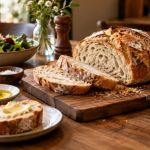 Bakery Bread Crumb Check: Freshness, Cutting, and Serving
 Bakery Cupcake Pickup: Count, Box, and Safe Transport
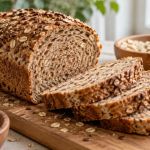 Bakery Whole-Grain Bread: Ingredients, Texture, and Freshness