
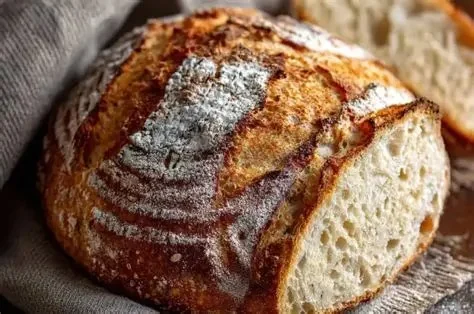
Master the Art of Baking Artisan Bread at Home
- 1-Understanding the Basics of Artisan Bread-ingredients, techniques, and why it matters
- 2-Choosing the Right Ingredients-for texture, flavor, and aroma
- 3-Preparing Your Dough-Step-by-step kneading, proofing, and fermentation guidance
- 4-Baking Techniques for Perfect Crust and Soft Interior-oven types, temperatures, and timing
- 5-Common Mistakes and How to Avoid Them-tips from experienced bakers
- 6-Real-Life Stories from Home Bakers-inspiration and practical insights
- 7-Enhancing Your Bread Experience-Flavors, tools, and next steps
1. Understanding the Basics of Artisan Bread: Ingredients, Techniques, and Why It Matters
Baking artisan bread at home is not just about mixing flour and water—it's about understanding the process, respecting fermentation, and knowing how to achieve the perfect crust and crumb. True artisan bread relies on long fermentation, careful shaping, and proper baking techniques.

Julius Sturgis Pretzel Bakery / pretzel factory lititz pa
LititzLancaster CountyPennsylvania
219 E Main St, Lititz, PA 17543, USA
1.1 The Role of Fermentation
Fermentation allows yeast to develop flavor and texture. Unlike quick breads, artisan recipes often involve slow fermentation, sometimes overnight, creating depth in flavor. Mastering this process is crucial to achieve the characteristic airy crumb and rich aroma.

L’Ami Bakery & Cafe / bakery in h mart
48-18 Northern Blvd, Long Island City, NY 11101, USA
1.2 Key Techniques
Techniques such as autolyse, stretch and fold, and proper scoring are essential. They help develop gluten structure, control oven spring, and ensure even baking. Understanding these techniques elevates your bread from ordinary to truly artisan.
2. Choosing the Right Ingredients: For Texture, Flavor, and Aroma
2.1 Flour Selection
High-quality bread flour or a mix of bread and whole wheat flour creates better gluten structure and chewiness. Some bakers also incorporate rye or spelt for unique flavors.
2.2 Water and Yeast
Water quality affects fermentation. Filtered or spring water is preferred. Choosing between active dry yeast, instant yeast, or natural sourdough starter will influence flavor and rising time.
2.3 Salt and Optional Ingredients
Salt not only adds flavor but controls yeast activity. Optional ingredients like seeds, nuts, or olives can enhance texture and taste. Precision in measuring ensures consistent results.
3. Preparing Your Dough: Step-by-Step Kneading, Proofing, and Fermentation Guidance
3.1 Mixing and Kneading
Combine ingredients and knead until the dough is smooth and elastic. Techniques like the "stretch and fold" method help develop gluten without overworking the dough.
3.2 First Proof
Allow the dough to ferment for several hours. During this stage, the dough expands and flavors develop. Keeping the environment slightly warm helps achieve optimal fermentation.
3.3 Shaping and Second Proof
Gently shape the dough to maintain gas bubbles. Let it rest for a second proof to rise further. This step ensures a soft interior while preserving structure.
4. Baking Techniques for Perfect Crust and Soft Interior: Oven Types, Temperatures, and Timing
4.1 Oven Preparation
Preheat the oven and use a baking stone or Dutch oven to replicate professional bakery conditions. Steam during the first few minutes helps form a crisp, golden crust.
4.2 Baking Times and Temperatures
Baking at high heat initially creates oven spring. Lowering the temperature after initial baking ensures the interior cooks fully without burning the crust.
4.3 Cooling and Storing
Allow bread to cool completely on a wire rack. Proper cooling enhances flavor and prevents sogginess. Store in paper or cloth to maintain texture without trapping moisture.
5. Common Mistakes and How to Avoid Them: Tips from Experienced Bakers
5.1 Under or Overproofing
Pay attention to dough texture and rise. Underproofing leads to dense bread, while overproofing can collapse structure. Experienced bakers recommend using the finger dent test to check readiness.
5.2 Inconsistent Oven Temperature
Oven hot spots can cause uneven baking. Rotate trays or use baking stones to distribute heat evenly. Professional bakers often monitor with infrared thermometers.
5.3 Using the Wrong Flour or Yeast
Flour type affects gluten strength, while yeast type controls rise. Matching ingredient choice to recipe ensures predictable results.
6. Real-Life Stories from Home Bakers: Inspiration and Practical Insights
Emily, a home baker from Seattle, shared how she struggled with sourdough for months. By adjusting fermentation time and using a Dutch oven for baking, she achieved her first loaf with a perfect crust. Stories like hers illustrate how patience and attention to detail transform bread baking into a rewarding experience.
6.1 Learning from Mistakes
Even small errors like adding too much water can change texture. Real-life experiences provide practical solutions that guide beginners toward consistent success.
7. Enhancing Your Bread Experience: Flavors, Tools, and Next Steps
7.1 Experiment with Flavors
Add herbs, spices, or cheeses to customize your bread. This experimentation helps create signature loaves that stand out.
7.2 Investing in Quality Tools
Consider high-quality baking stones, Dutch ovens, or proofing baskets. These tools replicate professional techniques at home and improve results significantly.
7.3 Next Steps
Mastering artisan bread baking is a journey. To explore the best ingredients, tools, and step-by-step guides, click here to discover our recommended products and elevate your home baking to professional standards. Embrace the art of How to Bake Bread at Home Like a True Artisan today and enjoy the satisfaction of creating bakery-quality bread from your own kitchen.






 Nagoya Bakery4.0 (25 reviews)
 The Quantum Baker0.0 (0 reviews)
 Valerio's Tropical Bake Shop4.0 (43 reviews)
 Manny's Bakeshop & Restaurant4.0 (19 reviews)
 Nanding's Bakery4.0 (368 reviews)
 Aloha Sunrise Granola5.0 (5 reviews)
 Pastry Gift Box Check: Variety, Allergens, and Transport
 Sourdough Loaf Pickup: Bake Time, Slicing, and Storage
 Bakery Celebration Cake Pickup: Size, Travel, and Timing
 Bakery Bread Storage: Crust, Moisture, and Freezing Guide
 Bakery Reservation Notes: Time, Party, Access, and Contact
 Bakery Menu Portion Chec: A Heavenly Delights Bakery Reader Guide