
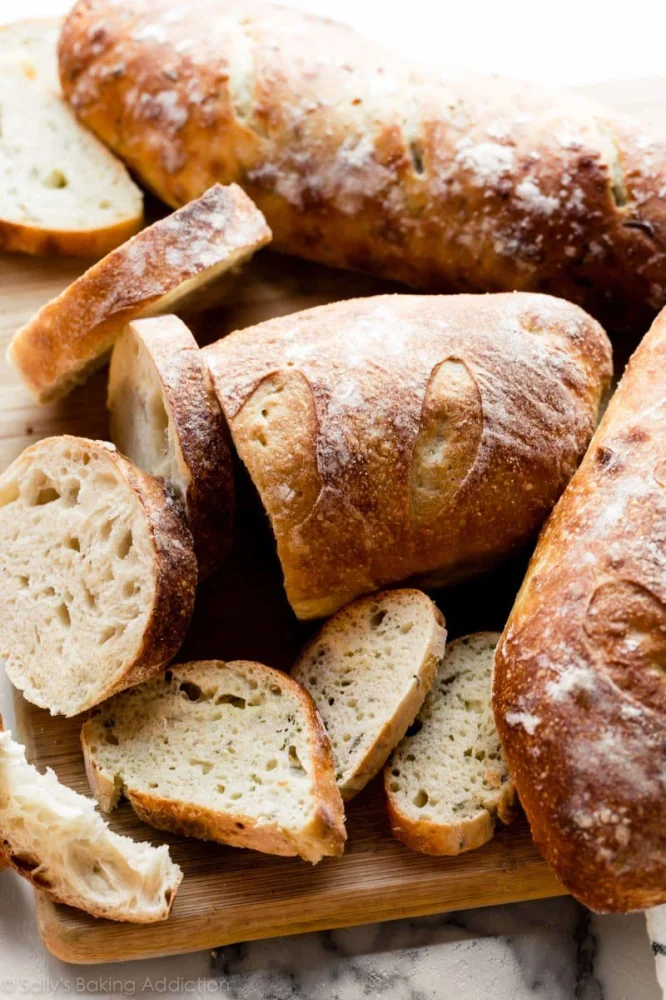
The Art of Making Homemade Artisan Bread
- What is Artisan Bread and Why is it Special?
- Key Ingredients for Artisan Bread
- Techniques for Making Perfect Artisan Bread
- Common Challenges in Making Artisan Bread
- Real-Life Examples and Tips from Experts
1. What is Artisan Bread and Why is it Special?
Artisan bread is a type of handcrafted bread made using traditional methods, with a focus on high-quality ingredients and time-intensive preparation. Unlike mass-produced breads, artisan loaves are often made with simple, natural ingredients like flour, water, salt, and yeast. The process emphasizes the art of baking, with an attention to texture, flavor, and overall quality.
What makes artisan bread special is its unique flavor and crust. The long fermentation process, which can take hours or even days, allows for a deep, rich flavor that you can't achieve with quicker methods. Additionally, artisan bread is often baked in a wood-fired oven, which contributes to its crispy crust and chewy interior.

Julius Sturgis Pretzel Bakery / pretzel factory lititz pa
LititzLancaster CountyPennsylvania
219 E Main St, Lititz, PA 17543, USA
2. Key Ingredients for Artisan Bread
To make the perfect artisan bread, you'll need a few key ingredients. Here’s a breakdown of what goes into a traditional artisan loaf:

L’Ami Bakery & Cafe / bakery in h mart
48-18 Northern Blvd, Long Island City, NY 11101, USA
1. Flour
High-quality flour is essential for the structure and flavor of artisan bread. Most recipes call for bread flour, which has a higher protein content than all-purpose flour, giving the bread more structure and chew. Whole wheat flour can also be used for a denser, more flavorful loaf.
2. Water
Water is one of the simplest yet most important ingredients in bread-making. The right amount of hydration will determine the texture of your dough. In artisan bread, water is added gradually to achieve the desired consistency for the dough.
3. Salt
Salt enhances the flavor of the bread and also controls the fermentation process. It strengthens the gluten network and helps to improve the texture of the final loaf.
4. Yeast
Yeast is the magic behind the rise of your dough. Traditional artisan bread may use wild yeast (sourdough), while others rely on commercial active dry yeast for a quicker rise. The fermentation process, whether natural or through added yeast, is key to developing the bread’s depth of flavor.
3. Techniques for Making Perfect Artisan Bread
Making artisan bread requires patience, precision, and technique. Below are some fundamental methods to help you craft the perfect loaf:
1. The Importance of Fermentation
The secret to great artisan bread lies in long fermentation. This process allows the dough to develop a complex flavor profile. For the best results, allow the dough to ferment slowly, either at room temperature or in the refrigerator overnight. This slow rise enhances the bread's flavor and texture.
2. Kneading and Shaping the Dough
After mixing your ingredients, kneading the dough is crucial for developing gluten. The more you knead, the stronger and more elastic the dough will become. Once kneaded, shape the dough into a round or oval loaf, or experiment with different shapes to achieve the desired final result.
3. The Right Baking Temperature
Artisan bread is typically baked at a high temperature, which helps achieve a crispy, golden crust. Preheat your oven to around 450°F (230°C) and use a baking stone or Dutch oven to simulate the effect of a traditional brick oven. For the best results, bake the bread for about 25-30 minutes or until it reaches a deep golden-brown color.
4. Common Challenges in Making Artisan Bread
While making artisan bread can be incredibly rewarding, there are a few common challenges that can arise during the process. Here’s how to overcome them:
1. Dough Too Sticky or Too Dry
If your dough is too sticky, it may be due to excess water or under-kneading. If it's too dry, try adding a little more water, one tablespoon at a time. Achieving the perfect dough consistency is key to making great artisan bread.
2. Poor Rise or No Rise
A poor rise could be caused by old yeast or an improper fermentation environment. Ensure your yeast is fresh, and provide the dough with a warm, draft-free environment to rise. If you're using wild yeast (sourdough), it might take longer to rise, so be patient.
3. Uneven Crust or Texture
An uneven crust can result from inconsistent oven temperature or improper baking time. Use an oven thermometer to check your temperature and consider baking the bread in a Dutch oven to help maintain heat consistency.
5. Real-Life Examples and Tips from Experts
Many bakers have perfected the art of making artisan bread over years of trial and error. For example, renowned baker Jim Lahey popularized the no-knead bread method, which simplifies the process for home bakers. By using a long fermentation period and minimal handling, anyone can create artisan-style bread in their own kitchen.
Similarly, the famous Tartine Bakery in San Francisco has influenced thousands of home bakers with their methods for making sourdough bread. Their approach to creating the perfect starter culture and mastering hydration levels is something many aspiring bakers strive to replicate.
Ready to start baking your own homemade artisan bread? For the best tools, ingredients, and expert advice, visit Heavenly Delights Bakery. We offer everything you need to take your bread-making skills to the next level.






 Nagoya Bakery4.0 (25 reviews)
 The Quantum Baker0.0 (0 reviews)
 Valerio's Tropical Bake Shop4.0 (43 reviews)
 Manny's Bakeshop & Restaurant4.0 (19 reviews)
 Nanding's Bakery4.0 (368 reviews)
 Aloha Sunrise Granola5.0 (5 reviews)
 Bakery Service Charge Check: Bill, Tips, and Group Split
 Bakery Texture Guide: A Practical US Checklist
 Bakery Cake Quote: Size, Design, Pickup, and Allergen Notes
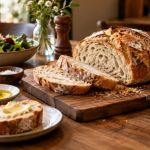 Bakery Bread Crumb Check: Freshness, Cutting, and Serving
 Bakery Cupcake Pickup: Count, Box, and Safe Transport
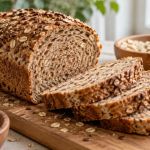 Bakery Whole-Grain Bread: Ingredients, Texture, and Freshness