
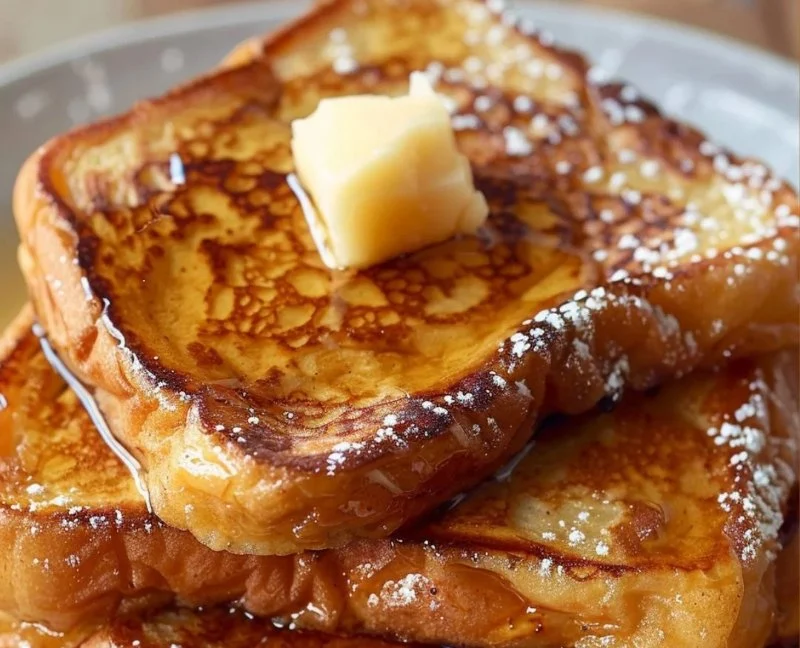
Which Bakery Loaf Turns French Toast Into a Real Brunch Favorite?
- -Why-Bakery-Bread-Makes-French-Toast-Better
- -Top-Bakery-Breads-Worth-Trying
- -How-To-Choose-The-Right-Loaf-For-Texture-And-Flavor
- -Common-Mistakes-That-Ruin-French-Toast
- -Where-To-Start-If-You-Want-The-Best-Bakery-Breads
1. Why Bakery Bread Makes French Toast Better
Anyone can make French toast with standard sandwich bread, but the difference becomes obvious the moment you switch to a proper bakery loaf. The crust has more character, the crumb has more structure, and the flavor feels fuller before you even add cinnamon, maple syrup, or butter. That is exactly why so many home cooks eventually start asking the same question: what are the best bakery breads for making delicious French toast?
The answer is not just about richness. It is about performance. A good bakery bread can soak up custard without collapsing, brown beautifully in the pan, and give you that contrast between a soft center and lightly crisp edges. That texture is what separates forgettable weekday French toast from the kind people remember after brunch.
1.1 Why texture matters more than most people think
French toast lives or dies by texture. If the bread is too thin, it turns limp. If it is too airy, it falls apart. If it is too dense, the custard stays on the surface and never really works its way in. Bakery breads usually offer a better middle ground because they are built with stronger structure and better ingredients.
1.2 Why flavor starts with the loaf itself
Many people try to fix bland French toast by adding more vanilla, more sugar, or extra toppings. That can help, but it does not solve the root problem. The loaf itself should already have character. Slight sweetness, buttery depth, eggy richness, or a hint of tang all contribute to the final result.
1.3 A small real-life lesson from weekend cooking
I once made two batches on the same morning for guests, one with ordinary sliced white bread and one with thick-cut bakery brioche. The toppings were identical. The response was not. The white bread version disappeared politely, while the brioche version started a conversation. That is when it became obvious that choosing the right bread is not a small detail. It is the foundation of the dish.

Tous Les Jours / tous les jours union turnpike
New YorkNew York CountyNew York
31 W 32nd St, New York, NY 10001, USA
2. Top Bakery Breads Worth Trying
If you are serious about finding the best bakery breads for making delicious French toast, a few loaves consistently stand out. Each brings something different to the plate, and the best choice depends on whether you want classic comfort, rich decadence, or a slightly more rustic finish.
2.1 Brioche for rich, soft, classic French toast
Brioche is often the first answer for good reason. It is buttery, slightly sweet, and tender without being weak. Because it already has an enriched dough, it almost feels designed for custard-based breakfasts. When cooked properly, brioche gives you that luxurious interior that feels soft and almost creamy while the outside turns golden and lightly crisp.
For many home cooks, brioche is the safest high-reward option. It works beautifully with berries, powdered sugar, maple syrup, or even savory additions like crisp bacon.
2.2 Challah for balance and beautiful structure
Challah is another standout. It has a rich, eggy crumb, but it is usually a little sturdier than brioche. That makes it excellent for people who want French toast that holds its shape well in the skillet. Thick slices of challah absorb custard evenly and stay tender without feeling too heavy.
There is also something visually appealing about it. Slices from a braided loaf often look more artisanal on the plate, which is one reason so many brunch spots rely on it.
2.3 Sourdough for a less sweet, more grown-up flavor
Not everyone wants French toast that tastes like dessert. Sourdough offers a different path. Its slight tang creates balance, especially when paired with sweet toppings. It is firmer, which means it can take a long soak without falling apart, and it develops a satisfying crust when pan-fried.
This is a good choice for readers who enjoy a deeper flavor and want their breakfast to feel less sugary and more refined.
2.4 Pullman loaf for neat slices and reliable results
A bakery-made Pullman loaf may not sound glamorous, but it is incredibly practical. Its uniform shape creates consistent slices, which means even cooking and a polished look. If you are cooking for a group and want every piece to come out similarly, this is one of the smartest options.
2.5 Croissant loaf and other specialty breads
Some bakeries now offer croissant loaves, milk breads, or enriched seasonal breads that work surprisingly well. These can produce extraordinary French toast, especially when you want something more indulgent. The only caution is that very delicate breads can become too soft if soaked too long.
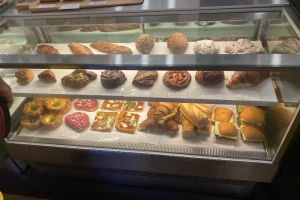
3. How To Choose The Right Loaf For Texture And Flavor
Knowing the names of good breads is helpful, but choosing the right loaf in person is where the real skill comes in. The best bakery breads for making delicious French toast usually share a few practical qualities that you can spot right away.
3.1 Look for thickness and strength
Choose a loaf that can be cut thick without crumbling. Thin slices almost always underperform. A proper French toast slice should feel substantial in your hand. That thickness gives the custard room to settle into the bread while still leaving structure intact.
3.2 Slight staleness is actually useful
This is one of those truths that surprises beginners. Bread that is one day old is often better than bread that came out of the oven an hour ago. Slightly stale bread absorbs custard more evenly and is less likely to tear. Fresh bread smells wonderful, but for French toast, a little dryness can actually be an advantage.
3.3 Consider what toppings you plan to use
1. If you want berries, whipped cream, or syrup-heavy brunch plates, brioche and challah are excellent choices.
2. If you want a more balanced plate with fruit compote or less sweetness, sourdough can be fantastic.
3. If you are feeding a crowd and want dependable slices, Pullman loaf is one of the easiest options.
3.4 Ask the bakery the right questions
Good bakeries usually know their bread well. Ask which loaf holds up best for French toast, bread pudding, or bread-based breakfasts. Staff recommendations can be surprisingly useful because they often hear the same question from other customers and know which loaves perform best at home.
4. Common Mistakes That Ruin French Toast
Even when people buy excellent bread, they can still end up with disappointing French toast. Usually, the problem is not the loaf itself. It is technique.
4.1 Using bread that is too fresh
This mistake shows up all the time. Fresh bread can become mushy in seconds. It feels counterintuitive, but letting the loaf sit overnight or drying slices slightly before soaking often creates a much better final texture.
4.2 Soaking too little or too long
If you do not soak long enough, the center stays dry and bland. If you soak too long, especially with delicate bread, the slice can break apart in the pan. The sweet spot depends on the loaf. Brioche and challah need enough time to absorb flavor, while softer specialty breads may need a shorter dip.
4.3 Cooking over the wrong heat
High heat burns the outside before the middle cooks through. Low heat can leave the bread pale and greasy. Medium to medium-low heat usually gives the best result, allowing the custard to cook gently while the outside becomes golden.
4.4 Treating all breads the same way
This is where experience helps. Sourdough, challah, brioche, and milk bread do not behave identically. The best French toast makers adjust soak time, slice thickness, and even topping choices based on the loaf they are using. That little bit of flexibility is often what creates restaurant-style results.
5. Where To Start If You Want The Best Bakery Breads
If you are ready to stop settling for average breakfasts, start with one loaf that is known to work well and build from there. Brioche is an easy first choice for most people, while challah is perfect if you want something rich but slightly sturdier. Sourdough is ideal if you prefer a less sweet and more flavorful plate.
5.1 A useful way to test breads at home
One of the smartest things you can do is a side-by-side comparison. Buy two different bakery loaves and make the same custard for both. Keep everything else identical. That kind of test quickly shows you what texture and flavor profile you actually prefer. It is simple, practical, and much more helpful than guessing from online opinions alone.
5.2 Why quality bread is worth the extra cost
Bakery bread is not always the cheapest option, but it often delivers more value. A better loaf improves texture, flavor, presentation, and the overall experience of the meal. When breakfast is the centerpiece of a weekend gathering, that upgrade feels worth it.
5.3 A final nudge for curious home cooks
The best bakery breads for making delicious French toast are not just ingredients. They are the shortcut to a breakfast that feels warm, memorable, and a little special. If you want to make your next batch better than the last one, start by choosing a loaf with real character. Learn more, explore a few bakery options near you, and pick up a bread that gives your French toast the texture and flavor it deserves. Once you taste the difference, it becomes very hard to go back.
 Walmart Bakery5.0 (1 reviews)
 Walmart Bakery5.0 (1 reviews)
 Bennison's Bakery4.0 (558 reviews)
 Fluffy Donut4.0 (465 reviews)
 Layered Cakerie4.0 (737 reviews)
 Cinnabon1.0 (3 reviews)
 How to Make Bakery-Style Croissants with a Perfect Flaky Texture
 How to Make Your Own Homemade Biscuit Mix
 Why You Should Invest in a Good Mixer for Your Home Bakery
 How to Make the Best Classic Chocolate Cake with Buttercream – Perfect Recipe
 How to Create the Perfect Donut Glaze
 How to Make the Best Homemade Cake Pops