
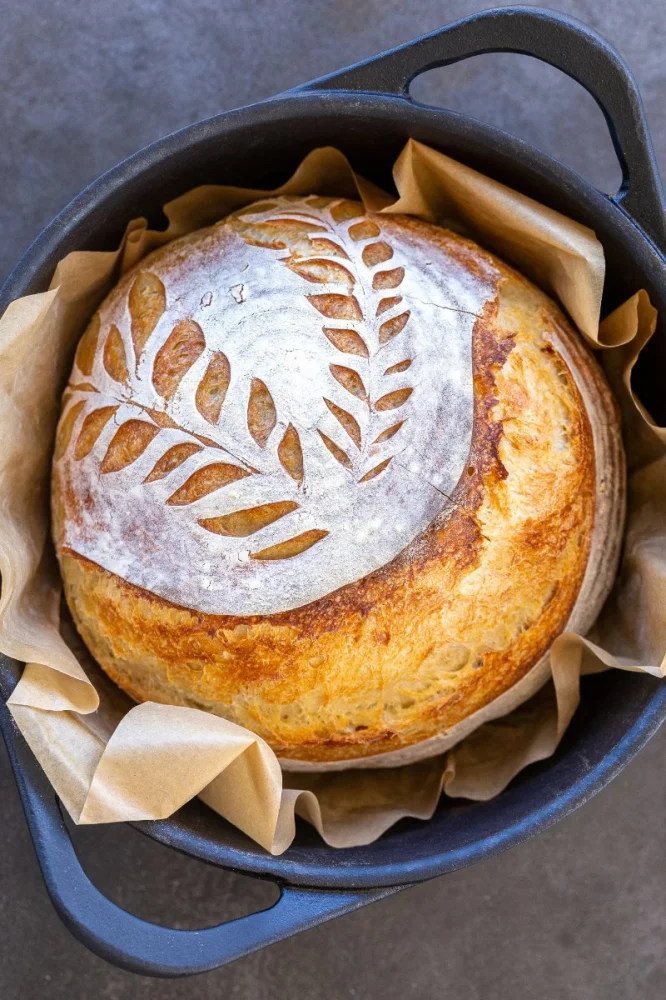
- Understanding Sourdough Bread
- Ingredients and Tools
- Step-by-Step Guide to Baking Sourdough
- Common Mistakes to Avoid
- Why Sourdough Bread Is Worth the Effort
Understanding Sourdough Bread
Sourdough bread is one of the oldest forms of leavened bread, relying on a naturally occurring yeast and bacteria fermentation process rather than commercial yeast. This gives the bread its unique flavor, texture, and longer shelf life. Unlike most bread recipes, sourdough requires a bit of patience and time to rise, but the result is a crusty, flavorful loaf that’s well worth the effort.
Before diving into the steps, it’s important to understand why sourdough is so special. The natural fermentation process in sourdough helps develop its tangy flavor, and the wild yeast used contributes to the bread’s chewy texture. Unlike fast-baking bread, sourdough undergoes a slow fermentation process that enhances its nutritional profile, digestibility, and taste. With the right recipe and a little patience, you can make a perfect loaf of sourdough at home.

Julius Sturgis Pretzel Bakery / pretzel factory lititz pa
LititzLancaster CountyPennsylvania
219 E Main St, Lititz, PA 17543, USA
Ingredients and Tools
Making sourdough bread at home requires just a few simple ingredients and tools. Here's what you’ll need:

L’Ami Bakery & Cafe / bakery in h mart
48-18 Northern Blvd, Long Island City, NY 11101, USA
Ingredients:
- 100g of sourdough starter (can be made at home or bought)
- 500g of bread flour (or a mix of whole wheat and white flour)
- 375g of water (room temperature)
- 10g of salt
- Optional: A tablespoon of honey or sugar to help with the fermentation process
Tools:
- A large mixing bowl
- A Dutch oven or baking stone for baking
- A proofing basket or bowl lined with a cloth
- A sharp knife or bread lame for scoring the dough
- A kitchen scale for accurate measurements
- A kitchen towel or plastic wrap to cover the dough
Step-by-Step Guide to Baking Sourdough
Now that you have the necessary ingredients and tools, here’s a simple, step-by-step guide to baking your own homemade sourdough bread:
1. Prepare the Starter
Your sourdough starter is the foundation of your bread. If you don’t already have one, you can easily create one at home by combining equal parts water and flour, then allowing it to ferment for several days. You should see bubbles form and a tangy aroma develop after a few days. A healthy starter is key to a good sourdough loaf!
2. Mix the Dough
Once your starter is ready, mix it with the flour, water, and salt in a large bowl. Use your hands to incorporate everything until the dough comes together. It should be slightly sticky but manageable. Let the dough rest for 30 minutes to allow the flour to fully absorb the water before kneading.
3. Knead the Dough
After the dough has rested, knead it for about 10 minutes until it becomes smooth and elastic. You can use the “stretch and fold” method if you want to avoid overworking the dough, especially if it’s too sticky. This technique helps develop gluten while keeping the dough manageable.
4. First Rise (Bulk Fermentation)
Place the dough in a lightly oiled bowl, cover it with a towel or plastic wrap, and let it rise for 4-6 hours at room temperature. Alternatively, you can refrigerate the dough for an overnight rise. During this time, the yeast will ferment, and the dough will increase in size.
5. Shape the Dough
Once the dough has doubled in size, it’s time to shape it. Turn it out onto a lightly floured surface and gently shape it into a round or oval loaf, depending on your preference. Try to handle the dough gently to maintain the air bubbles inside. Place it in a proofing basket lined with a cloth or a bowl to continue rising.
6. Second Rise
Let the shaped dough rise for another 1-2 hours until it has doubled in size again. If you want to slow down the fermentation, you can place it in the fridge for a longer rise (12-18 hours). This helps develop more flavor in the bread.
7. Bake the Sourdough
Preheat your oven to 450°F (232°C). If using a Dutch oven, preheat it as well. Once the dough has risen, carefully transfer it to the hot Dutch oven or a baking stone. Score the top of the dough with a sharp knife or bread lame to allow the bread to expand while baking.
Cover the Dutch oven with a lid (or use a baking sheet if using a stone) and bake for 20 minutes. Then, remove the lid and continue baking for another 20-30 minutes until the bread has a deep golden color and sounds hollow when tapped on the bottom.
Common Mistakes to Avoid
Even experienced bakers can make mistakes when making sourdough. Here are a few to watch out for:
1. Using an Inactive Starter
Ensure your starter is active and bubbly before using it in your dough. If your starter isn’t at its peak, your bread may not rise properly or develop the right flavor.
2. Over-Kneading the Dough
While kneading is essential for developing gluten, overworking the dough can make the bread dense and chewy. Aim for a balance of kneading and resting to allow the dough to naturally develop its structure.
3. Skipping the Scoring Step
Scoring your dough before baking is crucial. It allows the bread to expand evenly as it bakes. Skipping this step can result in unpredictable expansion and uneven baking.
Why Sourdough Bread Is Worth the Effort
Baking sourdough at home is a rewarding experience, both for the satisfaction of creating something from scratch and for the delicious results. The natural fermentation process makes sourdough bread not only flavorful but also easier to digest than regular bread. The tangy flavor, chewy texture, and crispy crust of a freshly baked sourdough loaf are unmatched by store-bought alternatives.
Furthermore, baking sourdough allows you to customize the bread to your liking. You can adjust the fermentation time, the ingredients, and even try variations such as adding herbs or seeds for extra flavor. Plus, once you get the hang of the process, baking sourdough becomes a relaxing and enjoyable ritual that will impress your family and friends.
In conclusion, with the right ingredients, tools, and a little practice, you can bake the best homemade sourdough bread right in your own kitchen. Whether you’re a beginner or an experienced baker, the joy of pulling a freshly baked, tangy sourdough loaf out of the oven is unmatched!






 Nagoya Bakery4.0 (25 reviews)
 The Quantum Baker0.0 (0 reviews)
 Valerio's Tropical Bake Shop4.0 (43 reviews)
 Manny's Bakeshop & Restaurant4.0 (19 reviews)
 Nanding's Bakery4.0 (368 reviews)
 Aloha Sunrise Granola5.0 (5 reviews)
 Bakery Service Charge Check: Bill, Tips, and Group Split
 Bakery Texture Guide: A Practical US Checklist
 Bakery Cake Quote: Size, Design, Pickup, and Allergen Notes
 Bakery Bread Crumb Check: Freshness, Cutting, and Serving
 Bakery Cupcake Pickup: Count, Box, and Safe Transport
 Bakery Whole-Grain Bread: Ingredients, Texture, and Freshness