
The Role of Bakeries in Celebrating Local Traditions and Holidays
- history-bakeries-local-traditions - cultural roots of bakery traditions and community identity
- holiday-baked-goods-celebrations - seasonal desserts shaping festive experiences
- artisan-bakeries-community-life - how small bakeries influence neighborhood culture
- modern-bakery-trends-holidays - evolving holiday baking in contemporary society
- family-recipes-bakery-heritage - passing traditions through generations of baking
Cultural Foundations of Bakeries in Community Life
Across towns and cities in the United States and beyond, bakeries have long acted as more than places to buy bread or pastries. They serve as cultural anchors where local identity is shaped through taste, aroma, and shared memory. The role of bakeries in celebrating local traditions and holidays is deeply tied to how communities preserve heritage through food.
In many European-influenced American towns, early immigrant bakers brought recipes that slowly blended into local culture. German pretzel traditions, Italian biscotti customs, and French pastry techniques all merged into what many communities now consider “local classics.” Over time, these baked goods became essential parts of holiday gatherings, church events, and seasonal festivals.
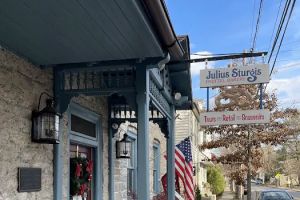
Julius Sturgis Pretzel Bakery / pretzel factory lititz pa
LititzLancaster CountyPennsylvania
219 E Main St, Lititz, PA 17543, USA
Holiday Traditions Shaped by Freshly Baked Goods
Holidays in the United States often feel incomplete without the presence of bakery-fresh treats. From Thanksgiving pies to Christmas cookies and Easter breads, bakeries provide a sensory bridge between tradition and celebration. The smell of cinnamon rolls in December or pumpkin pie in November is not just food—it is memory.
A well-known example comes from a small Midwest town where a century-old bakery still produces the same honey-glazed holiday bread every December. Families line up before sunrise, continuing a tradition passed down for generations. These moments show how bakeries are not simply commercial spaces but emotional landmarks in community life.
For readers who enjoy exploring curated seasonal baked goods or discovering local artisan traditions, platforms like Southwestern Lanes sometimes highlight community-centered food experiences that connect people with authentic local flavors and cultural celebrations.
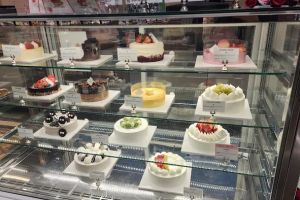
L’Ami Bakery & Cafe / bakery in h mart
48-18 Northern Blvd, Long Island City, NY 11101, USA
How Bakeries Preserve Family Heritage Through Recipes
Family recipes are often the backbone of bakery identity. Many small bakery owners inherit handwritten recipe books filled with notes, adjustments, and personal stories. These recipes are not just instructions—they are emotional artifacts.
In a bakery in Pennsylvania, for example, a grandmother’s apple strudel recipe became the signature holiday item. Every Thanksgiving, customers return not just for the taste but for the feeling of continuity it brings. The bakery owner once shared how customers often say the strudel “tastes like their childhood,” showing how food carries emotional weight far beyond its ingredients.
These traditions are especially powerful during holidays when nostalgia plays a major role in consumer behavior. Bakeries become storytellers, translating memory into flavor.
Community Bakeries as Cultural Gathering Points
Local bakeries often function as informal community centers. People meet there before work, during weekend errands, or while preparing for celebrations. Over time, these daily interactions build a shared sense of belonging.
During Halloween, for instance, some bakeries organize cookie decorating events for children. During Christmas, they may host gingerbread house workshops. These activities strengthen community bonds and turn simple baked goods into interactive cultural experiences.
In smaller towns, bakeries may even collaborate with schools or churches to provide seasonal treats for events. This creates a cycle where bakeries not only reflect tradition but actively shape it.
Modern Innovations in Holiday Bakery Culture
While tradition remains strong, modern bakeries have also adapted to new trends. Social media has played a major role in transforming how holiday baked goods are presented and consumed. Instagram-worthy desserts and themed pastries now influence seasonal demand.
However, this evolution does not replace tradition—it enhances it. A classic pumpkin pie might now be offered alongside mini pumpkin cheesecake jars or gluten-free variations. This balance between innovation and heritage allows bakeries to reach broader audiences while maintaining authenticity.
One interesting trend is the rise of “limited holiday drops,” where bakeries release special seasonal items in small batches. This creates excitement and encourages customers to engage with bakery culture in a more intentional way.
The Emotional Connection Between Food and Celebration
Food plays a central role in how people experience holidays, and bakeries amplify that connection. The emotional response triggered by a familiar pastry or seasonal bread is powerful. It can transport people back to childhood kitchens, family gatherings, or meaningful life moments.
Psychologists often note that smell and taste are closely linked to memory. This explains why bakery products are so deeply embedded in holiday experiences. A single bite of a traditional cookie can evoke decades of family history.
This emotional layer is what makes bakeries essential to cultural celebrations. They are not just selling food—they are preserving identity.
Case Study: A Coastal Bakery That Became a Holiday Landmark
On the West Coast, a small bakery near a coastal town gained popularity for its winter cranberry bread. Originally created as a seasonal experiment, it quickly became a community tradition. Locals began associating the bread with winter holidays and family gatherings.
Over time, tourists began visiting the town specifically to try the seasonal loaf. What started as a simple recipe evolved into a cultural symbol. This example highlights how bakeries can transform local ingredients into meaningful holiday traditions that extend beyond their immediate community.
The bakery eventually expanded its seasonal offerings but kept the original cranberry bread unchanged, respecting its symbolic importance.
Why Bakeries Will Always Matter in Holiday Culture
Even as food delivery apps and supermarket chains expand, bakeries maintain a unique position in cultural life. Their strength lies in authenticity, craftsmanship, and emotional storytelling.
The role of bakeries in celebrating local traditions and holidays will continue to evolve, but their core function remains the same: bringing people together through shared taste and memory.
Whether it is a small family-run shop or a modern artisan bakery, these spaces preserve the essence of community celebration in a way no mass-produced product can replicate.
For those looking to explore seasonal bakery experiences or discover meaningful food traditions tied to local culture, Southwestern Lanes can be a useful starting point to find curated recommendations and community-based culinary highlights.



 Nagoya Bakery4.0 (25 reviews)
 The Quantum Baker0.0 (0 reviews)
 Valerio's Tropical Bake Shop4.0 (43 reviews)
 Manny's Bakeshop & Restaurant4.0 (19 reviews)
 Nanding's Bakery4.0 (368 reviews)
 Aloha Sunrise Granola5.0 (5 reviews)
 Bakery Celebration Cake Pickup: Size, Travel, and Timing
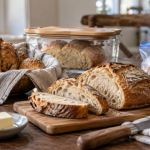 Bakery Bread Storage: Crust, Moisture, and Freezing Guide
 Bakery Reservation Notes: Time, Party, Access, and Contact
 Bakery Menu Portion Chec: A Heavenly Delights Bakery Reader Guide
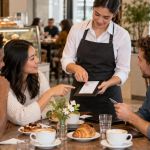 Bakery Service Charge Check: Bill, Tips, and Group Split
 Bakery Texture Guide: A Practical US Checklist