
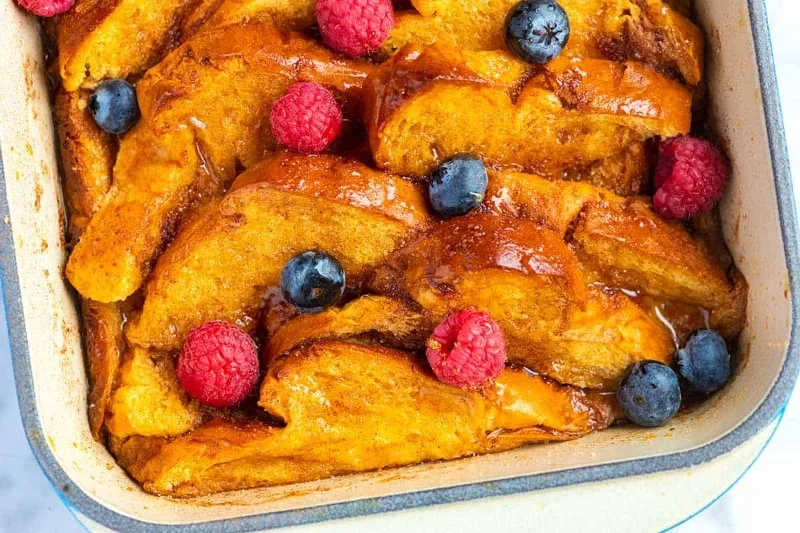
Turning Leftover Bread into Bakery-Style French Toast at Home
- bread-selection-basics - Choosing the right leftover bread for texture and flavor success
- custard-soak-method - How to build a rich egg mixture for bakery-level softness
- cooking-techniques - Pan methods that create crisp edges and soft centers
- flavor-enhancements - Cinnamon, vanilla, and creative upgrades for depth
- real-life-breakfast-story - How simple leftovers became a weekend café experience
- serving-and-upgrades - Presentation ideas and topping combinations
Why Leftover Bread Becomes the Secret to Better French Toast
Most people think stale bread is something to discard, but in reality, it is the foundation of truly bakery-style French toast. Fresh bread often becomes too soft and soggy when dipped in egg mixture, while slightly dry leftover slices act like a sponge that holds flavor without collapsing.
In many American households, the weekend morning routine often includes improvisation—what to cook quickly with what’s already in the kitchen. This is where leftover bread transforms into something unexpectedly luxurious. Instead of wasting food, you’re building texture, depth, and that café-style bite that feels indulgent without extra cost.
A small but telling example comes from a home cook in Chicago who started experimenting during a snowstorm weekend. With only sandwich bread and eggs available, she accidentally created a version so rich and fluffy that it became her family’s most requested breakfast. That kind of transformation is exactly what makes this dish special.

Julius Sturgis Pretzel Bakery / pretzel factory lititz pa
LititzLancaster CountyPennsylvania
219 E Main St, Lititz, PA 17543, USA
Choosing the Right Bread for a Bakery-Level Result
Not all bread behaves the same when turned into French toast. The structure matters more than most people realize. Thick-cut brioche, sourdough, challah, or even day-old artisan loaves create a strong foundation.

L’Ami Bakery & Cafe / bakery in h mart
48-18 Northern Blvd, Long Island City, NY 11101, USA
Understanding Texture and Absorption
Dense bread absorbs the custard slowly, which prevents sogginess. Lighter bread, on the other hand, requires careful soaking control. The goal is balance—enough absorption for flavor without losing structure.
If you’re working with standard sandwich bread, letting it sit out overnight or lightly toasting it beforehand can mimic the effect of bakery-style bread. This small adjustment significantly improves final texture.
Building the Custard That Defines Flavor Depth
The heart of French toast lies in the custard mixture. Eggs, milk, sugar, and vanilla form the base, but precision makes the difference between average and bakery-quality results.
Balancing Richness and Lightness
Too much milk creates a watery soak, while too many eggs lead to a dense texture. A balanced ratio allows the bread to hold structure while still becoming soft and creamy inside.
Adding a pinch of salt may seem insignificant, but it enhances sweetness and rounds out flavor. Cinnamon introduces warmth, while vanilla brings a bakery aroma that feels familiar yet elevated.
Soaking Technique That Prevents Soggy Results
One of the most common mistakes when making French toast is over-soaking. The goal is not to drown the bread but to allow controlled absorption.
A good method is to dip each slice for a few seconds on each side and then let it rest briefly before cooking. This resting moment allows the custard to distribute evenly through the bread’s structure.
A home cooking blogger once shared a story about serving overly soaked French toast at a brunch gathering. While the flavor was good, the texture collapsed under syrup. After adjusting soak time and bread choice, the dish became a consistent crowd favorite.
Cooking Methods That Create That Café Finish
Heat control is where home cooks either elevate or ruin their French toast. Medium heat is essential to develop a golden crust without burning the exterior before the inside cooks through.
Butter vs Oil Approach
Butter provides flavor and browning, while a small amount of oil prevents burning. Many professional kitchens combine both to achieve consistent color and taste.
Each slice should be cooked until the surface turns golden brown with slightly crisp edges. That contrast between crispy outside and custardy center is what defines bakery-style quality.
Flavor Enhancements That Change Everything
Once the base method is mastered, creativity becomes the next step. Adding citrus zest, flavored syrups, or even a splash of cream to the custard can dramatically change the profile.
Seasonal Variations
In fall, pumpkin spice blends naturally with cinnamon French toast. During summer, fresh berries and light whipped cream create a refreshing contrast. These variations keep the dish exciting year-round.
Some families even create signature versions for holidays, turning a simple breakfast into a tradition that guests remember long after the meal ends.
Real Kitchen Moments That Show Its True Appeal
A family in Texas shared how Sunday breakfasts shifted from fast cereal to homemade French toast after they realized how easy it was to use leftover bread. Their kids now participate in dipping and plating, turning cooking into a shared ritual rather than a task.
Another example comes from a college student in New York who used leftover baguette slices to recreate café-style breakfasts in a tiny apartment kitchen. The result wasn’t just food—it became a comfort routine during stressful exam weeks.
Serving Ideas That Make It Feel Like a Café Experience
Presentation plays a major role in how food is perceived. Stacking slices slightly off-center, adding powdered sugar, and finishing with fruit or syrup drizzle instantly elevates the visual appeal.
For a more indulgent version, whipped cream, caramel drizzle, or nut spreads can transform the dish into something closer to a bakery dessert than a simple breakfast.
Why This Recipe Continues to Stay Relevant
In a world where convenience foods dominate, there is still strong emotional value in turning simple ingredients into something memorable. Bakery-style French toast represents that balance between practicality and comfort.
It is affordable, flexible, and forgiving—qualities that make it perfect for both beginners and experienced home cooks. More importantly, it encourages creativity with ingredients that might otherwise go to waste.
Bringing It All Together in Your Own Kitchen
Once you understand the basics—bread selection, custard balance, soaking control, and cooking technique—you can consistently recreate restaurant-quality results at home. The real magic lies in experimentation and personal preference.
If you want to explore more breakfast inspirations, ingredient pairings, or upgraded cooking techniques, platforms like CarpetHub offer curated ideas and product suggestions that help elevate everyday meals into something more memorable.
Now is the perfect time to revisit what’s in your kitchen, grab that leftover bread, and turn it into something that feels like it came straight from a bakery counter. For more ideas and upgraded recipes, explore further and discover how small changes can transform your entire breakfast experience.






 Nagoya Bakery4.0 (25 reviews)
 The Quantum Baker0.0 (0 reviews)
 Valerio's Tropical Bake Shop4.0 (43 reviews)
 Manny's Bakeshop & Restaurant4.0 (19 reviews)
 Nanding's Bakery4.0 (368 reviews)
 Aloha Sunrise Granola5.0 (5 reviews)
 Bakery Celebration Cake Pickup: Size, Travel, and Timing
 Bakery Bread Storage: Crust, Moisture, and Freezing Guide
 Bakery Reservation Notes: Time, Party, Access, and Contact
 Bakery Menu Portion Chec: A Heavenly Delights Bakery Reader Guide
 Bakery Service Charge Check: Bill, Tips, and Group Split
 Bakery Texture Guide: A Practical US Checklist