
- 1- The Rise of Low-Sugar Bakery Products
- 2- Health Benefits of Low-Sugar Options
- 3- Popular Sugar Alternatives in Baking
- 4- Case Study: A Bakery's Shift to Low-Sugar Offerings
- 5- What the Future Holds for Low-Sugar Bakery Trends
1- The Rise of Low-Sugar Bakery Products
In recent years, more and more bakeries are moving towards offering low-sugar options, driven by growing consumer demand for healthier alternatives. As awareness of the health risks associated with high sugar consumption increases, many customers are seeking out baked goods that cater to their dietary needs, without compromising on taste. This shift is evident in everything from classic pastries to new dessert innovations.
Many bakeries are embracing this trend, introducing sugar-free or low-sugar treats in response to a broader movement towards healthier eating. For bakeries, this change not only aligns with consumer preferences but also opens up a new market for health-conscious individuals who still want to enjoy their favorite desserts.
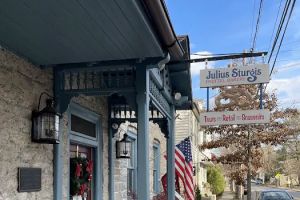
Julius Sturgis Pretzel Bakery / pretzel factory lititz pa
LititzLancaster CountyPennsylvania
219 E Main St, Lititz, PA 17543, USA
2- Health Benefits of Low-Sugar Options
The transition to low-sugar baked goods comes with numerous health benefits, both for consumers and for businesses that choose to focus on this niche. Here are some of the key benefits of low-sugar options:
- Weight Management: Reducing sugar intake can help control calorie consumption, making it easier for people to manage their weight. With fewer empty calories from sugar, customers can enjoy baked goods without the guilt.
- Reduced Risk of Chronic Diseases: Excess sugar consumption has been linked to conditions like diabetes, heart disease, and high blood pressure. Offering low-sugar products allows bakeries to cater to customers looking to reduce their risk of these conditions.
- Better Blood Sugar Control: For individuals with diabetes or those at risk, low-sugar baked goods can help maintain stable blood sugar levels, preventing harmful spikes and crashes.
- Improved Oral Health: Excessive sugar is a major cause of tooth decay. By offering low-sugar options, bakeries can contribute to better oral health for their customers.
3- Popular Sugar Alternatives in Baking
One of the main challenges for bakeries moving towards low-sugar options is finding suitable substitutes that mimic the sweetness and texture of traditional sugar. Fortunately, there are several sugar alternatives that are becoming increasingly popular in the baking world:
- Stevia: A natural, zero-calorie sweetener that comes from the leaves of the stevia plant. It’s much sweeter than sugar, so only a small amount is needed in recipes.
- Monk Fruit Sweetener: Derived from the monk fruit, this sweetener is gaining popularity for its natural sweetness and lack of calories. It also doesn’t cause blood sugar spikes, making it ideal for people with diabetes.
- Erythritol: A sugar alcohol that is low in calories and does not raise blood sugar levels. It’s often used in combination with other sweeteners to improve taste and texture in baked goods.
- Xylitol: Another sugar alcohol that is often used in sugar-free baking. While it has a similar taste and texture to sugar, it has fewer calories and a lower glycemic index.
- Applesauce and Pureed Fruits: Some bakeries are turning to natural fruit-based sweeteners, like applesauce or pureed bananas, to add sweetness while reducing added sugar. These options also provide added nutrients like fiber and vitamins.
4- Case Study: A Bakery's Shift to Low-Sugar Offerings
One example of a bakery embracing the low-sugar trend is Sweet Delight Bakery in San Francisco. Known for its traditional pastries, Sweet Delight faced increasing customer requests for healthier alternatives. They decided to experiment with low-sugar recipes and found great success, particularly with their sugar-free lemon bars and low-sugar chocolate chip cookies.
By using natural sweeteners like monk fruit and stevia, the bakery was able to reduce sugar content by 30% without sacrificing flavor or texture. Their shift not only attracted health-conscious customers but also earned them recognition in the local press as a leader in healthy baking options. The success of this initiative helped them expand their low-sugar offerings, eventually making them a staple in their product line.
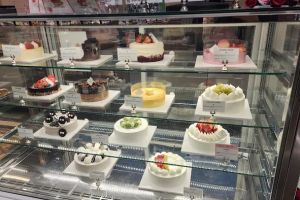
L’Ami Bakery & Cafe / bakery in h mart
48-18 Northern Blvd, Long Island City, NY 11101, USA
5- What the Future Holds for Low-Sugar Bakery Trends
The demand for low-sugar baked goods is expected to grow as consumers continue to prioritize health and wellness. This trend is likely to evolve with more innovations in sugar alternatives and baking techniques, allowing bakeries to offer an even wider variety of delicious, healthier treats.
Additionally, as awareness of sugar’s impact on health increases, more bakeries are expected to join the movement towards low-sugar options, providing more choices for customers seeking healthier alternatives. The future of baking will likely see a balance between indulgence and nutrition, where customers can enjoy their favorite baked goods with less guilt and better health benefits.





 Nagoya Bakery4.0 (25 reviews)
 The Quantum Baker0.0 (0 reviews)
 Valerio's Tropical Bake Shop4.0 (43 reviews)
 Manny's Bakeshop & Restaurant4.0 (19 reviews)
 Nanding's Bakery4.0 (368 reviews)
 Aloha Sunrise Granola5.0 (5 reviews)
 Bakery Custom Cake Handoff: Design, Allergens, and Pickup
 Bread Freezing Plan: Slicing, Wrapping, and Thawing
 Pastry Gift Box Check: Variety, Allergens, and Transport
 Sourdough Loaf Pickup: Bake Time, Slicing, and Storage
 Bakery Celebration Cake Pickup: Size, Travel, and Timing
 Bakery Bread Storage: Crust, Moisture, and Freezing Guide