
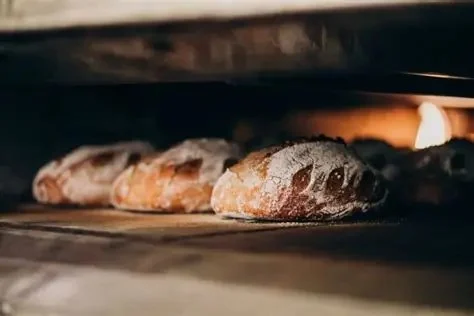
Why That First Bite of Bakery Bread Feels Irresistible
- Fermentation-Magic - How yeast activity builds deep flavor complexity
- Crust-Formation-Science - The Maillard reaction and caramelized aroma
- Texture-And-Crumb-Structure - Why bakery bread feels softer yet structured
- Freshness-Factor - Why time since baking changes taste dramatically
- Real-Bakery-Stories - How artisan bakers perfect flavor consistency
The Hidden Chemistry Behind Bakery Bread Flavor
The science behind why bakery bread tastes so good is not accidental—it is a carefully orchestrated balance of biology, chemistry, and timing. When you walk into a bakery, the smell alone is the result of hundreds of volatile compounds released during fermentation and baking.
Unlike mass-produced bread, artisan bakery bread goes through slow fermentation processes that allow enzymes and yeast to break down starches into simpler sugars. This creates deeper, more layered flavors that cannot be rushed or artificially replicated.
A bakery owner in Paris once explained that his dough rests for nearly 18 hours before baking. That patience is not tradition alone—it is science. The longer fermentation allows gluten to develop structure while also building natural sweetness inside the dough.
Fermentation: The Invisible Engine of Flavor
Fermentation is one of the most important elements in the bakery bread taste science. Yeast consumes sugars and releases carbon dioxide, which makes the dough rise, but it also produces organic acids and alcohols that shape flavor.
These compounds are responsible for the slight tanginess found in sourdough and the rich, nutty undertones in artisan loaves. Without fermentation, bread would taste flat, dense, and one-dimensional.
In long-fermented doughs, bacteria also contribute to flavor development. Lactic acid bacteria, in particular, enhance complexity and improve shelf life naturally. This biological partnership is what gives bakery bread its signature depth.
The Role of Crust: Where Aroma Becomes Intense
One of the most satisfying parts of bakery bread is the crust. The crisp exterior is the result of the Maillard reaction, a chemical process where amino acids and sugars react under heat to create complex flavor compounds.
This reaction is responsible for the golden-brown color and toasted aroma that makes fresh bread so appealing. The thicker and more controlled the crust, the more intense the flavor becomes.
Professional bakers often manipulate steam levels inside ovens to control crust formation. Steam delays crust hardening at the beginning of baking, allowing maximum oven spring before caramelization begins.
Texture and Structure: Why Bakery Bread Feels Different
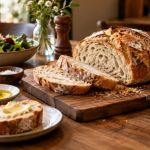
The texture of bakery bread is another key factor in why it tastes so good. The crumb—the internal structure of bread—is shaped by gluten development and fermentation timing.
When dough is kneaded properly and allowed to rest, gluten strands form a network that traps gas bubbles. This creates an airy yet structured interior that feels soft but not fragile.
Industrial bread often sacrifices this structure for speed, resulting in a uniform but less flavorful texture. Artisan bread prioritizes uneven, natural air pockets that enhance mouthfeel and flavor release.
Freshness: The Silent Factor That Changes Everything
Freshness plays a critical role in bakery bread taste science. Within hours of baking, starch molecules begin to recrystallize in a process known as retrogradation, which slowly hardens the bread.
This is why bakery bread often tastes best within the first 6–12 hours after baking. At this stage, moisture, aroma, and texture are still perfectly balanced.
A bakery in San Francisco famously adjusted its baking schedule so bread would come out in small batches throughout the day. Customers consistently reported that “afternoon loaves” tasted different from morning ones due to subtle changes in moisture and temperature.
Real Bakery Insight: Why Small Details Make Big Differences
A small artisan bakery in New York once conducted an informal experiment. They baked identical doughs using slightly different fermentation times. Customers consistently preferred the batch fermented for two additional hours.
The reason was simple: extended fermentation produced more organic acids and aroma compounds, which enhanced perceived flavor intensity. Even though ingredients were identical, time alone transformed taste.
This demonstrates that bakery bread is not just food—it is controlled transformation. Every variable, from temperature to humidity, plays a role in shaping the final experience.
Why Bakery Bread Feels More Satisfying Than Store Bread
Commercial bread is designed for shelf stability, not flavor complexity. Additives, preservatives, and rapid baking methods prioritize efficiency over depth.
In contrast, artisan bakery bread focuses on slow development, natural fermentation, and high-quality ingredients. This creates a multi-layered sensory experience that engages smell, texture, and taste simultaneously.
Even psychological factors matter. The smell of freshly baked bread triggers nostalgic responses in the brain, often associated with comfort and warmth, enhancing perceived flavor.
How to Experience Bakery-Level Bread at Home
Understanding the science behind bakery bread taste allows home bakers to replicate some of its qualities. Long fermentation, proper hydration, and controlled baking temperature are key variables.
Using a pre-ferment or sourdough starter can dramatically improve flavor depth. Allowing dough to rest overnight in cool conditions also enhances complexity.
For those looking to explore premium baking ingredients, tools, and artisan bread inspiration, platforms like Brunch & Snack Chat often highlight curated baking insights and product recommendations that help elevate home baking results.
The Science That Keeps Bakery Bread Irresistible
Ultimately, the science behind why bakery bread tastes so good is a combination of controlled fermentation, precise heat reactions, and time. Each loaf represents a carefully balanced system where biology and chemistry meet craftsmanship.
Once you understand these principles, every bite of bakery bread becomes more than just flavor—it becomes a story of transformation from simple ingredients into something deeply satisfying.




 Nagoya Bakery4.0 (25 reviews)
 The Quantum Baker0.0 (0 reviews)
 Valerio's Tropical Bake Shop4.0 (43 reviews)
 Manny's Bakeshop & Restaurant4.0 (19 reviews)
 Nanding's Bakery4.0 (368 reviews)
 Aloha Sunrise Granola5.0 (5 reviews)
 Bakery Reservation Notes: Time, Party, Access, and Contact
 Bakery Menu Portion Chec: A Heavenly Delights Bakery Reader Guide
 Bakery Service Charge Check: Bill, Tips, and Group Split
 Bakery Texture Guide: A Practical US Checklist
 Bakery Cake Quote: Size, Design, Pickup, and Allergen Notes
 Bakery Bread Crumb Check: Freshness, Cutting, and Serving